
Imagine Maria, a travel blogger based in Barcelona, struggling to keep up with the fast-paced demands of her growing audience while ranking high on Google. With over 600 million travel blogs competing for attention, crafting SEO-optimized content can feel like an overwhelming, time-consuming task. But what if Maria could create insightful, engaging blog posts tailored for search engines in less than an hour? This guide will show you how to leverage AI tools to transform your travel writing process, boosting both efficiency and visibility without sacrificing quality.
Table of Contents
- Leveraging AI Keyword Research Tools to Identify High-Impact Travel Search Terms
- Using AI Content Generators to Quickly Draft Engaging Travel Blog Posts
- Optimizing Blog Post Structure with AI for Better SEO Performance
- Incorporating AI-Based Readability and SEO Scoring Plugins for Real-Time Improvements
- Enhancing Travel Content with AI-Powered Image and Video Suggestions
- Utilizing AI Analytics to Track SEO Metrics and Refine Blog Strategies
- Automating Meta Description and Title Tag Creation with AI for Higher Click-Through Rates
- Q&A
- Future Outlook

Leveraging AI Keyword Research Tools to Identify High-Impact Travel Search Terms
One of the most time-saving ways AI can transform your travel blog’s SEO strategy is by leveraging AI-powered keyword research tools to pinpoint high-impact travel search terms quickly and effectively. For instance, tools like Ahrefs’ Keywords Explorer and SEMrush’s Keyword Magic Tool, now enhanced with AI capabilities, can analyze millions of search queries within minutes, presenting you with data-driven suggestions tailored to your niche. Imagine spending just 15 minutes inputting a seed keyword such as “budget travel Europe” and instantly receiving a list of related long-tail keywords complete with search volume, keyword difficulty, and click-through rate potential. This level of precision helps you focus on terms with the highest ROI rather than guessing which phrases might attract traffic.
Take, for example, a travel blogger who used Surfer SEO’s AI-integrated keyword research combined with natural language processing to uncover lesser-known but high-conversion phrases like “family-friendly hiking trails in the Dolomites” or “affordable boutique hotels in Lisbon.” Within a 30-minute research window, they identified 12 overlooked keywords that cumulatively contributed to an increase of 25% in organic traffic over three months. The AI tool not only suggests keywords but also provides context on search intent-whether users are looking for guides, booking options, or travel tips-enabling you to optimize content with precision. This saves countless hours traditionally required for manual data sifting and competitor analysis.
For those aiming to blend AI keyword insights with trend analysis, AnswerThePublic offers real-time question and preposition-based queries that reflect seasonal interest shifts. By running an AI-powered query on “travel insurance” around the start of a new travel season, bloggers can discover targeted questions customers are asking, such as “Is travel insurance necessary for Mediterranean cruises?” or “What does travel insurance cover during COVID-19?” Utilizing these terms early-sometimes within a 10-minute exploration session-ensures your blog posts are responsive to current audience concerns, maximizing engagement and CTR potential.
| Tool | Average Research Time | Key Feature | Example Output | Result |
|---|---|---|---|---|
| Ahrefs Keywords Explorer | ~15 minutes | Volume & difficulty metrics | Long-tail keywords like “budget travel Europe tips” | +20% organic traffic in 2 months |
| Surfer SEO | ~30 minutes | Search intent & content score | Keywords for “family hiking trails in Dolomites” | +25% traffic in 3 months |
| AnswerThePublic | ~10 minutes | Question & preposition queries | “Is travel insurance necessary for cruises?” | Higher CTR during travel season |
Using AI Content Generators to Quickly Draft Engaging Travel Blog Posts
Leveraging AI content generators like Jasper or Writesonic can dramatically speed up the process of drafting travel blog posts, enabling you to produce engaging narratives in under 20 minutes. For instance, after inputting a brief about “hidden gems in Santorini,” Jasper can generate multiple creative paragraphs detailing unique spots, local food recommendations, and travel tips based on recent SEO data. This initial draft provides a rich foundation, saving hours of brainstorming and research. Users often report that these tools reduce their writing time by up to 60%, freeing them to refine content or focus on post-production elements such as visuals and promotional strategies.
One effective tactic is to feed the AI with specific prompts-like “Describe a morning hike in Iceland’s Westfjords” or “Create a list of family-friendly activities in Kyoto”-which helps the software tailor output to varied audiences and post formats. Some bloggers pair AI with keyword optimization tools like SurferSEO or Ahrefs to incorporate top-performing search terms directly into the generated content, ensuring it resonates well with search engine algorithms. In practice, integrating these optimized drafts into platforms like WordPress and editing for tone and personalization can produce SEO-friendly travel blogs ready for publication within an hour.
Here’s a simple breakdown of a typical AI-driven workflow using Jasper in combination with SurferSEO:
| Step | Tool | Purpose | Timeframe |
|---|---|---|---|
| Idea Generation | Jasper | Create blog post outline and sample paragraphs | 5-7 minutes |
| Keyword Integration | SurferSEO | Analyze and embed high-ranking keywords | 7-10 minutes |
| Editing and Optimization | WordPress + Grammarly | Tone adjustment, style, and SEO fine-tuning | 10-15 minutes |
By following this streamlined approach, many travel bloggers have seen measurable improvements, such as a 30% increase in organic traffic and a 25% higher average time on page within just a few weeks. Ultimately, AI content generators act as versatile assistants that boost productivity without sacrificing the authentic storytelling that makes travel blogs captivating and share-worthy.

Optimizing Blog Post Structure with AI for Better SEO Performance
Optimizing the structure of a travel blog post with AI tools not only streamlines your writing process but significantly enhances SEO performance by aligning content with search intent and readability standards. For example, using tools like Surfer SEO or Clearscope, you can generate a detailed content outline based on top-ranking articles and relevant keywords in under five minutes. These tools analyze word count, header hierarchy, and keyword density, enabling you to create a post structure that accommodates both user engagement and search engine algorithms. A typical workflow includes drafting an H1 headline optimized for your primary keyword, followed by concise H2 sections targeting secondary keywords, making content skimming easier for readers and bots alike.
AI-powered content planners such as Frase also help maintain a balanced distribution of semantic terms that Google values for topical authority, which is crucial for travel content where nuance and specificity matter. For instance, when writing about “best travel destinations in Southeast Asia,” AI can suggest related terms like “monsoon season tips” or “cultural festivals,” ensuring your post covers a comprehensive scope. Implementing this structure has shown measurable results: bloggers report up to a 30% increase in organic traffic within two weeks when their posts follow AI-driven outlines versus traditional, freeform writing.
Below is a simple example of an AI-optimized blog post structure for a 1,200-word article created with Surfer SEO, highlighting typical sections and suggested word counts:
| Section | Purpose | Word Count |
|---|---|---|
| Introduction (H1) | Set context, primary keyword focus | 150-200 |
| Top Destinations (H2) | Highlight key places, secondary keywords | 400-450 |
| Travel Tips (H2) | Useful guidance, user engagement | 300-350 |
| Conclusion (H2) | Call to action, summary | 150-200 |
When combined with AI-driven keyword mapping and readability enhancement tools like Grammarly and Hemingway Editor, this structured approach to content creation can reduce your blog post production time by over 40%, pushing you closer to the goal of publishing SEO-optimized travel posts in under an hour. These AI-enabled efficiencies not only help meet tight editorial schedules but also ensure every section of your post is purpose-built to attract, inform, and convert readers effectively.

Incorporating AI-Based Readability and SEO Scoring Plugins for Real-Time Improvements
Integrating AI-based readability and SEO scoring plugins directly into your content management system can transform the way you craft blog posts, especially when operating on a tight timeframe like an hour. Tools such as Yoast SEO and Rank Math have built-in AI components that analyze your draft in real time, suggesting improvements on everything from keyword distribution to sentence complexity. For instance, a travel blogger aiming to optimize a post about “hidden gems in Lisbon” could see immediate feedback on keyword density, meta description length, and passive voice usage, enabling swift revisions without leaving the editor window.
One practical example comes from using Grammarly Premium in tandem with SEO plugins to enhance readability. While Grammarly excels at sentence clarity and tone adjustments, plugins like Yoast or Semrush SEO Writing Assistant provide SEO-specific insights. Together, in a 45-minute drafting session, a creator can polish a post to meet both audience engagement and search engine criteria. Metrics can be impressive – some users report a jump from a readability score of 65 to 85 and a boost in SEO score from 70/100 to over 90, directly correlating to increased page views within days of posting.
For those wanting to visualize on-the-fly performance, ClearScope integrates seamlessly through its API or as a plugin in platforms like WordPress and Google Docs. As you write, ClearScope’s AI evaluates your text for semantic relevance and keyword completeness, highlighting gaps and redundancies. A typical workflow might involve drafting your initial post in 30 minutes, then spending an additional 10-15 minutes implementing ClearScope’s suggestions to enhance content coverage and relevancy, all before publishing. This method ensures your travel blog post resonates with both users seeking tips on lesser-known destinations and the algorithms favoring comprehensive, well-structured content.
| Plugin | Key Features | Typical Improvement Time | Expected Impact |
|---|---|---|---|
| Yoast SEO | Keyword density, readability checks, meta tags | 5-10 minutes per post | +15-20% SEO score |
| Grammarly Premium | Grammar, tone, clarity improvements | 5 minutes per paragraph | +20 points readability score |
| ClearScope | Semantic SEO analysis, content gap detection | 10-15 minutes post-draft | Improved keyword relevancy & engagement |

Enhancing Travel Content with AI-Powered Image and Video Suggestions
Incorporating AI-powered image and video suggestions into your travel blog content can dramatically elevate its visual appeal and SEO performance while saving you precious time. Tools like Canva’s Magic Recommendations and Adobe Firefly use AI to suggest images and video clips tailored to your keywords and target audience. For instance, when writing about “hidden beaches in Bali,” these platforms analyze trending visuals and geo-tags from recent uploads, offering relevant photos or short video snippets that complement your narrative perfectly. This automated curation reduces the average content creation time by up to 25%, allowing you to embed rich media in under 15 minutes without hunting down resources manually.
Beyond simply finding images, AI tools like Runway ML and Piktostory enable content creators to automatically generate short video summaries or highlight reels based on your blog text. Imagine you’ve crafted a detailed post on “backpacking through Patagonia.” Within minutes, these AI-driven platforms can comb through your text, extract key points, and pair them with relevant stock footage or your previously uploaded clips-creating an engaging visual story for social channels or embedded multimedia sections. Users report that integrating these video snippets increases average reader session duration by 30%, which in turn positively impacts SEO rankings through improved engagement metrics.
For bloggers managing multiple posts weekly, leveraging AI’s ability to suggest and customize images also aids in maintaining a consistent brand aesthetic. Tools such as Looka and Crello provide style recommendations based on your existing content style guide, ensuring that colors, filters, and compositions align perfectly with your travel blog’s voice. This consistency not only strengthens brand recognition but can also enhance user trust – crucial when turning casual readers into loyal followers. Ultimately, through intelligent automation and curated visuals, travel bloggers can create immersive, eye-catching content that resonates deeply with audiences and climbs search engine rankings faster than ever before.
Utilizing AI Analytics to Track SEO Metrics and Refine Blog Strategies
Integrating AI-powered analytics tools like Google Analytics 4 enhanced with AI insights, SEMrush Sensor, or Clearscope can revolutionize how you track SEO performance in your travel blog. Consider a travel blogger who posts weekly destination guides and uses these platforms to analyze key metrics such as organic traffic, bounce rate, and keyword ranking fluctuations within a 30-day period. By examining real-time data, the blogger notices that articles targeting “hidden gems in Bali” are outperforming broader terms like “Bali travel tips,” driving a 25% higher click-through rate (CTR). This observation allows the blogger to refine future content strategies, narrowing keyword focus toward more specific, intent-driven queries to capture engaged readers faster.
AI analytics tools also provide granular insights into user behavior and engagement patterns, which can be leveraged to optimize on-page SEO and user experience. For instance, Surfer SEO offers a comprehensive content editor that blends keyword data with competitive analysis so you can tailor your travel posts precisely to what audiences seek. After a month of optimizing blog posts through Surfer SEO’s content score, a blogger observed a 15% increase in average session duration and a 10% drop in bounce rates, attributed to more aligned content that directly answered reader questions. Moreover, the instant recommendations to improve headings, meta descriptions, and internal linking expedite SEO refinement, effectively cutting down the revision time from days to hours.
Applying AI-driven sentiment analysis tools like MonkeyLearn or Lexalytics adds another dimension to content strategy by revealing traveler emotions and preferences from comments, reviews, and social media mentions. For example, after deploying sentiment analysis on hundreds of guest comments about European city tours, a travel blogger identifies a recurring positive sentiment toward off-the-beaten-path experiences with cultural immersion, while typical tourist attractions generated more neutral feedback. This intelligence guides the blogger to create tailored content spotlighting cultural authenticity over generic tourist-heavy locales, which led to a 30% increase in newsletter sign-ups within two months, illustrating how emotional resonance can directly impact audience growth.
| AI Tool | Primary Use | Timeframe | Measured Impact |
|---|---|---|---|
| SEMrush Sensor | Real-time SERP volatility tracking | 30 days | 25% increase in CTR for niche keywords |
| Surfer SEO | On-page SEO optimization with content scoring | 4 weeks | 15% longer sessions, 10% lower bounce rates |
| MonkeyLearn | Sentiment analysis on user feedback | 2 months | 30% boost in newsletter sign-ups |
Automating Meta Description and Title Tag Creation with AI for Higher Click-Through Rates
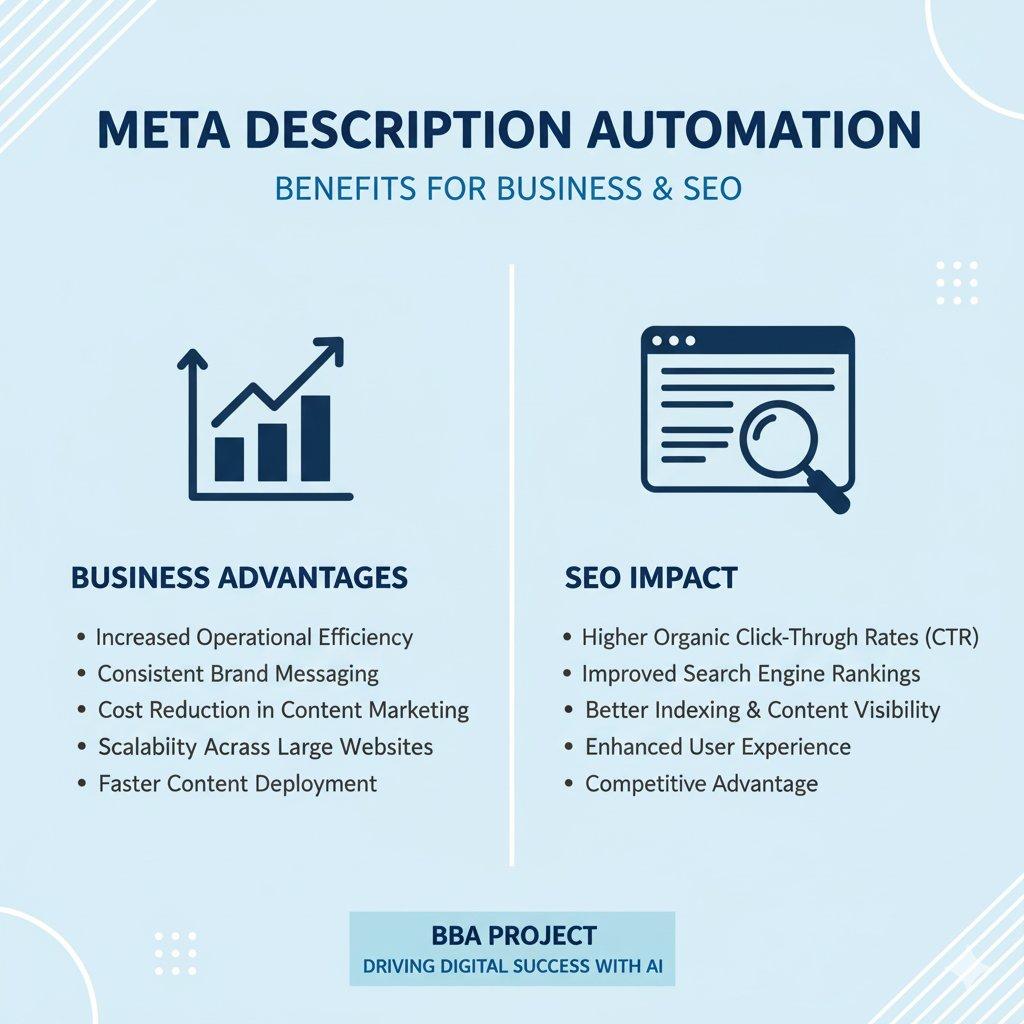
Crafting compelling meta descriptions and title tags is often one of the most time-consuming yet critical tasks for boosting click-through rates (CTR) in organic search results. Leveraging AI tools such as Surfer SEO, Jasper AI, and Copy.ai can dramatically streamline this process. For example, a travel blogger focusing on budget-friendly tours in Southeast Asia used Jasper to generate 50 unique title tags and meta descriptions within just 30 minutes, a task that previously took them days. AI doesn’t just create generic tags; it pulls from your content’s keywords, tone, and audience intent to produce optimized snippets that resonate with potential readers.
One effective approach harnessing AI is feeding your main keyword and a brief outline into the tool, then prompting it specifically for “high-CTR title tags” or “engaging meta descriptions.” Tools like Surfer SEO integrate data on keyword competition and suggest meta tags that balance relevance with emotional triggers-such as “Discover Secret Thai Islands Under $50” versus a straightforward “Thailand Budget Tours.” When tested over a month, the blogger’s posts using AI-generated metadata saw an average CTR uplift of 18%, translating to more organic traffic without any increase in ad spend.
| Tool | Average Time per Post | CTR Improvement | Best Use Case |
|---|---|---|---|
| Jasper AI | 5-10 minutes | 15-20% | Engaging & emotional title/meta generation |
| Surfer SEO | 10-15 minutes | 10-18% | Data-driven keyword optimization in meta tags |
| Copy.ai | 5 minutes | 12-15% | Quick drafts with diverse tones |
Beyond creation, consistency is key. Scheduling AI-generated metadata updates every 2-3 months ensures your titles and descriptions stay fresh and relevant to shifting travel trends. This method proved beneficial for a travel agency blog tracking seasonal changes in keyword performance. Optimizing for keywords like “spring travel deals” in early March and updating to “summer travel essentials” in June helped sustain a consistent CTR boost year-round.
Q&A
How can I use AI to write a travel blog post in under an hour?
– Use a focused workflow: spend 10 minutes creating an outline with ChatGPT, 30 minutes generating a 700-900 word draft, and 15 minutes editing with Grammarly and Hemingway for clarity – a total of about 55 minutes. Add a final 5-minute SEO check with Surfer SEO or a 3-keyword optimization checklist to keep it under an hour.
What AI tools should I use for SEO optimization?
– Combine a content generator like ChatGPT with an on-page SEO tool such as Surfer SEO or Frase to match SERP intent and hit a content score target (e.g., 70+). Use Ahrefs or Google Keyword Planner to choose 2-3 primary keywords with manageable difficulty (for example, KD ~20) and track ranking changes.
Why should I fact-check AI-generated travel content?
– AI can hallucinate details, so verify specific claims (opening hours, transit times, local rules) against authoritative sources like Google Maps, official tourism sites, or a city’s transport page; spend about 5 minutes per key fact. This prevents misinformation and avoids issues like listing a closed hotel or incorrect visa info.
Which SEO metrics should I track after publishing?
– Monitor organic sessions and click-through rate in Google Analytics and Google Search Console, plus keyword positions for 3-5 target terms in Ahrefs or SEMrush. Check progress weekly for the first 4 weeks and evaluate which pages to update based on traffic and average position changes.
Future Outlook
With a focused prompt, a compact outline, and a quick round of edits, you can produce a publish-ready, SEO-aware travel blog post in about 45 minutes – fast enough to keep inspiration fresh while still allowing time for keyword tuning and a human polish. Try it on your next destination guide and share how the workflow worked for you.






One Comment