
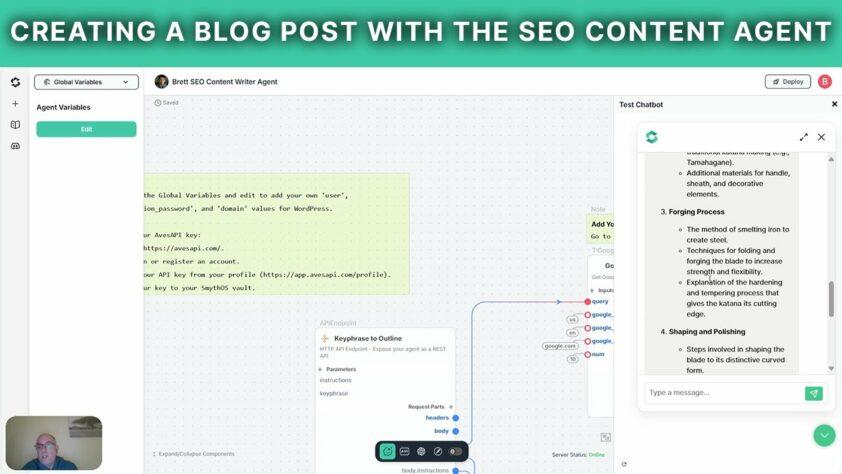
In the ever-evolving landscape of digital content, the quest for fresh, relevant ideas is constant. Q&A forums, bustling with curiosity and diverse perspectives, offer a treasure trove of insights waiting to be transformed into engaging blog posts. Leveraging artificial intelligence to tap into this rich resource not only streamlines the content creation process but also ensures that the topics resonate with real user interests. In this article, we’ll explore how AI can bridge the gap between spontaneous forum conversations and polished blog content, turning scattered questions and answers into coherent, compelling narratives.
Table of Contents
- Harnessing AI to Extract Valuable Insights from Q&A Forums
- Transforming Forum Discussions into Engaging Blog Content with AI
- Best Practices for Using AI to Ensure Accuracy and Authenticity in Blog Posts
- Q&A
- Future Outlook
Harnessing AI to Extract Valuable Insights from Q&A Forums
By leveraging AI algorithms, bloggers can seamlessly sift through vast amounts of user-generated content, transforming raw discussions into coherent narratives. Advanced natural language processing tools identify trending questions, recurring themes, and insightful answers that might otherwise get lost in forums’ noise. Using AI-powered clustering techniques, related Q&A entries are grouped, allowing writers to pinpoint common pain points and solutions quickly. Below is a sample approach showcasing how AI categorizes forum data to streamline content creation:
| Category | Example Question | Insight Extracted |
|---|---|---|
| Technical Issues | Why does my website load slowly? | Optimize image sizes and reduce server response times. |
| Content Strategy | How often should I post blog updates? | Maintain a regular schedule but prioritize quality over quantity. |
| Monetization | What are effective affiliate marketing tactics? | Use authentic product reviews and integrate links naturally. |
Such structured mining of conversations offers a valuable framework for writers aiming to create blog posts that resonate with real user questions and needs.
Transforming Forum Discussions into Engaging Blog Content with AI
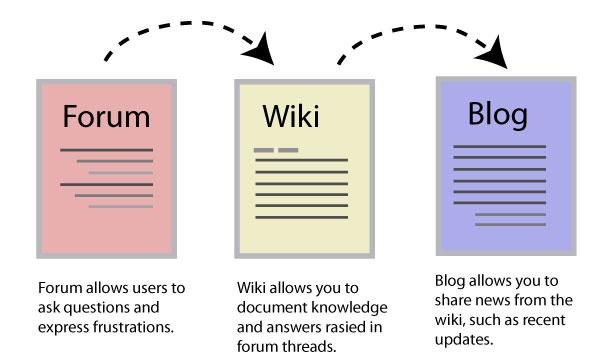
Leveraging AI to convert forum discussions into compelling blog content involves more than mere transcription – it’s about capturing the essence and insights embedded within community interactions. Begin by curating high-value questions that spark curiosity or address common pain points. Next, use AI tools to analyze and synthesize diverse responses, transforming fragmented answers into coherent narratives. This process enriches content with authenticity and user perspectives, while enabling fresh angles for storytelling. To ensure quality and engagement, focus on:
- Contextualizing answers with additional data or examples that deepen understanding.
- Highlighting unique viewpoints to showcase community expertise and foster trust.
- Optimizing flow so the final post reads naturally and maintains reader interest.
Below is a simple breakdown of the AI-enhanced transformation workflow:
| Step | Action | Outcome |
|---|---|---|
| 1 | Select engaging Q&A threads | Relevant source material |
| 2 | Use AI to summarize and edit responses | Clear, reader-friendly content |
| 3 | Add expert commentary or insights | Enhanced credibility and engagement |
| 4 | Publish and promote across channels | Wider audience reach and interaction |

Best Practices for Using AI to Ensure Accuracy and Authenticity in Blog Posts
Leveraging AI for blog content demands a strategic approach to maintain integrity and trustworthiness. Start by verifying sources extracted from Q&A forums, cross-referencing answers with reputable sites to avoid misinformation. Employ AI tools adept at fact-checking and recognizing outdated content. Encourage a diverse range of inputs to prevent biased narratives, and always retain a human editorial layer to infuse contextual judgment and nuance. WordPress users can also utilize plugins that highlight AI-generated segments, promoting transparency for readers. Below is a quick reference table summarizing essential best practices:
| Practice | Benefit |
|---|---|
| Source Verification | Accuracy assurance |
| Diverse Input | Reduced bias |
| Human Review | Enhanced context |
| Fact-Checking AI | Misinformation avoidance |
| Transparency Plugins | Reader trust |
Q&A
Q&A: How to Use AI to Create Blog Posts from Q&A Forums
Q1: Why use Q&A forums as a source for blog content?
A1: Q&A forums are treasure troves of real, diverse questions and answers from actual users. They highlight trending topics, common pain points, and unique perspectives that can inspire relevant and engaging blog posts tailored to your audience’s interests.
Q2: How can AI help in transforming forum Q&As into blog posts?
A2: AI can efficiently sift through vast Q&A threads, identify valuable insights, summarize lengthy discussions, and generate coherent, well-structured blog content. It can also rephrase technical jargon into reader-friendly language, making complex topics accessible.
Q3: What steps should I take before feeding Q&A data into an AI tool?
A3: Start by selecting niche forums relevant to your blog, export or scrape high-quality Q&As, and clean the data to remove duplicates, spam, or irrelevant content. Clearly define the scope and tone for your blog posts to guide the AI’s writing style.
Q4: How do I ensure the AI-generated content remains original and trustworthy?
A4: Use AI to draft or outline posts rather than relying on it for verbatim copying. Fact-check the content against original sources to avoid misinformation, and add your own insights or expert commentary to enrich and authenticate the material.
Q5: Can AI help tailor blog posts for SEO using Q&A forum data?
A5: Absolutely. AI can analyze frequent queries and keywords from forums to optimize blog titles, headers, and meta descriptions. By incorporating naturally asked questions and popular phrases, your posts are more likely to rank well and match user intent.
Q6: Are there ethical considerations when using forum content for blogs?
A6: Yes. Respect user privacy by anonymizing personal details, and avoid copying content without permission. Give credit if required, and ensure your blog adds unique value rather than merely reposting existing forum answers.
Q7: What AI tools work best for this kind of content creation?
A7: Natural language processing models like GPT or similar large language models excel at understanding context and generating human-like text. Additionally, tools specialized in summarization and data extraction can streamline the process.
Q8: How can I maintain a consistent voice across AI-generated blog posts?
A8: Set clear style guidelines before content generation, and train or prompt the AI accordingly. Post-editing by human writers can harmonize tone, fix inconsistencies, and inject personality to keep your brand voice consistent.
Q9: What potential pitfalls should I watch out for?
A9: AI may sometimes produce inaccurate or biased content, or fail to capture subtle nuances of forum discussions. Over-reliance can lead to generic writing. Always review, fact-check, and personalize the AI output.
Q10: How does integrating AI with Q&A forum data impact my content strategy?
A10: It enables faster content production aligned with real audience interests, improves SEO relevance, and helps you uncover fresh topics. When used thoughtfully, it can boost engagement and position your blog as a responsive community resource.
Future Outlook
In the ever-evolving landscape of content creation, harnessing AI to transform Q&A forum insights into engaging blog posts is more than a clever hack-it’s a bridge between curiosity and clarity. By blending the raw authenticity of real questions with the precision of AI, writers can craft narratives that resonate deeply with readers. As you embark on this innovative journey, remember that technology is a tool, not a replacement; the human touch in editing and perspective remains indispensable. Embrace the synergy of AI and authentic dialogue, and watch your blog posts not only inform but inspire.