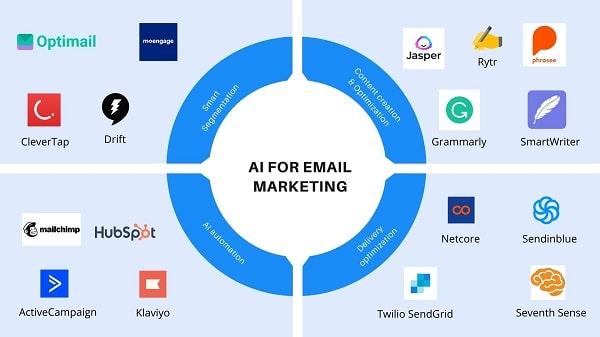
In today’s fast-paced digital world, customer communication is more than just a necessity-it’s an art. Yet, keeping up with the constant influx of emails can quickly become overwhelming, leaving businesses struggling to respond promptly and personally. Enter artificial intelligence: a transformative tool reshaping how companies engage with their audience. Automating customer emails with AI not only streamlines workflows but also enhances the quality and relevance of every message sent. This article delves into the practical steps and innovative strategies to harness AI’s power, turning routine email interactions into seamless, impactful conversations.
Table of Contents
- Understanding the Role of AI in Streamlining Customer Email Communication
- Crafting Personalized Email Campaigns Using AI-Driven Tools
- Best Practices for Integrating AI Automation into Your Email Workflow
- Q&A
- To Conclude
Understanding the Role of AI in Streamlining Customer Email Communication
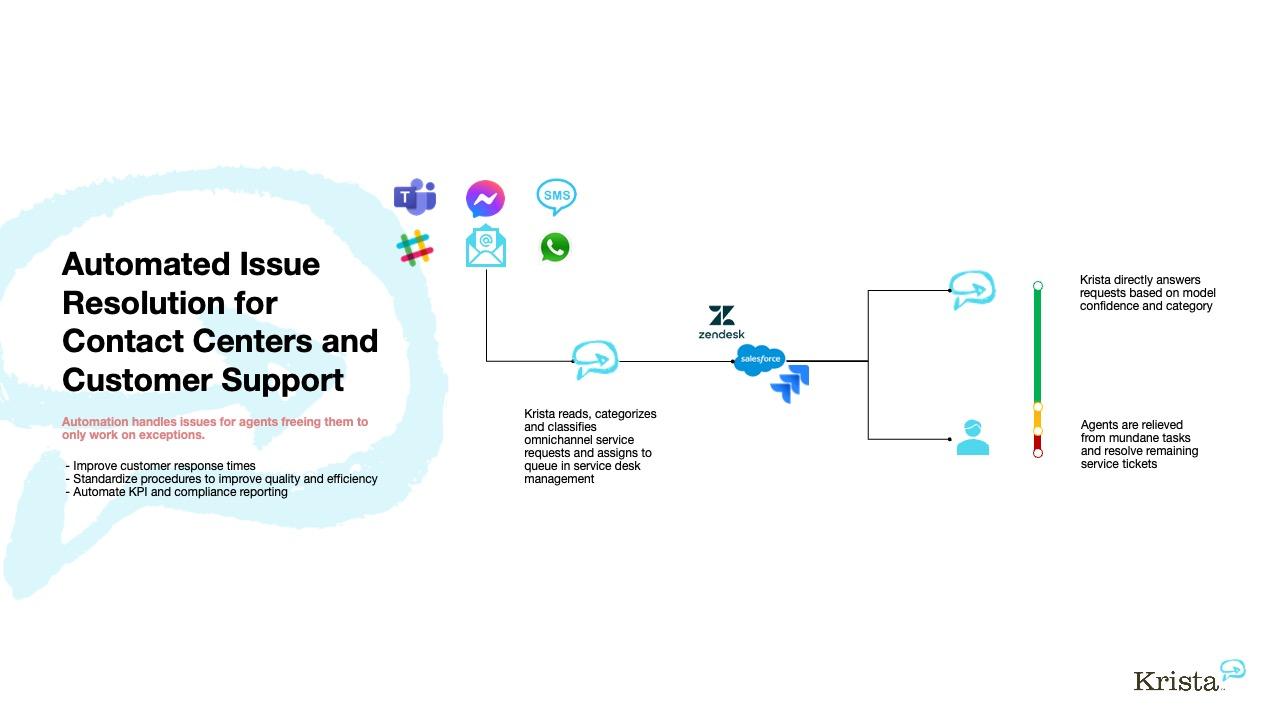
AI transforms customer email communication by enabling businesses to respond faster and more accurately. With machine learning algorithms, AI can analyze vast volumes of emails in real-time to categorize inquiries, prioritize urgent requests, and even generate personalized replies that maintain a human touch. Key benefits include:
- 24/7 availability – ensuring customers receive timely responses regardless of time zones.
- Consistency – maintaining uniform tone and message quality across all communications.
- Scalability – handling large spikes in email volume without extra human resources.
| AI Feature | Customer Benefit | Business Impact |
|---|---|---|
| Natural Language Processing | Understands intent behind emails | Faster ticket resolution |
| Automated Responses | Immediate answers to FAQs | Reduced workload on support teams |
| Sentiment Analysis | Detects customer emotions | Proactive issue management |
Crafting Personalized Email Campaigns Using AI-Driven Tools
Leveraging AI-driven tools enables marketers to design email campaigns that resonate on a deeply personal level, elevating engagement and conversion rates. By tapping into advanced data analytics, these tools analyze customer behavior, preferences, and purchase history to tailor content that feels uniquely relevant. Key features often include:
- Dynamic content generation that adapts subject lines and body text for individual recipients.
- Optimized send times based on each contact’s previous interaction patterns.
- A/B testing automation which selects winning variants automatically for better performance.
In WordPress environments, integrating AI-powered plugins can simplify the process with intuitive dashboards and real-time analytics, ensuring that every email crafted doesn’t just reach an inbox but sparks meaningful action.
Best Practices for Integrating AI Automation into Your Email Workflow
To seamlessly blend AI automation into your email workflow, embrace a strategy that balances innovation with personalization. Start by defining clear objectives for automation-whether it’s enhancing response times, segmenting customers, or personalizing content. Implement AI tools that learn from your audience’s behaviors, allowing emails to adapt in real-time to customer needs. Maintain transparency by clearly disclosing automated interactions to preserve trust. Regularly review AI performance metrics, and encourage human oversight to catch nuances machines may miss. Below is an example of how to structure your integration phases, ensuring a smooth transition and ongoing refinement.
| Phase | Focus | Key Actions |
|---|---|---|
| Initiation | Setup & Testing |
|
| Expansion | Optimization |
|
| Maturity | Automation Refinement |
|
Q&A
Q: What does automating customer emails with AI mean?
A: It means using artificial intelligence technologies-like natural language processing and machine learning-to create, send, and manage customer emails without manual effort. AI can personalize content, time delivery, and handle responses to improve efficiency and engagement.
Q: Why should businesses consider automating their customer emails?
A: Automating emails saves time, reduces human error, and ensures consistent communication. It allows businesses to deliver timely and personalized messages at scale, enhancing customer experience and boosting conversion rates.
Q: How does AI personalize customer emails better than traditional methods?
A: Traditional automation relies on static templates and rules. AI, however, analyzes customer behavior, preferences, and interactions to dynamically tailor email content, subject lines, and send times-making each message feel uniquely crafted.
Q: What are the key steps to start automating customer emails with AI?
A: First, gather and organize customer data. Next, select an AI email automation platform that fits your needs. Then, design email workflows with AI-powered personalization and testing. Finally, monitor campaign performance and refine based on insights.
Q: Can AI handle customer email replies automatically?
A: Yes, advanced AI systems can interpret common queries and provide instant responses or escalate complex issues to human agents. This speeds up resolution times and maintains consistent communication quality.
Q: Are there any risks associated with using AI in email automation?
A: Potential risks include privacy concerns, over-reliance on automation leading to impersonal communication, and mistakes if AI misinterprets data. It’s important to maintain transparency, respect data regulations, and balance automation with human oversight.
Q: How can businesses measure the success of AI-driven email automation?
A: Metrics like open rates, click-through rates, conversion rates, and customer satisfaction scores help evaluate effectiveness. Additionally, monitoring AI performance in personalizing content and automating replies provides insights for continuous improvement.
Q: What does the future hold for AI in customer email automation?
A: AI will become more sophisticated, enabling hyper-personalization, predictive engagement, and seamless integration across communication channels-transforming emails into highly dynamic, interactive experiences that foster deeper customer relationships.
To Conclude
In the ever-evolving landscape of customer communication, harnessing AI to automate emails is no longer a futuristic fantasy-it’s a practical necessity. By blending smart technology with thoughtful strategy, businesses can craft timely, personalized interactions that resonate with each recipient without sacrificing efficiency. As you embark on this journey to automate your customer emails, remember: the true power of AI lies not just in speed or scale, but in its ability to deepen connections and foster loyalty. Embrace automation thoughtfully, and watch your customer relationships transform into a seamless dialogue that works around the clock, while you focus on what matters most-growing your business.