In a world where technology continuously reshapes the way we communicate, learning a new language has become more accessible than ever. Artificial Intelligence (AI), once a futuristic concept, now plays a leading role in breaking down linguistic barriers and fostering global connections. But how exactly can AI transform the language learning journey? This article explores practical ways to harness the power of AI tools and techniques, guiding you step-by-step toward fluency in a language you’ve always wanted to master. Whether you’re a beginner eager to start or an advanced learner seeking to refine your skills, AI offers a personalized and dynamic approach to unlocking new languages with ease and efficiency.
Table of Contents
- Effective AI Tools for Personalized Language Learning
- Integrating AI-Powered Practice into Daily Study Routines
- Maximizing Language Retention with Adaptive AI Feedback
- Q&A
- Closing Remarks
Effective AI Tools for Personalized Language Learning
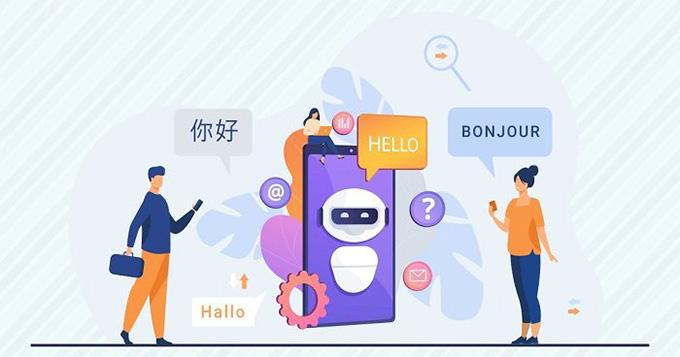
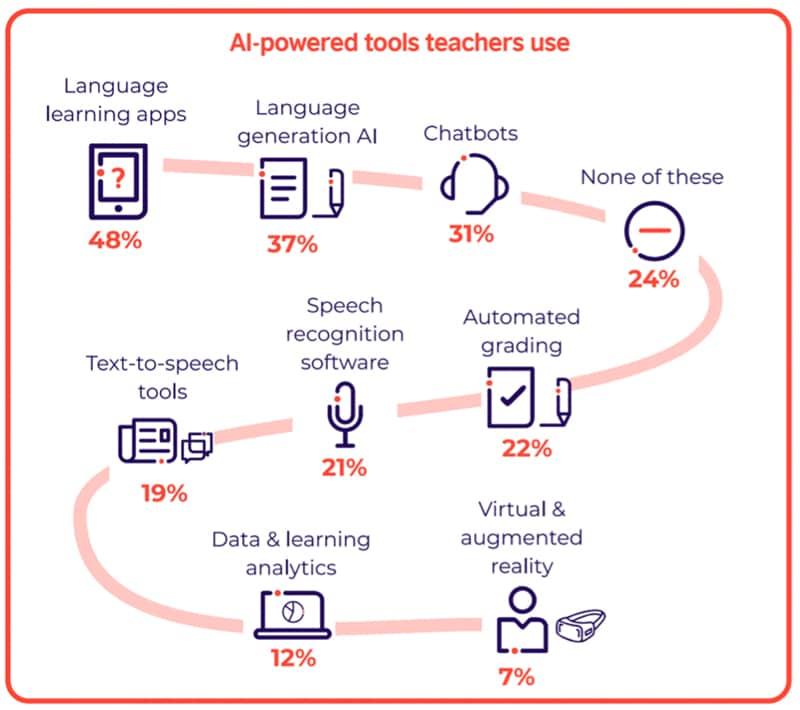
Harnessing AI for language learning unlocks a world of tailored experiences that adapt to your unique pace and style. Tools like language chatbots provide instant, conversational practice, while AI-powered flashcards dynamically adjust to focus on your weakest vocabulary. Platforms featuring speech recognition give real-time pronunciation feedback, helping refine your accent naturally. Incorporating these technologies means you’re not just learning a language – you’re engaging in a personalized, interactive journey that evolves with your progress.
- Dynamic Vocabulary Builders: Reinforce words based on retention patterns.
- Contextual Grammar Assistants: Correct mistakes in real-time writing exercises.
- Immersive AI Tutors: Simulate real-life conversations to boost fluency.
| Tool Type | Main Benefit | Example Feature |
|---|---|---|
| Chatbots | Conversational practice | Instant dialogue correction |
| Flashcards | Adaptive learning | Spaced repetition scheduling |
| Pronunciation Analyzers | Accent improvement | Real-time feedback |
Integrating AI-Powered Practice into Daily Study Routines
To harness the full potential of AI in language learning, weave it seamlessly into your daily habits by setting aside moments that feel natural rather than forced. Utilize voice recognition tools that allow you to practice pronunciation anytime, anywhere-whether during a morning walk or while commuting. AI-powered chatbots can simulate real conversations, helping you build confidence and fluency by engaging in interactive dialogues that adapt to your level. Incorporate personalized vocabulary drills generated based on your most frequent mistakes, ensuring targeted improvement without overwhelming your schedule. Consider balancing AI-driven exercises with immersive experiences like watching foreign language films or listening to podcasts, where AI can provide instant translations and contextual explanations. Here’s a simple plan to get started:
- Morning: 5 minutes with a pronunciation app.
- Afternoon: Practice dialogue with a chatbot for 10 minutes.
- Evening: Review personalized flashcards tailored by AI insights.
Maximizing Language Retention with Adaptive AI Feedback
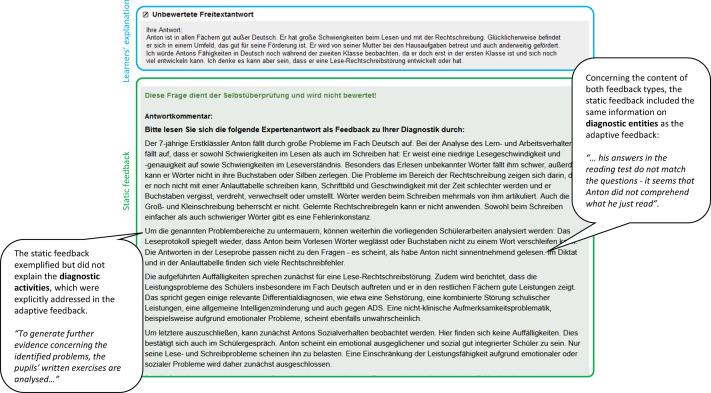
Leveraging adaptive AI feedback transforms your language learning journey by tailoring challenges based on your unique progress and errors. This dynamic approach ensures you focus on areas that need improvement, rather than generic drills. With real-time corrections and personalized encouragement, the AI acts like a virtual tutor that understands your learning rhythm. Consider these benefits:
- Immediate error correction for faster mastery.
- Customized exercises targeting your weak spots.
- Engaging content that evolves as you improve.
| Feature | Benefit |
|---|---|
| Pronunciation Feedback | Perfect your accent with AI-driven audio analysis. |
| Grammar Adjustments | Receive tips customized to your common mistakes. |
| Vocabulary Expansion | Learn new words relevant to your interests and goals. |
Q&A
Q&A: How to Use AI to Learn a New Language
Q1: What makes AI a useful tool for learning a new language?
A1: AI offers personalized, adaptive learning experiences that traditional methods often lack. It can analyze your strengths and weaknesses, tailor exercises to your level, and provide instant feedback-turning the language-learning journey into a focused, engaging adventure.
Q2: How can AI tools help with pronunciation?
A2: Many AI-powered apps use speech recognition and natural language processing to detect pronunciation errors. They not only highlight mistakes but also demonstrate correct pronunciation, allowing learners to practice until they sound like native speakers.
Q3: Can AI replace human tutors when learning a language?
A3: AI complements but doesn’t fully replace human interaction. While it’s fantastic for grammar drills, vocabulary building, and pronunciation practice, human tutors bring cultural context, emotional nuance, and real-time conversation practice that AI still can’t replicate perfectly.
Q4: What AI-driven apps or platforms are best for language learners?
A4: Popular options include Duolingo, which combines gamification with AI assessments; Babbel, focusing on conversation skills; and apps like Elsa Speak that specialize in pronunciation. Emerging AI chatbots also simulate real conversations to boost fluency.
Q5: How can one stay motivated using AI tools?
A5: AI platforms often incorporate gamified elements-points, streaks, badges-that keep learning fun and rewarding. Additionally, adaptive difficulty ensures you’re always challenged just enough to make progress without frustration.
Q6: What tips would enhance learning with AI?
A6: Set clear goals, practice consistently, mix AI exercises with real-world practice, and don’t shy away from speaking aloud. Use AI for feedback but engage with native speakers or media to round out your skills and deepen cultural understanding.
Q7: Is there a downside to relying too much on AI for language learning?
A7: Overreliance can limit exposure to spontaneous conversation and cultural immersion. AI might not pick up subtle contextual cues or slang as fluidly as real interactions. Balancing AI use with diverse learning methods is key to mastering a language.
Using AI to learn a new language is like having a patient tutor available 24/7, ready to customize lessons to your needs and pace. When combined thoughtfully with human connection and cultural exploration, it can transform the way you acquire new tongues-one AI-powered step at a time.
Closing Remarks
As the digital landscape continues to evolve, AI stands as a groundbreaking companion on your language-learning journey. By blending technology with curiosity, you unlock new pathways to fluency that were once unimaginable. Whether it’s through personalized lessons, real-time feedback, or immersive conversation practice, AI empowers you to transform challenges into opportunities. So, embrace these intelligent tools not just as aids, but as bridges to connect with new cultures and perspectives-because every language learned is a world discovered.