
In the ever-evolving landscape of digital marketing, the fusion of creativity and technology has opened doors to powerful new strategies. Among these, the use of artificial intelligence (AI) to build an ebook funnel stands out as a game-changer for authors, entrepreneurs, and marketers alike. This innovative approach not only streamlines the process of attracting and nurturing readers but also transforms how value is delivered through digital content. In this article, we delve into the practical steps and intelligent tools that can help you harness AI’s potential to craft an effective, seamless ebook funnel-turning curiosity into engagement and downloads into loyal followers.
Table of Contents
- Harnessing AI for Targeted Ebook Creation
- Optimizing Lead Capture and Engagement with Intelligent Automation
- Measuring Success and Refining Your AI-Driven Ebook Funnel
- Q&A
- To Conclude
Harnessing AI for Targeted Ebook Creation
AI technology unlocks unprecedented opportunities for creating ebooks that resonate with specific audiences by analyzing massive datasets, identifying trends, and tailoring content accordingly. By integrating AI tools, you can:
- Pinpoint ideal target demographics through behavioral and preference analysis.
- Generate personalized content outlines that reflect audience needs and interests.
- Automate the drafting process while maintaining a human-like tone and style.
- Optimize content flow and structure based on engagement metrics predicted by AI.
- Enhance lead conversion rates by delivering precisely crafted value propositions.
| AI Feature | Benefit | Example Use |
|---|---|---|
| Audience Analysis | Ensures relevance | Tailoring ebook topics |
| Content Suggestion | Saves creation time | Generating chapter ideas |
| Language Optimization | Improves readability | Adjusting tone and style |
Optimizing Lead Capture and Engagement with Intelligent Automation
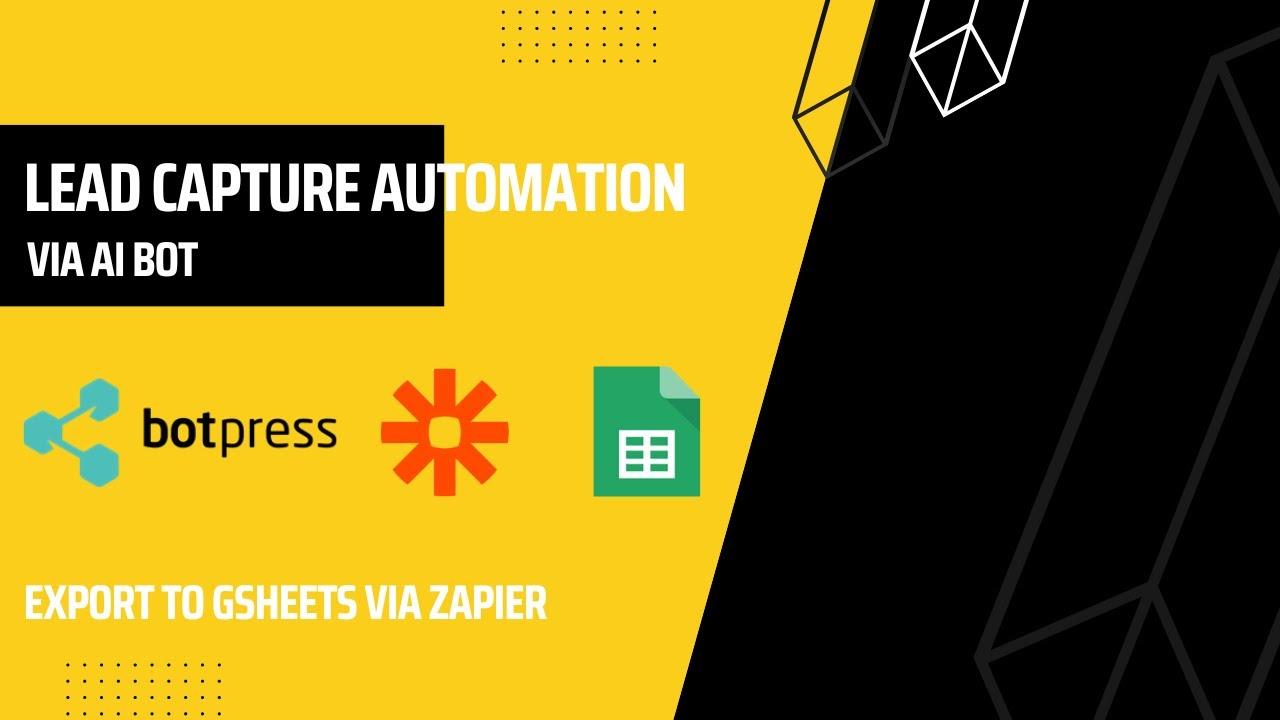
Harnessing AI-driven automation allows you to transform passive visitors into active leads seamlessly. By integrating smart chatbots and adaptive forms that react based on user behavior, you can tailor the ebook funnel experience to individual intent and preferences. Consider implementing:
- Behavioral Triggers: Automate follow-ups based on how users interact with landing pages or content previews.
- Personalized Content Delivery: Use AI to recommend ebook chapters or supplementary resources aligned with user interests.
- Dynamic Lead Scoring: Automatically prioritize high-potential leads by analyzing engagement patterns and interaction depth.
These intelligent touches not only reduce drop-offs but also foster deeper engagement, making the journey from curiosity to conversion both intuitive and efficient.
| Automation Feature | Benefit | Example |
|---|---|---|
| Smart Chatbot | Instantly addresses visitor questions | Suggests ebook chapters based on queries |
| Adaptive Forms | Captures relevant lead info with ease | Progressively reveals fields as user engages |
| Automated Email Workflows | Nurtures leads without manual effort | Delivers targeted ebook excerpts post-download |

Measuring Success and Refining Your AI-Driven Ebook Funnel
To truly leverage your AI-driven ebook funnel, it’s crucial to focus on continuous improvement by harnessing data insights and user feedback. Start by tracking key performance indicators such as conversion rates, engagement time, and drop-off points. AI tools can automatically analyze these metrics to identify bottlenecks or segments that respond best to your offers. Use automated A/B testing to experiment with variations in your landing pages, email sequences, and call-to-actions, refining your approach with precision. Below is an example table to help you organize and compare your funnel metrics effectively:
| Metric | Current Rate | Target Rate | Notes |
|---|---|---|---|
| Landing Page Conversion | 18% | 25% | Test new CTA design |
| Email Open Rate | 32% | 45% | Optimize subject lines |
| Download Completion | 70% | 80% | Improve load speed |
- Leverage AI dashboards to visualize trends and quickly adapt strategies.
- Solicit qualitative feedback through customer surveys enhanced with AI sentiment analysis.
- Iterate frequently; the beauty of AI integration is its ability to respond in real-time, keeping your funnel agile and efficient.
Q&A
Q&A: How to Use AI to Build an Ebook Funnel
Q1: What exactly is an ebook funnel, and why should I build one?
An ebook funnel is a strategic marketing pathway where you offer a valuable ebook to capture leads, nurture them through targeted content, and guide them toward a product or service purchase. It’s a powerful tool because ebooks provide substantial value upfront, building trust and interest that can convert casual visitors into loyal customers.
Q2: How can AI enhance the creation of an ebook funnel?
AI accelerates and refines every step of the funnel. From generating compelling ebook content tailored to your niche, crafting personalized email sequences, to analyzing user engagement data-AI helps optimize each phase, saving time and increasing conversion rates with data-driven precision.
Q3: Where do I start using AI to create my ebook?
Begin by using AI writing tools to draft your ebook’s chapters. Input your topic and key points, and let AI generate a cohesive narrative or outline. You can then customize it with your voice and expertise. This jumpstarts the content creation process and overcomes writer’s block.
Q4: How do I use AI to design the ebook funnel’s landing page?
AI-powered website builders and copywriting assistants can craft persuasive landing page copy optimized for UX and SEO. Additionally, AI tools can suggest layout structures and conversion-focused elements that resonate with your target audience, ensuring visitors are compelled to download your ebook.
Q5: Can AI personalize the follow-up emails after someone downloads the ebook?
Absolutely. AI email automation platforms tailor follow-up sequences based on reader behavior and preferences. They can segment your audience dynamically and send relevant content or offers, increasing engagement and gently guiding prospects toward a sale without sounding robotic.
Q6: How do I measure the success of an AI-powered ebook funnel?
Leverage AI analytics tools to track metrics like download rates, email open and click-through rates, and conversion ratios. AI-driven insights can highlight which parts of the funnel perform well and where drop-offs occur, enabling iterative improvements to maximize ROI.
Q7: Are there risks or challenges when using AI for my ebook funnel?
One challenge is ensuring AI-generated content maintains your authentic brand voice and accuracy. Over-reliance on AI without human oversight can cause misaligned messaging or factual errors. Also, ethical use and transparency with your audience about AI involvement is important to maintain trust.
Q8: What’s the biggest advantage AI brings to building an ebook funnel?
The biggest advantage is scale and efficiency. AI transforms a traditionally time-intensive process into a faster, data-informed one, empowering marketers and creators to produce high-quality, personalized content and funnels that resonate and convert-without reinventing the wheel each time.
By integrating AI thoughtfully, anyone can build a streamlined, effective ebook funnel that not only attracts readers but nurtures them into devoted customers.
To Conclude
As the digital landscape continues to evolve, harnessing the power of AI to build your ebook funnel isn’t just a smart move-it’s becoming essential. By blending creativity with cutting-edge technology, you can craft a seamless, personalized journey that turns curious readers into loyal customers. Whether you’re just starting out or looking to refine your strategy, AI offers tools that amplify your reach and deepen your impact. Embrace this fusion of innovation and storytelling, and watch your ebook funnel transform from a simple sales tactic into a dynamic engine for growth. The future of publishing is here-are you ready to lead the way?