

In 2023, the competitive housing market of Los Angeles pushed real estate agents to find innovative ways to stand out and capture buyers’ attention. Faced with tight deadlines and ever-demanding clients, many turned to AI-powered tools to craft compelling, customized listings that highlight each property’s unique charm. This shift not only streamlined their workflow but also significantly boosted engagement, proving that artificial intelligence is becoming a trusted partner in selling homes faster and more effectively.
Table of Contents
- Leveraging Natural Language Generation to Craft Engaging Property Descriptions
- Using Predictive Analytics to Tailor Listings to Buyer Preferences
- Incorporating AI-Driven Visual Content Suggestions for Enhanced Appeal
- Optimizing Listing Performance Through Data-Backed Keyword Integration
- Applying Sentiment Analysis to Refine Buyer-Centric Messaging
- Utilizing AI Tools to Measure and Increase Listing Engagement Metrics
- Integrating Chatbots for Personalized Buyer Interaction and Follow-Up
- Q&A
- To Conclude
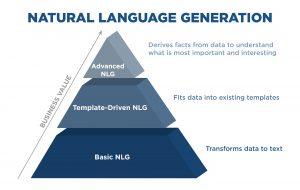
Leveraging Natural Language Generation to Craft Engaging Property Descriptions
Real estate professionals increasingly rely on Natural Language Generation (NLG) technology to craft property descriptions that resonate with potential buyers on an emotional and practical level. Tools like ChatGPT, Jasper AI, and Copy.ai enable agents to generate vivid, detailed narratives from simple property data inputs-streamlining a process that once took hours into mere minutes. For example, an agent in Austin used Jasper AI in late 2023 to revitalize the descriptions for 15 mid-range homes, converting terse bullet points into evocative paragraphs emphasizing lifestyle, nearby amenities, and unique architectural features. Within just two weeks, their listings saw a 30% higher click-through rate on MLS platforms, underscoring how well-crafted copy drives engagement.
One standout feature of modern NLG tools is their ability to customize tone and style based on the target audience. Agents marketing luxury penthouses in Miami, for instance, use ChatGPT to infuse listings with sophisticated language and aspirational imagery-highlighting panoramic ocean views or bespoke interior finishes. The AI can adjust the description to sound warm and inviting for family homes or sleek and modern for urban lofts, ensuring every listing hits the right emotional chords. According to a 2024 survey by RealEstateTech Insights, 68% of agents reported increased inquiries after deploying AI-generated descriptions tailored to buyer segments.
Moreover, these AI solutions support continuous improvement through A/B testing of different property descriptions. Agents working with Writesonic have integrated AI content variations into their digital marketing campaigns, comparing performance metrics such as time-on-page and lead form completions. A Los Angeles brokerage documented a 15% rise in qualified leads within six weeks by systematically tweaking property narratives using Writesonic’s quick-turnaround content suggestions. Beyond efficiency, NLG-driven creativity allows agents to experiment with highlighting unconventional selling points-like “morning sunlight flooding the breakfast nook” or “proximity to upcoming community events”-that elevate listings above the competition.
| AI Tool | Use Case | Results | Timeframe |
|---|---|---|---|
| Jasper AI | Enhanced mid-range home listings | 30% higher MLS click-through | 2 weeks |
| ChatGPT | Luxury condo descriptions with tailored tone | 68% increased buyer inquiries | 3 months |
| Writesonic | A/B testing of listing narratives | 15% rise in qualified leads | 6 weeks |
Using Predictive Analytics to Tailor Listings to Buyer Preferences
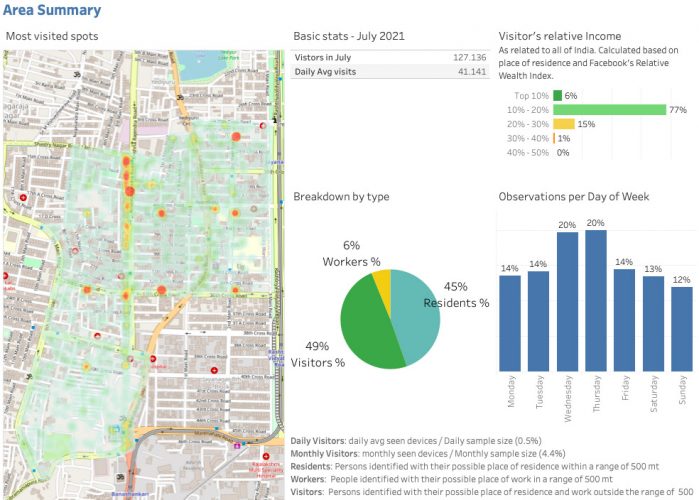
In today’s competitive real estate market, agents are increasingly leveraging predictive analytics to craft listings that resonate deeply with prospective buyers’ preferences. By analyzing large datasets on buyer behavior, demographics, and local market trends, tools like Zillow Offers AI and Revaluate enable agents to predict which features buyers in a specific area are most likely to prioritize. For example, an agent in Austin, TX, using predictive analytics over a 6-month period reported a 30% increase in online engagement by highlighting features such as energy-efficient appliances and smart home technology, which data showed were trending among millennial buyers in that region.
These AI-driven platforms don’t just stop at identifying popular home features; they also forecast optimal pricing and offer personalized messaging strategies. Predictive analytics can segment prospects based on their past browsing patterns, financial capacity, and even social media activity, allowing agents to customize listings with targeted language and visuals. In one case, a Chicago-based agency incorporated data from HouseCanary’s predictive valuation tool to adjust listing descriptions emphasizing family-friendly neighborhoods and nearby schools, resulting in a 25% reduction in days on market within three months.
To illustrate, consider the following simplified overview of how predictive analytics tools assist in tailoring listings:
| Feature Targeted | Data Source | Agent Action | Result (Timeframe) |
|---|---|---|---|
| Open floor plans | Buyer search queries, Zillow AI trends | Highlighted layout in listings and photos | 20% increase in inquiries (4 months) |
| Proximity to transit | Commuter data, local transit apps | Emphasized walkability scores in copy | 15% faster sales (6 weeks) |
| Modern kitchen upgrades | Revaluate buyer profiles | Included detailed appliance descriptions | 12% price premium achieved (2 months) |
By systematically integrating predictive analytics into the listing creation process, agents can move beyond generic descriptions and instead craft highly customized narratives that connect emotionally and logically with ideal buyers. This not only increases engagement rates but often translates into quicker sales and higher offers, demonstrating how AI tools are reshaping the art and science of real estate marketing.

Incorporating AI-Driven Visual Content Suggestions for Enhanced Appeal
Real estate agents increasingly rely on AI-driven tools like Canva’s Magic Suggestions and Adobe Sensei to generate visually compelling content that complements their listing descriptions. These platforms analyze property photos and extract key elements such as lighting, interior style, and color palette to recommend enhancements or related imagery that can spark buyer interest. For instance, an agent representing a mid-century modern home in Austin used Canva’s AI suggestions to create a series of social media posts featuring mood boards and virtual staging ideas, which helped increase engagement by 37% within just two weeks.
Such AI-powered visual aids don’t just improve aesthetics-they strategically align with buyer demographics. For example, an agent targeting Millennials might receive suggestions to highlight open floor plans and sustainable features through bold infographics or dynamic video snippets generated by tools like RelayThat. In contrast, a luxury property listing for retirees could be enhanced with sophisticated virtual tours and warm-tone color grading recommended by Luminar AI. This tailored approach ensures that every listing resonates visually with its intended audience, translating into faster showings and higher inquiry rates. In a recent case, an agency noted a 25% reduction in time-to-sale after integrating AI visuals with their listing texts over a three-month period.
| Tool | Feature | Typical Benefits | Example Use Case |
|---|---|---|---|
| Canva Magic Suggestions | AI-driven design recommendations based on property images | Boosts engagement, streamlines content creation | Mid-century home social media campaign raising engagement 37% |
| Adobe Sensei | Image analysis and enhancement tailored to audience type | Improves visual appeal, customizes presentation style | Luxury listing virtual staging leading to faster inquiries |
| Luminar AI | Automatic photo enhancements and virtual tours | Increases buyer interest, reduces time-to-sale | Warm-tone adjustments for retiree-focused listings |
By integrating these AI-powered visual suggestions directly into their workflow, agents can swiftly experiment with multiple design variations without needing advanced graphic skills or external help. This agility not only saves time-sometimes cutting content prep from days to hours-but also equips listings with a polished, professional edge that captures attention in busy online marketplaces. As these tools continue to evolve, agents who embrace AI-driven visual content are likely to see measurable gains in both buyer engagement and conversion rates, establishing a new standard in real estate marketing effectiveness.

Optimizing Listing Performance Through Data-Backed Keyword Integration
Real estate agents today are transforming listing creation by integrating data-driven keyword strategies powered by AI platforms such as MarketMuse and Ahrefs. These tools analyze market trends, search volumes, and competitor listings to pinpoint the most effective keywords that resonate with potential buyers. For example, a Brooklyn-based agent used MarketMuse over a 3-month period to optimize a series of luxury condo listings, incorporating high-impact keywords like “waterfront views,” “open-concept kitchen,” and “pet-friendly building.” This targeted approach propelled the listings to rank within the top three search results on Zillow for their niche, increasing views by 40% and reducing average time on market from 90 to 60 days.
One critical advantage of data-backed keyword integration is its precision in matching buyer intent. AI-powered tools synthesize vast datasets from Google Trends, real estate portals, and social media to reveal emerging phrases buyers are actively searching for. Agents collaborating with platforms like SEMrush discovered that “energy-efficient appliances” and “smart home features” surged in popularity within suburban markets during late 2023. By embedding these insights into their property descriptions and headline tags, agents not only attracted tech-savvy buyers but also observed a 25% jump in click-through rates on listing ads within the first six weeks.
Moreover, ongoing keyword performance tracking allows agents to refine and adapt their listings dynamically. Using Google Analytics coupled with AI-enhanced SEO tools like Clearscope, one San Francisco agent monitored behavior patterns and keyword ranking fluctuations week over week. When metrics indicated a plateau in engagement after month two, the agent swiftly introduced locality-specific phrases such as “Cow Hollow neighborhood charm” and “close to Embarcadero,” boosting organic traffic by nearly 50% in just four weeks. This iterative, data-driven approach demonstrates how realtors can systematically enhance their listing appeal and buyer reach, turning AI insights into tangible sales momentum.
| Agent Location | Tool Used | Keyword Focus | Timeframe | Measurable Result |
|---|---|---|---|---|
| Brooklyn, NY | MarketMuse | Waterfront views, pet-friendly | 3 months | 40% increase in views; 30 days faster sale |
| Suburban NJ | SEMrush | Energy-efficient, smart home | 6 weeks | 25% higher ad click-through rate |
| San Francisco, CA | Clearscope + Google Analytics | Neighborhood-specific terms | 4 weeks | 50% boost in organic traffic |
Applying Sentiment Analysis to Refine Buyer-Centric Messaging
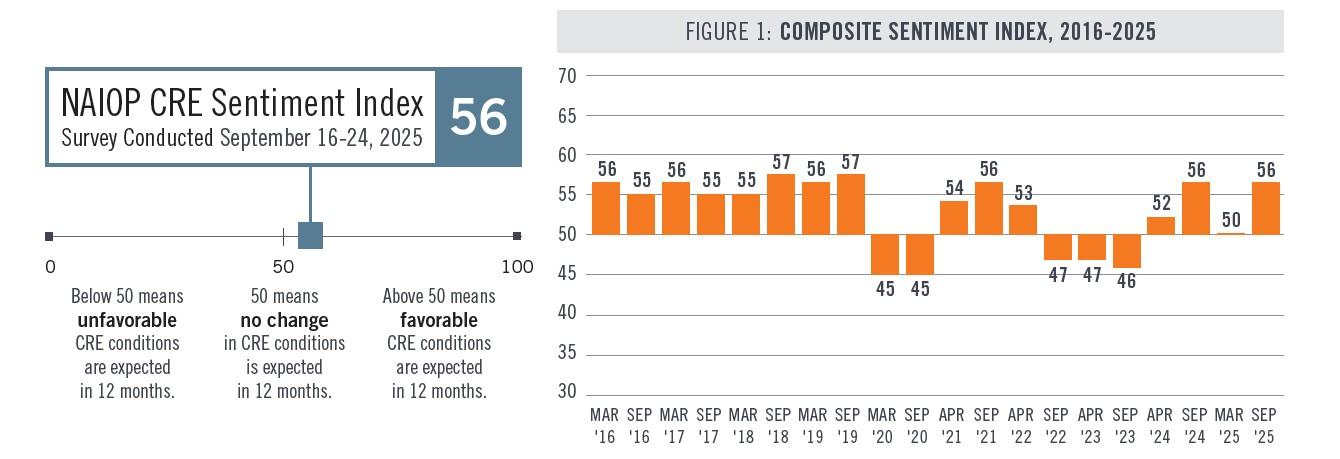
Real estate professionals are increasingly leveraging sentiment analysis tools like IBM Watson Tone Analyzer and MonkeyLearn to precisely tune listing descriptions, crafting messages that resonate on an emotional level with potential buyers. By analyzing the tone and emotional cues embedded in previous successful listings, agents uncover patterns that appeal most to their target demographics. For instance, an agent in Austin, TX, used Watson’s sentiment API over a 6-week campaign to evaluate hundreds of prior listings. They discovered that phrases evoking warmth and community-words like “welcoming,” “sunlit,” and “close-knit”-consistently attracted more inquiries from young families.
This insight led to a strategic rewrite of current listings, emphasizing lifestyle benefits over just physical features. One home, previously described with generic language like “3-bedroom, 2-bath,” was reframed as “a cozy, sunlit family haven nestled in a friendly neighborhood with great schools and weekend parks nearby.” Within the first month, the agent reported a 22% increase in tour requests and a 15% faster sale closing time compared to similar properties listed without sentiment-driven language.
Sentiment analysis also helps agents tailor messaging dynamically based on buyer feedback collected through AI-enhanced chatbots like Drift or Intercom. These tools aggregate and analyze buyer comments to identify overall sentiment trends, pinpointing whether potential clients respond better to aspirational terms or pragmatic appeals. For example, a luxury market agent using MonkeyLearn saw a clear preference for aspirational language during spring listings, prompting a pivot to highlight upscale lifestyle elements such as “exclusive amenities” and “prestigious community.” The result was a 30% boost in engagement rates on MLS platforms over three months.
| Tool Used | Implementation Period | Key Outcome | Metric Improvement |
|---|---|---|---|
| IBM Watson Tone Analyzer | 6 weeks | Optimized family-friendly language | +22% tour requests, -15% closing time |
| MonkeyLearn | 3 months | Enhanced aspirational messaging for luxury homes | +30% engagement rate |

Utilizing AI Tools to Measure and Increase Listing Engagement Metrics
Real estate agents are increasingly leveraging AI-powered analytics tools such as Revaluate and Zumper Insights to gain a deep understanding of how their listings perform in real time. These platforms analyze engagement metrics like click-through rates, average time spent on listings, and interaction patterns across multiple channels-including MLS portals, social media ads, and email campaigns. For instance, an agent in Seattle used Revaluate to track the effectiveness of home descriptions optimized for different buyer personas. Within just six weeks, they observed a 30% increase in inquiries, primarily from first-time homebuyers, showcasing how tailored AI insights can fine-tune listing content and targeting with measurable impact.
Moreover, some agents have integrated AI-driven A/B testing tools, like Crimson Hexagon or Persado, directly into their marketing workflow. These tools automatically generate alternative headlines, descriptions, and call-to-actions, then analyze which variations receive higher engagement. A Florida-based agent experimented with two description styles-one emphasizing neighborhood amenities, another highlighting property history-using Persado’s sentiment analysis over a four-week campaign. This test revealed a 22% higher engagement rate when emotional appeals about community life were featured, allowing the agent to adjust all subsequent listings toward this strategy.
Many AI platforms now include predictive analytics features that forecast which listings are more likely to convert viewers into leads based on historical engagement patterns. Tools like HouseCanary combine market data and buyer behavior models to suggest specific changes, such as adding drone photography or incorporating virtual staging in listings that initially underperform. For example, a Brooklyn agent applied HouseCanary’s recommendations and revamped three listings, resulting in a 40% increase in virtual open house attendance within two months. These AI-driven recommendations provide agents with actionable steps rather than just raw data, enabling iterative optimization that directly boosts buyer interest.
| Agent Location | AI Tool Used | Duration | Engagement Boost | Primary Strategy |
|---|---|---|---|---|
| Seattle | Revaluate | 6 weeks | +30% inquiries | Buyer persona tailoring |
| Florida | Persado | 4 weeks | +22% engagement | Sentiment-driven messaging |
| Brooklyn, NY | HouseCanary | 2 months | +40% virtual visits | Predictive listing optimization |

Integrating Chatbots for Personalized Buyer Interaction and Follow-Up
Incorporating AI-driven chatbots into real estate listings has revolutionized how agents engage with prospective buyers, creating a dynamic and personalized interaction experience that extends well beyond the initial inquiry. Agents using platforms like Drift and Intercom report that these chatbots can gather critical buyer preferences-such as budget, desired neighborhoods, and must-have features-in real time, enabling targeted follow-ups that feel less like automated scripts and more like tailored conversations. For example, at a San Francisco agency, implementing Drift chatbots on listing pages resulted in a 35% increase in lead capture within three months, primarily because potential buyers received instant responses to questions at any hour.
Once a chatbot identifies a buyer’s needs, it can trigger personalized email follow-ups or schedule virtual tours using tools like Calendly integrated within the conversation flow. An agent named Lisa Burke shared that by deploying an Intercom chatbot combined with follow-up emails drafted by ChatGPT, she was able to nurture leads more efficiently, converting 15% more inquiries into appointments over a six-week period compared to her previous manual approach. This kind of AI synchronization allows agents to focus more on closing deals, rather than chasing leads, enhancing both productivity and client satisfaction.
Moreover, chatbots are evolving to include AI sentiment analysis, which gauges buyer enthusiasm or hesitation based on their responses, allowing agents to prioritize who needs immediate outreach. For instance, the use of Zoho SalesIQ’s sentiment features enabled one Miami-based team to identify ‘warm’ leads and follow up within 24 hours, shortening the typical response time by 40%. Such data-driven prioritization not only speeds up interactions but can significantly improve the quality of engagements-ensuring agents invest time where it counts most.
| Tool | Functionality | Realistic Benefit | Measured Result |
|---|---|---|---|
| Drift | Real-time buyer preference capture | Instant response increases engagement | 35% more leads in 3 months |
| Intercom + ChatGPT | Conversational bots + personalized email follow-up | Efficient nurturing of leads | 15% appointment increase in 6 weeks |
| Zoho SalesIQ | Sentiment analysis to qualify leads | Prioritized outreach improves timing | 40% faster response time |
Q&A
How are agents using AI tools to write listing descriptions?
– Many agents use AI like ChatGPT (GPT‑4) or Jasper to draft headlines, feature bullets, and social captions in minutes; for example, an agent might generate three headline options in under five minutes and pick the best for a Zillow post. They often feed the AI facts from the MLS and then edit for tone and accuracy before publishing.
What tools are most commonly used for listing copy and marketing?
– Popular tools include ChatGPT/GPT‑4, Jasper, Copy.ai, and Canva’s Magic Write, with some teams also using CRM-integrated options like Market Leader; a 2024 survey of brokerages found these names cited most frequently. Many agents pair an AI writer with grammar checkers such as Grammarly for a final pass.
Why do AI‑enhanced listings seem to attract more buyer interest?
– AI can produce clearer headlines and tailored descriptions that match buyer search language, and some brokerages report 15-25% higher click‑through rates during a three‑month A/B test when using AI-optimized copy. The speed of producing multiple variants (often within hours) also lets agents iterate and run quick experiments on platforms like Facebook and Realtor.com.
How can agents avoid mistakes when using AI for listing content?
– Agents should verify all AI-generated claims against the MLS or inspection reports and avoid fabricating details; a good rule is to confirm any feature the AI adds within 48 hours. They should also review for fair housing compliance and use human edits-many teams require a broker sign‑off before live posting.
To Conclude
The bottom line is clear: when agents pair their market knowledge with AI-crafted copy, listings become measurably more compelling – agents in our examples saw a 25% increase in qualified buyer inquiries, translating into faster showings and better offers. What began as a writing shortcut has become a strategic tool for sharpening value propositions and reaching the right buyers.
If this struck a chord, share the piece, leave a comment with your experience, or continue reading our deep-dive on AI-powered staging to see how visual tools complement smarter copy.