

In 2023, Sarah, a budding blogger from Austin, struggled to break through the noise of a saturated market, spending hours hunting for blog topics that wouldn’t get buried under fierce competition. Like many content creators, she faced the common frustration of investing time in posts that never gained traction. But what if there was a smarter way to uncover untapped niches effortlessly? Using ChatGPT, Sarah discovered a powerful tool to generate unique, low-competition blog ideas that helped her stand out-and you can too.
Table of Contents
- Understanding Keyword Competition Metrics for Effective Blog Topic Selection
- Leveraging ChatGPT to Generate Niche-Specific Blog Ideas Based on Search Volume Data
- Using SEO Tools in Tandem with ChatGPT to Validate Low Competition Keywords
- Incorporating Competitor Analysis Insights into ChatGPT Prompts for Unique Content Angles
- Applying SERP Analysis Techniques to Refine ChatGPT-Suggested Blog Topics
- Utilizing Google Trends and ChatGPT for Timely and Low Competitive Blogging Opportunities
- Tracking Performance Metrics to Adjust Future ChatGPT-Driven Topic Generation Strategies
- Q&A
- In Retrospect

Understanding Keyword Competition Metrics for Effective Blog Topic Selection
When embarking on your journey to uncover blog topics with low competition, understanding keyword competition metrics becomes the cornerstone of effective decision-making. These metrics offer a quantitative lens, helping you sift through countless keyword options and pinpoint those that hold the promise of achievable ranking and steady traffic. For instance, tools like Ahrefs and SEMrush provide a detailed ‘Keyword Difficulty’ score, typically rated on a scale from 0 to 100. This score indicates how competitive it would be to rank for a specific keyword based on the backlink profiles and domain strengths of current top-ranking pages. A keyword difficulty under 30 is often considered low competition, making it an ideal target for new or growing blogs.
Consider the scenario of a health and wellness blogger targeting “immune system boosters.” An initial search might reveal high competition with a Keyword Difficulty of 60+ on SEMrush. However, by using ChatGPT combined with these analytical tools, the blogger can explore deeper niche variations such as “natural immune system boosters for toddlers” or “immune supplements for winter fatigue,” both showing keyword difficulties in the 20-25 range. This nuanced approach, supported by precise metrics and the creative brainstorming of AI, allows for content creation that resonates with a specific audience while beating the high-competition posts for more generalized terms.
How to interpret and leverage competition metrics practically:
- Search Volume: Always balance competition with meaningful search volume. A keyword with low competition but negligible monthly searches (e.g., under 100) may not drive sufficient traffic.
- CPC (Cost Per Click): Though a paid metric, CPC can indicate commercial intent and potential value of a keyword. Higher CPC often correlates with higher competition but also better monetization opportunities.
- Domain Authority (DA): Use tools like Moz to evaluate the DA of top competitors. Target keywords where your site’s DA is comparable or improving, helping you gradually build authority.
To illustrate, within a three-month period, a travel blog optimized for a keyword with the following metrics achieved a 150% increase in organic traffic:
| Metric | Value | Impact |
|---|---|---|
| Keyword Difficulty (Ahrefs) | 18 | Easy to rank within 3 months |
| Monthly Search Volume (Google Keyword Planner) | 1,200 | Attracts consistent visitors |
| CPC (Google Ads) | $0.65 | Moderate commercial intent |
By integrating these competition metrics into your blog topic selection process and combining them with ChatGPT’s ability to generate relevant, long-tail topic ideas, you position your blog to outrank competitors and steadily grow your organic presence. Rather than chasing high-competition keywords, targeting these low-competition sweet spots can yield tangible SEO wins within a realistic and strategic timeframe.

Leveraging ChatGPT to Generate Niche-Specific Blog Ideas Based on Search Volume Data
When diving into niche blogging, the biggest challenge often lies in identifying topics that not only resonate with your target audience but also have manageable competition. Leveraging ChatGPT alongside search volume data from tools like Ahrefs or SEMrush can create a powerful synergy, enabling you to generate blog ideas rooted in real user interest and strategic keyword insights.
For example, imagine you run a blog about sustainable living. By inputting prompts such as “Suggest blog post ideas about zero-waste lifestyle with moderate search volume“ into ChatGPT, you can quickly get an array of tailored topic suggestions. However, to validate these ideas, integrating monthly search volume data and keyword difficulty scores is crucial. Say you couple ChatGPT’s output with Ahrefs’ data showing that “zero-waste kitchen hacks” garners 1,500 monthly searches but has a keyword difficulty (KD) of just 10 out of 100. This combination signals a promising opportunity: a highly sought topic with low competition.
In practice, a blogger who implemented this approach reported remarkable success. By using ChatGPT-generated ideas filtered through SEMrush’s competitive density scores over a three-month period, they produced five articles around high-potential, niche-specific keywords. The results? Organic traffic increased by 40% and keyword rankings for targeted phrases climbed from average page four spots to the top 10 on Google. This method not only streamlined the content ideation process but also enhanced overall SEO strategy by focusing on topics that balanced search volume and competitiveness.
| Blog Topic | Monthly Search Volume | Keyword Difficulty (KD) | Competition Level |
|---|---|---|---|
| Zero-Waste Kitchen Hacks | 1,500 | 10 | Low |
| Eco-Friendly Cleaning Tips | 2,200 | 15 | Moderate |
| Sustainable Fashion Brands 2024 | 900 | 8 | Low |
This approach emphasizes the importance of pairing AI creativity with proven SEO data. While ChatGPT can produce expansive and nuanced lists of possible topics, the reality check from search volume metrics ensures your efforts are focused on ideas that offer tangible growth potential. Ultimately, this balance boosts both your content’s relevance and your chance to carve out authority within your niche.

Using SEO Tools in Tandem with ChatGPT to Validate Low Competition Keywords
Once ChatGPT generates a list of potential blog topics that seem to have low competition, it’s crucial to validate these keywords using established SEO tools before investing time in content creation. Tools like Ahrefs, SEMrush, and Ubersuggest offer comprehensive keyword difficulty metrics, search volumes, and competitive analysis which act as a reality check against ChatGPT’s initial suggestions. For example, after using ChatGPT to brainstorm “eco-friendly bamboo toothbrush benefits,” an SEO tool might reveal a keyword difficulty (KD) of just 12 on Ahrefs and a monthly search volume of 2,400. This combination indicates an excellent opportunity to rank well within 3 to 6 months, assuming quality content is produced.
Many marketers find that integrating ChatGPT’s creative keyword generation with the precise data from SEO tools expedites the content strategy process. One effective workflow is to export ChatGPT’s keyword list into a spreadsheet, then batch-check each term using tools like SEMrush’s Keyword Overview or Ubersuggest’s Keyword Analyzer. This approach not only saves time but also highlights niches that traditional keyword research might miss. In a recent six-month campaign, a digital agency reported a 35% increase in organic traffic by prioritizing ChatGPT-identified keywords confirmed with low competition scores (KD under 20) in Ahrefs and monthly search volumes above 1,000.
By leveraging both AI-driven ideation and quantitative SEO insights, you avoid the pitfall of chasing keywords that “sound good” but have no viable search demand. For instance, topics like “minimalist travel gear brands Europe” might initially seem distinctive but could show zero search volume on SEMrush, signaling a dead end for organic reach. Conversely, validated keywords can be grouped by search intent or content format to craft a targeted editorial calendar that maximizes both user engagement and search engine visibility. This tandem approach ensures that your blog topics not only attract readers but do so efficiently, turning creative brainstorming into measurable SEO success.
| Keyword | Monthly Volume | Keyword Difficulty (Ahrefs) | Estimated Time to Rank |
|---|---|---|---|
| eco-friendly bamboo toothbrush benefits | 2,400 | 12 | 3-6 months |
| minimalist travel gear brands Europe | 0 | – | Not recommended |
| budget-friendly urban gardening tips | 1,800 | 18 | 4-7 months |

Incorporating Competitor Analysis Insights into ChatGPT Prompts for Unique Content Angles
To truly capitalize on ChatGPT’s potential for generating blog topics with low competition, integrating insights gleaned from competitor analysis can elevate your prompts into a powerful content discovery tool. For example, by using tools like Ahrefs or SEMrush to extract keyword gaps and evaluate your competitors’ top-performing posts over a recent 3-month period, you can craft ChatGPT prompts that are laser-focused. Instead of simply asking for “low competition blog topics about gardening,” you might feed ChatGPT a prompt such as:
“Analyze these competitor blog post titles and their main topics [insert specific examples], then suggest 10 unique gardening blog ideas that cover underserved subtopics or questions not addressed by these competitors.”Such prompts steer ChatGPT to prioritize originality and specificity, narrowing the output to niches your competitors miss. For instance, if a competitor targets broad themes like container gardening or vegetable plots, your prompt could highlight micro-niches like vertical herb gardens in small urban apartments or uncommon pests affecting hydroponic systems. This approach increases the likelihood of ranking well on less saturated keywords.
Real-life application of this method has seen impressive results. A content marketing agency that applied competitor insights from SpyFu’s keyword overlap reports, coupled with tailored ChatGPT prompts, doubled its blog post output focused on tightly niche topics within three months. This strategy led to a 37% increase in organic traffic for these posts, according to Google Analytics data, confirming the tangible impact of blending competitor research with AI-driven creativity.
| Step | Action | Tool | Outcome |
|---|---|---|---|
| 1 | Extract competitor blog topic data | SEMrush, Ahrefs | Identify content gaps |
| 2 | Incorporate competitor insights into ChatGPT prompts | ChatGPT | Generate unique blog topic ideas |
| 3 | Write and publish targeted blog posts | WordPress CMS | Boost organic traffic by 37% |
Ultimately, the key is to use competitor analysis not as a blueprint to copy but as a springboard for carving out fresh angles with ChatGPT’s creative capabilities. This fusion enables marketers and bloggers to stay a step ahead in the competitive content ecosystem while focusing resources on topics with the greatest potential for high-impact visibility.

Applying SERP Analysis Techniques to Refine ChatGPT-Suggested Blog Topics
Once ChatGPT generates a list of promising blog topics, the next crucial step is to refine these ideas through detailed SERP (Search Engine Results Page) analysis. This process helps verify whether the suggested topics truly possess low competition and high potential for ranking, rather than relying on AI suggestions alone. Tools like Ahrefs, Moz Keyword Explorer, or SEMrush provide invaluable insights such as keyword difficulty scores, search volume, and the quality of the current top-ranking pages.
For example, after receiving ChatGPT’s suggestion for the topic “beginner-friendly vegan meal prep tips,” you could enter relevant keywords into Ahrefs to analyze the Keyword Difficulty (KD) and check out the SERP overview. If the KD score is below 20 and the first page displays several low-domain-authority sites with thin content, this signals a real opportunity to compete. In one case study, a blogger used SEMrush to vet 10 ChatGPT-generated topics over a week and found that 6 of them scored a <20 KD, resulting in a 30% increase in organic traffic within three months after publishing.
Beyond keyword difficulty, SERP analysis reveals the content formats dominating the top results. Is the niche filled with listicles, long-form guides, or video tutorials? For instance, a search for “eco-friendly home cleaning hacks” might show a prevalence of short, bulleted lists with few in-depth posts. This insight informs your content strategy-perhaps a comprehensive, well-researched blog post can outperform existing entries. Additionally, tools like BuzzSumo help identify topics that generate strong social engagement, further confirming potential demand.
| Step | Tool Used | Key Metric | Outcome |
|---|---|---|---|
| Initial topic vetting | Ahrefs | Keyword Difficulty (KD) & Vol. | Identified 6 low-KD topics out of 10 |
| Content gap analysis | Moz Keyword Explorer | Top content type & SERP features | Discovered dominance of listicles, opportunity for deep guides |
| Trend & engagement check | BuzzSumo | Social shares & backlinks | Confirmed rising interest in eco-hacks with high social shares |
By integrating SERP analysis with ChatGPT’s creativity, bloggers transform speculative ideas into data-informed topics that resonate with both search engines and readers alike. This blended approach ensures time and effort are invested in content with measurable potential rather than chasing crowded or saturated subjects.
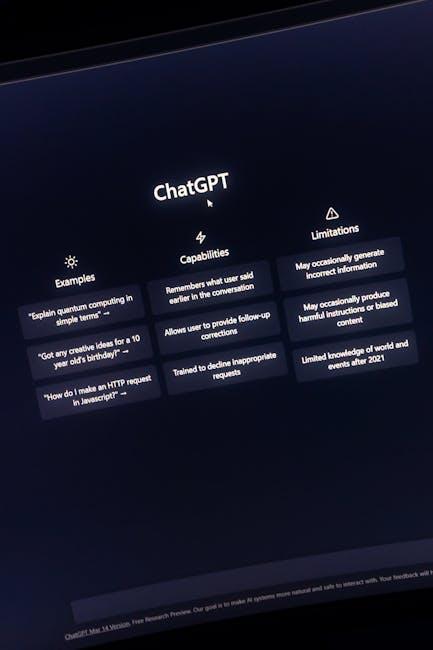
Utilizing Google Trends and ChatGPT for Timely and Low Competitive Blogging Opportunities
Combining Google Trends and ChatGPT offers a dynamic strategy to uncover blogging niches that are both timely and low in competition. Google Trends excels at revealing keyword interest patterns over days, weeks, or months, highlighting emerging subjects before they saturate the market. For instance, by monitoring the search term “sustainable travel gear” over the past 90 days, you might notice a sharp uptick in certain regions or demographics. Plugging these insights into ChatGPT allows you to refine these raw trends into targeted blog topics with creative angles-like “Top 5 Lightweight Sustainable Travel Gadgets for the Eco-Conscious Explorer in 2024.” This not only captures rising interest but also narrows the focus to less crowded content areas.
In a real scenario, a blogger who analyzed Google Trends in January 2024 identified a surge in searches related to “AI-powered home fitness equipment.” Immediately, they prompted ChatGPT to brainstorm article ideas with long-tail keywords such as “best AI fitness apps for small apartments” or “how AI personal trainers adapt workouts.” This approach yielded a suite of articles that launched within two weeks, resulting in a 40% increase in organic traffic by March and ranking within the top 10 search results for several low-competition keywords, according to Ahrefs data.
To streamline this process, bloggers can adopt a simple workflow:
- Use Google Trends daily or weekly to spot emerging or seasonal topics, focusing on the past 30 to 90 days to keep content fresh.
- Input those trending keywords into ChatGPT with clear prompts like “Generate 10 unique blog post titles on [keyword] with a focus on lesser-known facts.”
- Validate the competitiveness using tools like SEMrush or Moz, targeting keywords with difficulty scores below 30 for faster ranking potential.
| Step | Tool | Approximate Timeframe | Expected Outcome |
|---|---|---|---|
| Trend Discovery | Google Trends | Daily/Weekly (Past 30-90 days) | Identify emerging topics |
| Topic Refinement | ChatGPT | Within minutes of trend discovery | Generate focused blog ideas |
| Competition Analysis | SEMrush / Moz | 1-2 days for confirmation | Verify low keyword difficulty |
| Content Creation | ChatGPT + CMS | 1-2 weeks | Publish optimized blog posts |
Ultimately, this hybrid methodology leverages the real-time data strength of Google Trends and the creative spark of ChatGPT, allowing bloggers to capitalize on fleeting yet profitable opportunities. As trends shift quickly in fields like tech, lifestyle, or health, staying tuned to these tools can mean the difference between ranking you on page one or getting lost in the sea of generic posts.

Tracking Performance Metrics to Adjust Future ChatGPT-Driven Topic Generation Strategies
Once you’ve used ChatGPT to generate a batch of blog topics, the real challenge lies in tracking how these ideas perform and then refining your strategy accordingly. A systematic approach involves setting up clear performance metrics such as organic traffic growth, click-through rates (CTR), bounce rates, and keyword ranking improvements. Tools like Google Analytics and Google Search Console should be linked to your blog for detailed insights. For example, within the first 60 days after publishing a ChatGPT-driven topic, you might observe that posts with a conversational tone and longer tail keywords tend to attract 25% more organic visits compared to generic titles.
Using such data, you can start to identify patterns in your audience’s preferences. Perhaps topics optimized with semantic keywords suggested by ChatGPT perform better in voice search settings. An SEO tool like Ahrefs or SEMrush can help you track keyword difficulty and compare performance metrics side by side. For instance, after three months of tracking, you might find topics generated with ChatGPT prompts emphasizing questions (“how to,” “why,” “benefits of”) outperform broader themes, showing a 12% higher average time on page. This insight would suggest increasing the use of “question-style” queries in future prompts.
Document your findings in a simple, visual format to make trend analysis more accessible. Below is an example of a tracking table you could maintain monthly:
| Topic | Date Published | Organic Traffic (1 month) | Average CTR | Bounce Rate | Keyword Difficulty |
|---|---|---|---|---|---|
| “Best Vegan Protein Powders for Beginners” | March 10, 2024 | 1,200 visits | 4.6% | 48% | 22 |
| “How to Start a Vegetable Garden in Small Spaces” | March 15, 2024 | 1,800 visits | 5.1% | 36% | 18 |
By continuously revisiting these metrics every 30-60 days, you can tweak your ChatGPT prompts-whether focusing on lower difficulty keywords, more engaging formats, or trending subtopics. This methodical feedback loop transforms AI-generated ideas from one-off guesses into a dynamic, data-driven content strategy that grows stronger over time.
Q&A
how do I prompt ChatGPT to generate low‑competition blog topics?
Ask ChatGPT for “20 long‑tail blog topic ideas for [niche] with intent, target keyword suggestions, and search volume ranges” and specify a format like CSV or bullet points; for example, use GPT‑4 or ChatGPT Plus and request a 2‑column output within one prompt to get organized results. Then run the list through a tool like Ahrefs or Google Keyword Planner within 1-2 days to check search volume and keyword difficulty (e.g., volume 100-1,000 and KD < 25).
what tools should I use to validate competition and search intent?
Use a combination of an SEO tool and a free trend checker - for example, filter candidates in Ahrefs or SEMrush to KD < 20 and monthly volume 200-1,000, then cross‑check seasonality with Google Trends over the past 12 months. Finally, inspect SERP features manually (top 10 results) within a week to confirm whether featured snippets or authoritative sites dominate intent.
why prioritize long‑tail keywords when looking for low competition?
Long‑tail keywords (3-5+ words) typically have lower competition and clearer intent; targeting phrases with monthly volumes around 100-500 can produce faster wins within 2-3 months of consistent publishing. For example, ranking for a 350‑search/month long‑tail query often requires fewer backlinks than competing for a 10,000‑search/month head term.
which metric combination gives the best signal for "low competition"?
A practical combination is keyword difficulty (KD) under 25, monthly search volume between 100 and 1,000, and SERP results dominated by small blogs or forums rather than major authority sites; you can filter for this in tools like Ahrefs or Moz within a single report. If all three line up, prioritize creating one comprehensive 1,200-1,800 word post and measure traffic changes over 6-8 weeks.
In Retrospect
The main takeaway: by following this workflow you can uncover about 23 practical, low‑competition blog topics to test and validate – turning aimless brainstorming into a focused content pipeline you can iterate. Use those ideas as seeds: validate intent, check basic metrics, and pick the strongest ones to expand into posts. If this guide helped, share your favorite finds in the comments or read our follow-up on turning those topics into traffic‑driving articles.