
In the rapidly evolving landscape of business, understanding your competitors is no longer a matter of intuition or sporadic market scans. Today, artificial intelligence has emerged as a powerful ally, transforming the way companies gather and analyze competitive intelligence. By harnessing AI-driven tools and techniques, businesses can uncover hidden patterns, predict trends, and make data-informed decisions with unprecedented precision. This article explores how to leverage AI to research your competitors effectively, turning vast amounts of information into actionable insights that can sharpen your strategic edge.
Table of Contents
- Harnessing AI for Deep Competitor Analysis
- Leveraging Machine Learning to Uncover Market Trends and Strategies
- Practical AI Tools and Techniques for Real-Time Competitive Intelligence
- Q&A
- Key Takeaways
Harnessing AI for Deep Competitor Analysis
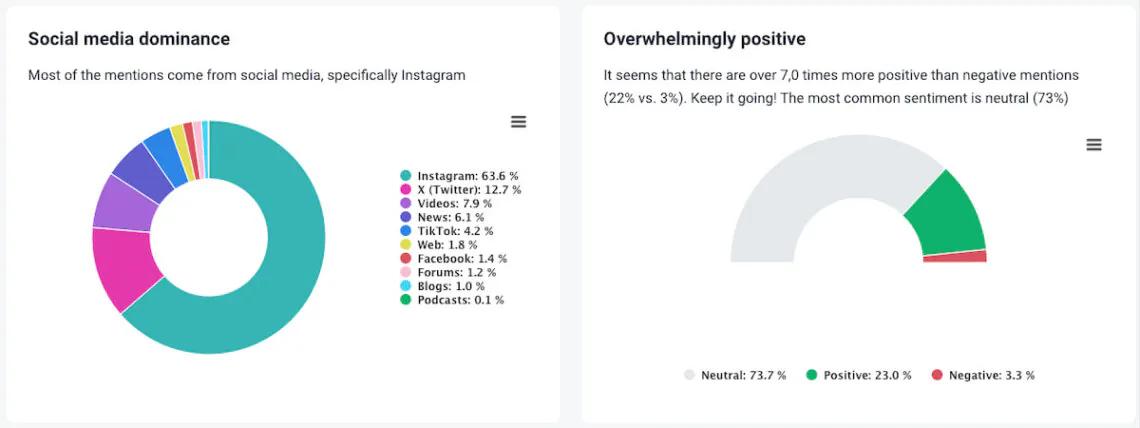
Artificial Intelligence revolutionizes competitor analysis by transforming vast, chaotic data into sharp, actionable insights. With AI-powered tools, you can effortlessly scan social media trends, monitor pricing shifts, and evaluate customer sentiment in real time-enabling smarter strategy adjustments on the fly. These technologies go beyond mere data collection; they uncover hidden patterns through advanced predictive analytics, offering a precise understanding of where competitors might move next. Here’s what you gain by integrating AI into your competitive research toolkit:
- Instant market sentiment analysis by processing millions of online reviews and social mentions.
- Automated keyword and content gap identification to spot opportunities competitors overlook.
- Visual data summaries that highlight trends without drowning you in numbers.
| AI Feature | Benefit | Outcome |
|---|---|---|
| Natural Language Processing | Understand competitor messaging | Craft sharper marketing pitches |
| Machine Learning Algorithms | Predict pricing strategies | Stay competitively priced |
| Sentiment Analysis | Gauge customer loyalty | Improve product features |
Leveraging Machine Learning to Uncover Market Trends and Strategies
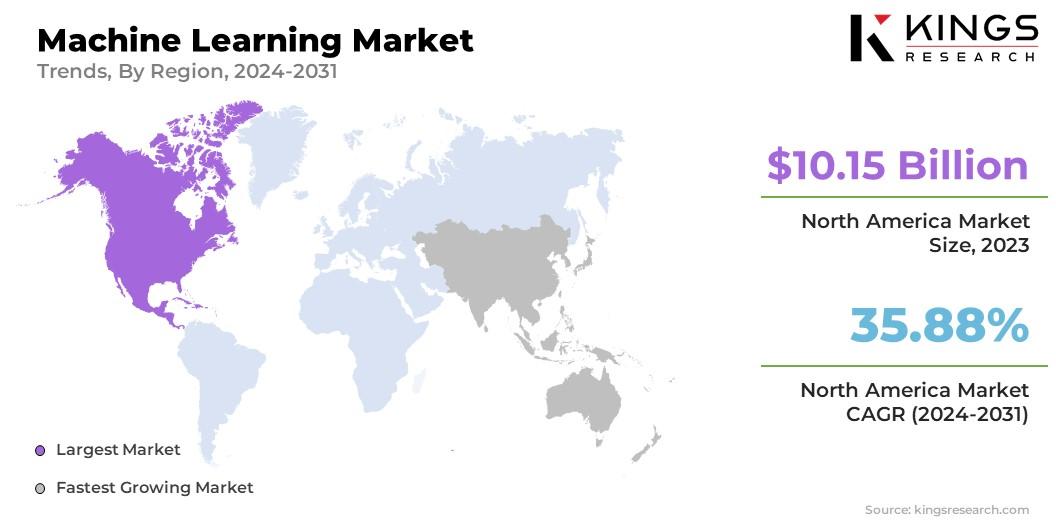
Machine learning empowers businesses to dive deep into vast datasets, revealing patterns and insights invisible to the naked eye. By analyzing competitors’ digital footprints-social media posts, pricing strategies, customer reviews, and marketing campaigns-algorithms can pinpoint emerging trends and shifts in consumer behavior. Key advantages include:
- Automated sentiment analysis to gauge public perception
- Real-time tracking of product launches and promotional activities
- Forecasting competitor moves through predictive modeling
- Identifying gaps in the market ripe for innovation
| Data Source | Machine Learning Application | Business Benefit |
|---|---|---|
| Social Media | Sentiment & Trend Analysis | Adapt marketing messages quickly |
| Pricing Data | Dynamic Pricing Models | Stay competitive and optimize profits |
| Customer Reviews | Topic Modeling | Enhance product features & satisfaction |
| Ad Campaigns | Performance Prediction | Allocate budget efficiently |

Practical AI Tools and Techniques for Real-Time Competitive Intelligence
Harnessing the power of AI for competitive intelligence enables businesses to stay several steps ahead by continuously monitoring market shifts and competitor movements. Among the most effective tools are natural language processing (NLP) systems that scan news sources and social media for sentiment analysis, helping you detect emerging trends or potential threats. Meanwhile, machine learning algorithms can synthesize vast amounts of business data-from financial reports to product launches-transforming raw numbers into actionable insights. Incorporate real-time dashboards that unify these insights, empowering strategic decisions with instant clarity. Below is a sample breakdown of AI tools frequently used for different facets of competitive intelligence:
| AI Tool Type | Primary Function | Benefit |
|---|---|---|
| Sentiment Analysis | Monitors social and news sentiment | Early detection of market perception shifts |
| Predictive Analytics | Forecasts competitor strategy outcomes | Proactive adjustment of business tactics |
| Data Aggregators | Collect and unify diverse company data | Comprehensive competitor profiles |
| Visual Recognition | Tracks competitor branding and advertisements | Insight on marketing strategies |
- Automate routine monitoring to free up valuable analysis time.
- Customize alerts based on competitor activities most relevant to your niche.
- Integrate AI insights with human expertise for balanced, strategic decisions.
Q&A
Q&A: How to Use AI to Research Your Competitors
Q1: Why should I use AI to research my competitors?
A1: AI can process vast amounts of data quickly and uncover patterns that might take humans days or weeks to find. This means you get deeper insights into your competitors’ strategies, strengths, and weaknesses, helping you make smarter business decisions.
Q2: What types of competitor information can AI help uncover?
A2: AI tools can analyze competitor pricing, marketing strategies, customer reviews, social media activity, product launches, and even sentiment analysis. This helps you see what customers like or dislike about their offerings, and spot emerging trends.
Q3: Do I need programming skills to use AI for competitor research?
A3: Not necessarily. Many AI-powered platforms offer user-friendly interfaces designed for business users without coding experience. From chatbots that answer your questions to drag-and-drop analytics tools, AI is becoming accessible to everyone.
Q4: How accurate are AI insights compared to traditional research methods?
A4: AI can be highly accurate, especially when fed high-quality data. It excels at detecting subtle trends and flagging anomalies that humans might miss. However, it’s important to validate AI insights with your own contextual understanding and not rely solely on automated analysis.
Q5: Are there any ethical concerns when using AI for competitive research?
A5: Yes, it’s crucial to respect privacy laws and avoid scraping or using data unethically. Good AI research focuses on public, legally available information and does not engage in espionage or deceptive tactics.
Q6: Can AI predict what my competitors will do next?
A6: AI can identify patterns and forecast trends based on historical data, which can help predict possible moves your competitors might make. However, predictions are probabilistic, not certain – so use them as a guide rather than a crystal ball.
Q7: How can small businesses without big budgets benefit from AI in competitor research?
A7: Many AI tools offer scalable pricing or free tiers ideal for small businesses. Even basic AI-powered social listening and web analytics tools can provide significant competitive insights without the need for hefty investments.
Q8: What’s the first step to start using AI for competitor research?
A8: Begin by defining your research goals-what information do you need and why? Then choose AI tools that fit your needs and data sources. Start small by analyzing a few key competitors and gradually expand your insights.
Q9: How often should I use AI to update competitor insights?
A9: Competitor landscapes evolve rapidly. Using AI regularly-weekly or monthly-can keep you informed of new developments in real time, allowing you to adapt strategies faster than rivals.
Q10: What’s a creative way to leverage AI findings about competitors?
A10: Use AI-driven insights to craft compelling marketing messages that highlight gaps competitors haven’t addressed, or to innovate product features based on customer pain points identified through AI sentiment analysis. The possibilities are as creative as your business ideas!
Key Takeaways
In the ever-evolving landscape of business, harnessing AI to peer into your competitors’ strategies is no longer a luxury-it’s a necessity. By combining sharp human insight with the relentless efficiency of AI, you can uncover trends, anticipate moves, and carve out your own path to success. As you embark on this journey, remember that AI is a tool-a powerful ally that amplifies your research but doesn’t replace the critical thinking and creativity that drive innovation. Embrace this partnership, and let it illuminate the hidden corners of your market, turning competitor knowledge into a catalyst for your next breakthrough.