
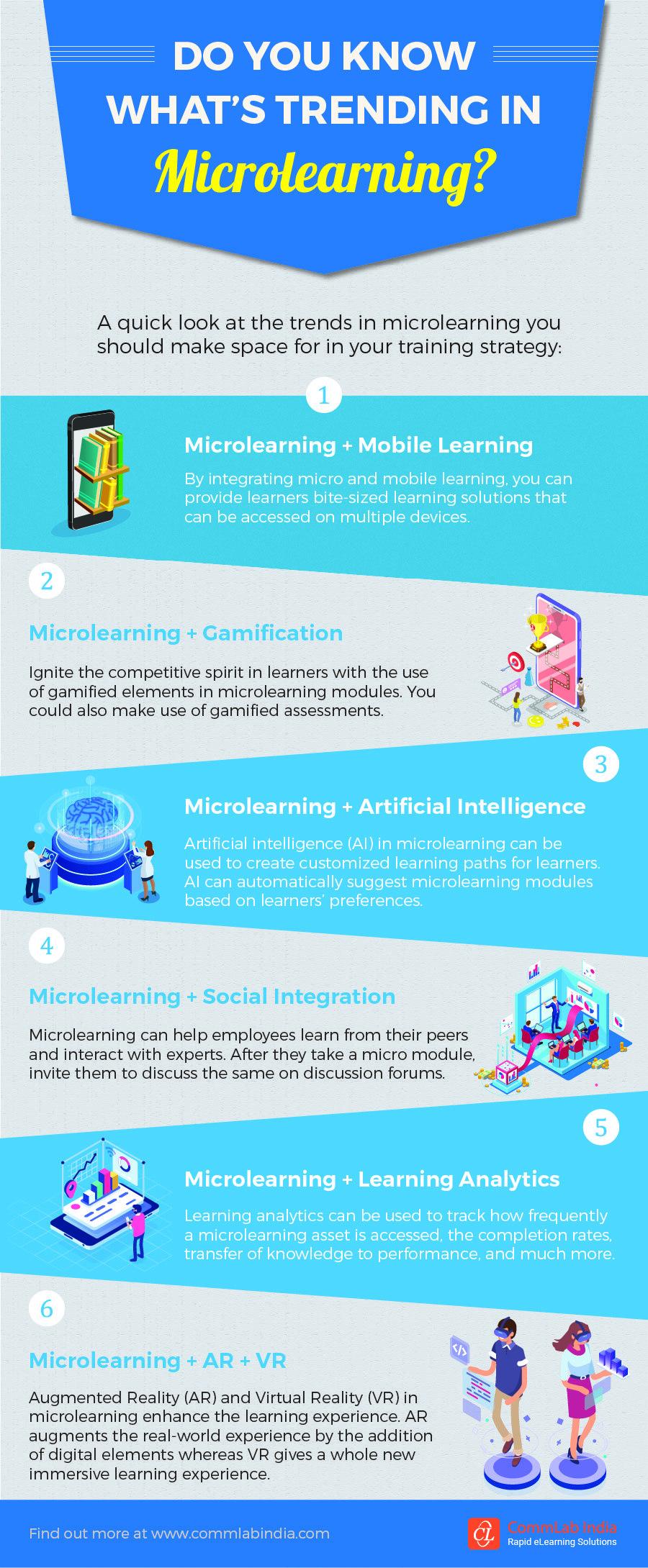
In today’s fast-paced world, learning in bite-sized chunks has become more than a trend-it’s a necessity. Microlearning offers a dynamic way to absorb information quickly, efficiently, and on-demand. But as the demand for personalized, engaging content grows, so does the challenge of creating it at scale. Enter artificial intelligence: a powerful ally transforming the way educators and trainers design microlearning materials. This article explores how AI can be harnessed to craft concise, impactful learning experiences that fit seamlessly into busy lives, unlocking new possibilities for education and professional development.
Table of Contents
- Harnessing AI for Personalized Microlearning Experiences
- Designing Bite-Sized Content with AI-Driven Insights
- Maximizing Engagement through Adaptive Learning Technologies
- Q&A
- In Retrospect
Harnessing AI for Personalized Microlearning Experiences
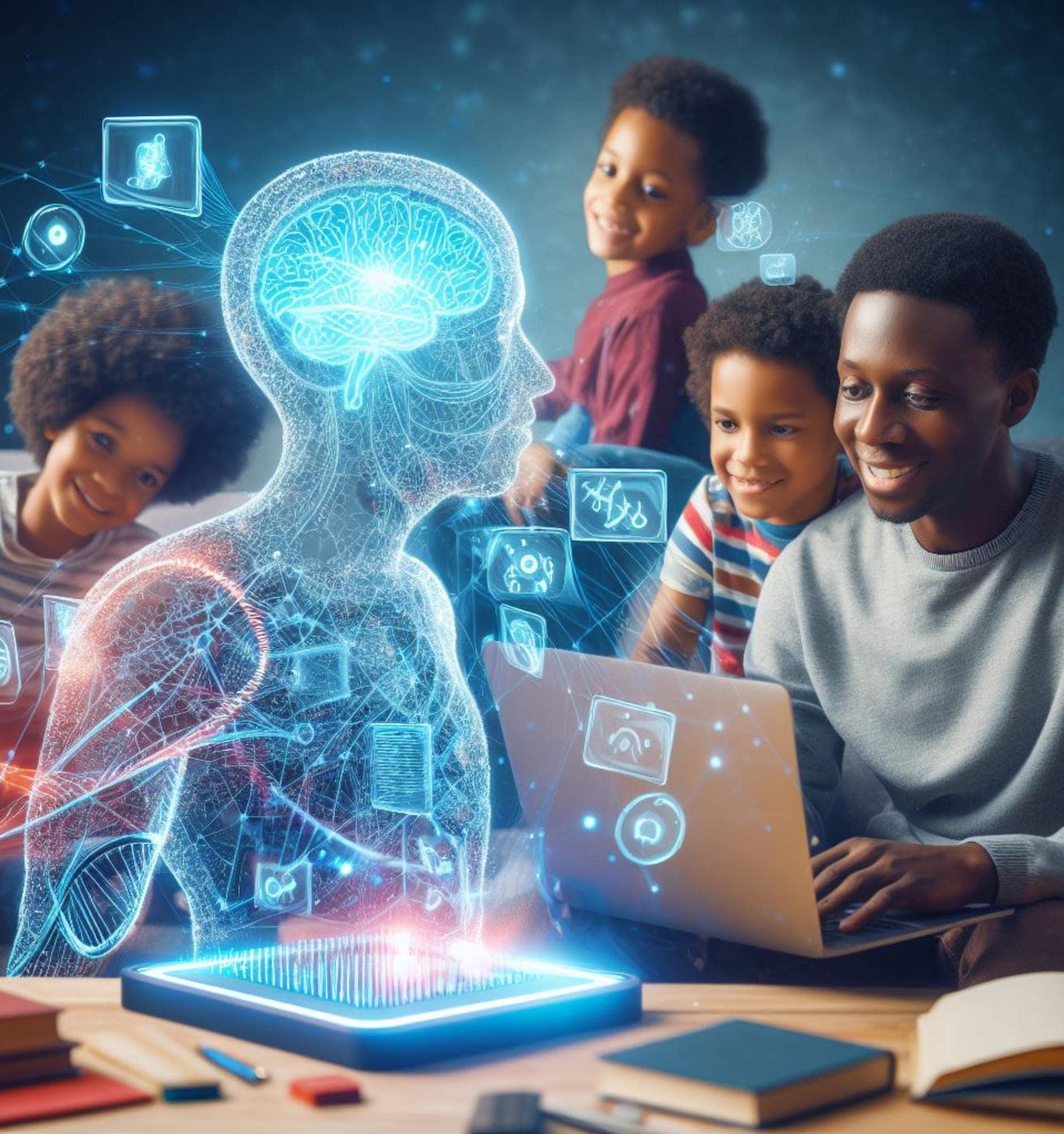
At the heart of truly impactful microlearning lies the capacity to tailor every byte of knowledge to the individual learner’s pace, preferences, and goals. AI-powered tools analyze user behavior, performance trends, and even emotional feedback to craft personalized educational nuggets that evolve dynamically. This customization empowers learners to:
- Access content aligned with their current skill gaps and strengths
- Receive timely prompts that reinforce retention when knowledge fades
- Engage with formats – videos, quizzes, simulations – best suited to their learning style
Integrating AI means microlearning shifts from generic lessons to a smart companion that anticipates, adapts, and accelerates the learner’s journey.
Designing Bite-Sized Content with AI-Driven Insights
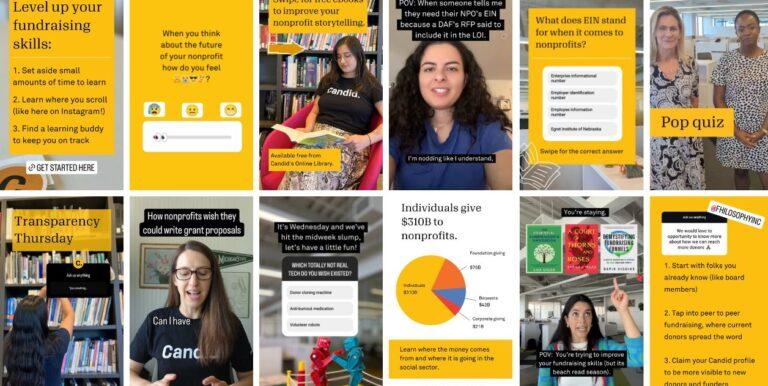
Harnessing AI-powered analytics allows creators to pinpoint the most engaging and digestible learning fragments easily. By analyzing user interaction data, AI identifies patterns in attention span and content retention that guide the crafting of microlearning modules. This precision fosters content personalization, ensuring topics are delivered in bite-sized chunks that align with learner preferences and cognitive load limits. Common strategies include:
- Segmenting complex subjects into targeted, single-concept lessons
- Using AI to generate concise summaries and quiz questions to reinforce key points
- Optimizing multimedia elements like visuals and audio based on engagement metrics
| AI Insight | Impact on Microlearning |
|---|---|
| Engagement Heatmaps | Highlight which segments capture most attention |
| Retention Scores | Identify and refine parts that need simplification |
| User Feedback Analysis | Inform personalized content adjustments |
Maximizing Engagement through Adaptive Learning Technologies
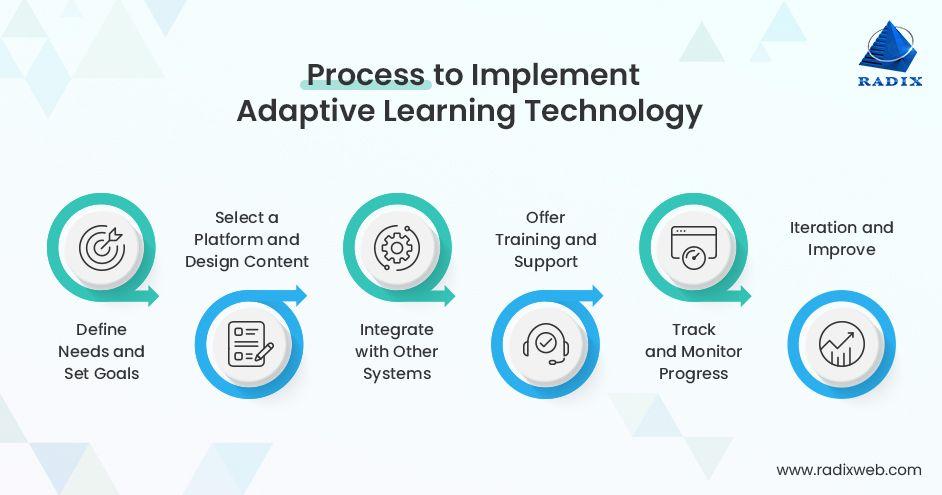
Harnessing the power of adaptive learning technologies transforms microlearning into a dynamic experience tailored to individual needs. By leveraging real-time data and AI-driven algorithms, content adjusts seamlessly to a learner’s pace, enhancing retention and motivation. Key strategies include:
- Analyzing learner interactions to personalize content delivery
- Incorporating multimedia elements to cater to diverse learning styles
- Utilizing spaced repetition to reinforce knowledge effectively
- Providing instant feedback to maintain engagement
| Adaptive Feature | Impact on Engagement | Example in Microlearning |
|---|---|---|
| Content Customization | Boosts relevance and interest | Topic suggestions based on quiz results |
| Progress Tracking | Encourages consistent participation | Visual dashboards showing milestones |
| Real-Time Feedback | Improves comprehension rapidly | Instant hints during challenges |
Q&A
Q: What exactly is microlearning content?
A: Microlearning content consists of small, focused learning units designed to teach specific skills or knowledge quickly and efficiently. Typically, these bite-sized lessons range from a few seconds to about 10 minutes, making learning easy to digest and fit into busy schedules.
Q: How can AI enhance the creation of microlearning content?
A: AI accelerates the content creation process by automating research, generating adaptable text, creating multimedia elements, and personalizing lessons to learner needs. This enables educators and trainers to produce targeted, engaging micro-lessons efficiently, removing many time-consuming barriers.
Q: What types of AI tools are best suited for microlearning development?
A: Natural Language Processing (NLP) models help generate clear, concise instructional text. AI-driven algorithms can create quizzes, summaries, and interactive scenarios. Additionally, AI-powered video and image generators craft visuals or animations, while analytics platforms personalize learning paths based on real-time data.
Q: How does AI support personalization in microlearning?
A: By analyzing learner behavior, preferences, and performance, AI can tailor content to meet individual needs-adjusting difficulty, suggesting supplementary material, or modifying pace. This creates a customized learning journey that maximizes engagement and retention.
Q: Can AI help in maintaining content quality and relevance?
A: Absolutely. AI systems can continuously monitor content usage and effectiveness, recommending updates or flagging outdated material. This dynamic feedback loop ensures microlearning remains accurate, current, and impactful over time.
Q: What steps should one follow to use AI effectively in creating microlearning content?
A: Start by clearly defining learning objectives. Next, employ AI tools to research and generate initial content drafts. Integrate multimedia elements using AI-driven design tools. Use AI analytics to personalize and refine the lessons based on user data. Finally, continuously evaluate with AI-powered feedback to keep the content fresh and effective.
Q: Are there any challenges or limitations to using AI for microlearning content creation?
A: While AI boosts efficiency, it may sometimes produce generic or contextually off content requiring human review. Ethical considerations around data privacy and algorithm bias must be managed carefully. Additionally, overreliance on AI can undercut the human creativity critical for truly inspiring learning experiences.
Q: How can educators and instructional designers balance AI and human input?
A: They should view AI as a powerful assistant, not a replacement. Human expertise is essential for setting pedagogical goals, curating content relevance, and injecting emotional intelligence and creativity. By combining AI’s capabilities with human judgment, microlearning content becomes both efficient and meaningful.
Q: What is the future outlook for AI-driven microlearning?
A: AI is set to revolutionize microlearning by making it more adaptive, immersive, and accessible worldwide. Emerging technologies like augmented reality (AR) and conversational AI promise even richer, interactive experiences. As these tools mature, personalized, on-demand learning will become a seamless part of everyday life.
In Retrospect
As the landscape of education continues to evolve, AI emerges as a powerful ally in crafting microlearning content that is not only efficient but also engaging and personalized. By harnessing AI’s ability to analyze data, generate tailored insights, and automate content creation, educators and organizations can unlock new possibilities for delivering knowledge in bite-sized, impactful moments. Embracing these tools doesn’t just streamline the learning process-it redefines how we approach growth and skill development in an ever-changing world. The future of microlearning is smart, adaptive, and within reach-are you ready to take the leap?





One Comment