
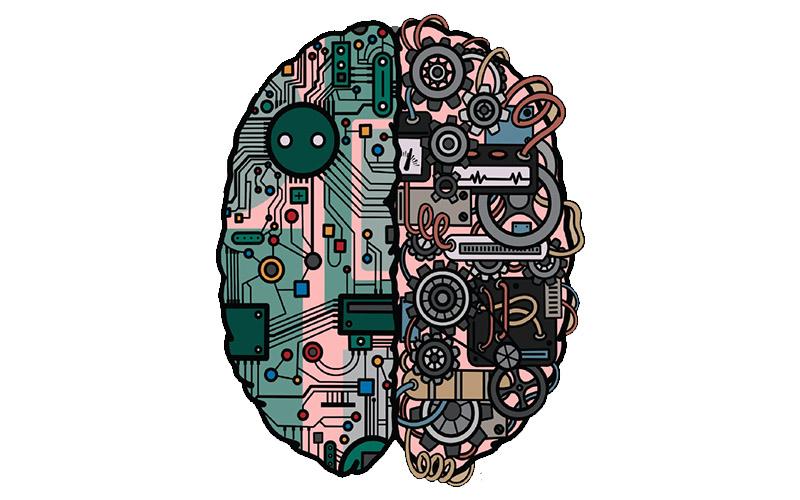
In the ever-evolving landscape of creativity, brainstorming remains a cornerstone of innovation. Yet, the traditional scramble of ideas can sometimes feel chaotic or limited by the bounds of human perspective. Enter artificial intelligence-a tool not just for automation, but for amplifying imagination. By merging human intuition with machine learning, AI transforms the brainstorming process into a smarter, more dynamic exercise. This article explores how harnessing AI can open new pathways to creativity, enabling individuals and teams to generate ideas with greater depth, diversity, and efficiency than ever before.
Table of Contents
- Harnessing AI Tools to Amplify Creative Thinking
- Integrating AI into Collaborative Brainstorming Sessions
- Practical Tips for Leveraging AI to Generate Innovative Ideas
- Q&A
- Wrapping Up
Harnessing AI Tools to Amplify Creative Thinking
Integrating AI into your brainstorming sessions can transform the way ideas flow, turning abstract concepts into tangible possibilities. By leveraging tools that analyze patterns, generate diverse suggestions, and even predict outcomes, you can break free from mental blocks and explore new creative territories. Consider using AI for:
- Idea Expansion: AI prompts that push the boundaries of initial thoughts.
- Trend Analysis: Insights from vast data to inspire timely innovation.
- Collaboration Enhancement: Real-time feedback and engagement with virtual assistants.
| AI Feature | Benefit | Example Tool |
|---|---|---|
| Creative Prompt Generator | Stimulates unique directions | ChatGPT |
| Semantic Analysis | Detects underlying idea connections | IBM Watson |
| Visual Inspiration | Creates mood boards from keywords | Canva AI |

Integrating AI into Collaborative Brainstorming Sessions
Harnessing AI in team brainstorming transforms the way ideas flow and evolve. AI tools can analyze input in real-time, offering suggestions that challenge conventional thinking or expand on emerging concepts. This synergy allows diverse perspectives to merge effortlessly, creating a dynamic environment where creativity is amplified. Key benefits include:
- Instant idea synthesis that connects disparate thoughts
- Elimination of cognitive biases by introducing fresh data-driven insights
- Structured follow-ups crafted through AI-generated action plans
To visualize impact, consider the following comparison:
| Traditional Brainstorming | AI-Enhanced Sessions |
|---|---|
| Human-only idea generation | Hybrid human-AI collaboration |
| Potentially limited perspectives | Broader insights from data-driven inputs |
| Manual note-taking and follow-ups | Automated documentation and summarization |

Practical Tips for Leveraging AI to Generate Innovative Ideas
Harnessing AI’s full potential in idea generation requires a blend of strategy and creativity. Start by defining your problem clearly to guide the AI tool effectively. Experiment with diverse AI platforms to uncover unique perspectives, and keep your prompts detailed yet open-ended to spark innovative outputs. Integrate AI suggestions with human intuition-don’t accept ideas at face value; instead, polish and adapt them to fit your vision. Regularly review patterns in AI-generated concepts to identify unexpected trends or themes. Here are some actionable steps to enhance your brainstorming sessions:
- Use varied prompt formats: Questions, scenarios, or “what if” statements can lead to richer ideas.
- Combine AI outputs: Merge different AI responses to create hybrid solutions.
- Set iteration cycles: Refine and rerun prompts to gradually improve ideas.
- Collaborate with teams: Share AI insights to spur collective creativity.
Q&A
Q: What is the role of AI in brainstorming sessions?
A: AI acts as a dynamic catalyst during brainstorming, generating fresh ideas, uncovering hidden patterns, and offering diverse perspectives. It helps break creative blocks and enriches the ideation process by supplying data-driven inspiration tailored to your project’s needs.
Q: How can I start integrating AI into my brainstorming workflow?
A: Begin by selecting AI-powered tools designed for creative collaboration, such as idea generators, mind-mapping applications, or language models. Input your core topic or challenge, then let the AI suggest related ideas or questions to spark new directions. Combining AI outputs with human judgment ensures balanced innovation.
Q: Does using AI in brainstorming limit originality?
A: Not at all. AI serves to expand your creative horizons rather than restrict them. It provides a scaffold of ideas that you can remix, adapt, or challenge. The human touch remains essential for injecting authenticity, intuition, and context into the process.
Q: What types of brainstorming can benefit most from AI support?
A: AI is versatile across individual and group sessions, whether generating marketing concepts, product features, problem-solving strategies, or creative writing prompts. It excels in handling vast information quickly, making it ideal for complex or data-heavy topics.
Q: How do I ensure the ideas generated by AI remain relevant and practical?
A: Frame your prompts clearly and provide context to guide the AI toward useful suggestions. Evaluate AI-generated ideas critically, considering feasibility, alignment with goals, and ethical considerations. Iterative refinement and blending AI input with human creativity create effective outcomes.
Q: Can AI help overcome common brainstorming challenges like groupthink or idea fatigue?
A: Yes. AI introduces novelty by surfacing unexpected connections and alternative viewpoints, helping teams avoid repetitive thinking. It can also sustain momentum by consistently supplying new stimuli when energy or inspiration wanes.
Q: What precautions should I take when using AI in brainstorming?
A: Be mindful of data privacy and biases inherent in AI models. Use AI as a complementary tool rather than a sole source of creativity. Encourage open dialogue among participants to interpret, expand, or challenge AI suggestions responsibly.
Q: How might AI-powered brainstorming evolve in the near future?
A: Advances in natural language understanding and multimodal AI will enable more intuitive, context-aware collaboration. Future systems may blend real-time human input with AI insights seamlessly, fostering deeply interactive and personalized creative environments.
Wrapping Up
As the boundary between human creativity and artificial intelligence continues to blur, using AI for smarter brainstorming is no longer a futuristic concept-it’s a present-day reality. By embracing these intelligent tools, we can unlock new layers of inspiration, challenge assumptions, and navigate complex ideas with greater ease. Whether you’re a solo thinker or part of a collaborative team, integrating AI into your brainstorming process invites a fresh perspective, amplifies your creative potential, and transforms the way ideas take shape. So next time you face a blank page or a brainstorming block, remember: the spark of innovation might just be a few algorithms away.






One Comment