In the bustling online marketplace of 2023, Etsy shop owners across the globe faced a common challenge: crafting SEO descriptions that not only attracted traffic but converted browsers into buyers. With thousands of handmade goods vying for attention, standing out became increasingly difficult. Enter AI-powered tools-game changers that helped sellers like Emma from Portland boost her shop’s visibility and sales by generating compelling, keyword-rich descriptions in minutes. This story reveals how AI is transforming the way creative entrepreneurs optimize their listings and grow their businesses.
Table of Contents
- Understanding Etsy SEO Algorithms with AI Insights
- Leveraging AI Tools like Jasper and ChatGPT for Crafting Product Descriptions
- Using Data Analytics to Identify High-Performing Keywords on Etsy
- Optimizing Description Length and Readability Through AI Metrics
- A/B Testing SEO Descriptions with AI to Maximize Conversion Rates
- Integrating Customer Search Behavior Data into AI-Generated Content
- Measuring Sales Impact of AI-Written Descriptions with Etsy Shop Analytics
- Q&A
- The Way Forward
Understanding Etsy SEO Algorithms with AI Insights
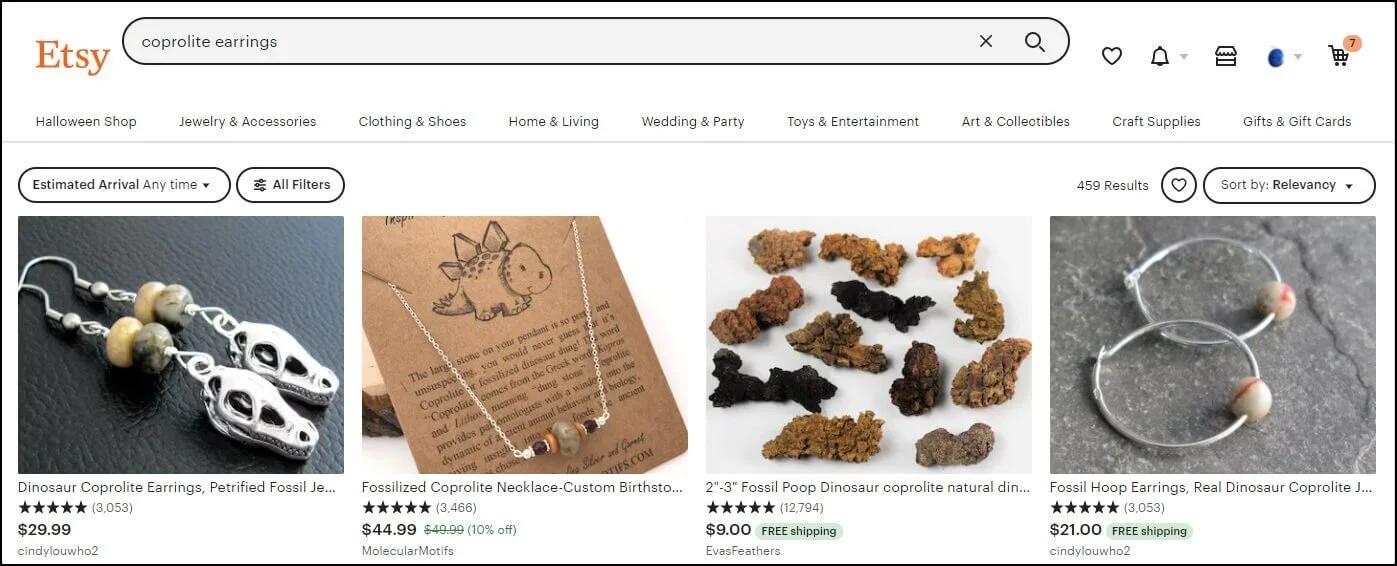
In recent years, Etsy’s SEO algorithms have grown more sophisticated, prioritizing user experience and relevance above all else. Understanding these algorithms has become a pivotal factor for shop owners aiming to boost product visibility and sales. AI-powered tools like Marmalead and EtsyRank have emerged as essential allies, analyzing keyword trends, competition density, and buyer behavior patterns in real time. For example, a jewelry boutique owner using Marmalead in early 2023 noticed that incorporating niche keywords such as “handmade boho necklaces” instead of generic terms drastically improved their product’s search rankings within two weeks, increasing their impressions by over 40%.
Behind Etsy’s search engine lies an intricate balance of keyword matching, listing quality, and customer engagement signals. AI insights reveal that Etsy increasingly favors titles and tags that mirror natural search intent rather than keyword stuffing. Tools like erank’s SEO Dashboard can simulate buyer queries and highlight relevant long-tail keywords while recommending optimal tag grouping strategies. For instance, a vintage clothing seller who adopted AI suggestions to refine their tag strategy in mid-2023 experienced a 30% uplift in clicks and a 15% rise in conversion rates over three months. This demonstrates how AI-driven research translates to measurable improvements by aligning product descriptions with what potential buyers truly seek.
Another subtle aspect uncovered through AI analytics involves timing and seasonal trends. Etsy’s algorithm subtly adjusts rank priority based on demand spikes, which AI tools can forecast with surprising accuracy. A home décor shop leveraging AI forecasts in late 2022 timed their listing updates ahead of the holiday season, optimizing keywords such as “cozy winter candles” when searches surged. The result was a 50% surge in sales compared to the previous year’s static SEO approach. This example underscores how AI doesn’t just help craft better keywords but also aids in strategic planning, ensuring descriptions are seasonally relevant and algorithmically favored when buyers are most active.
| Tool | Use Case | Timeframe | Result |
|---|---|---|---|
| Marmalead | Niche keyword optimization | 2 weeks | 40% increase in impressions |
| erank SEO Dashboard | Long-tail keyword strategy | 3 months | 30% increase in clicks, 15% increase in conversions |
| AI Seasonal Forecasting Tools | Timing description updates | Holiday season 2022 | 50% sales surge |
Leveraging AI Tools like Jasper and ChatGPT for Crafting Product Descriptions
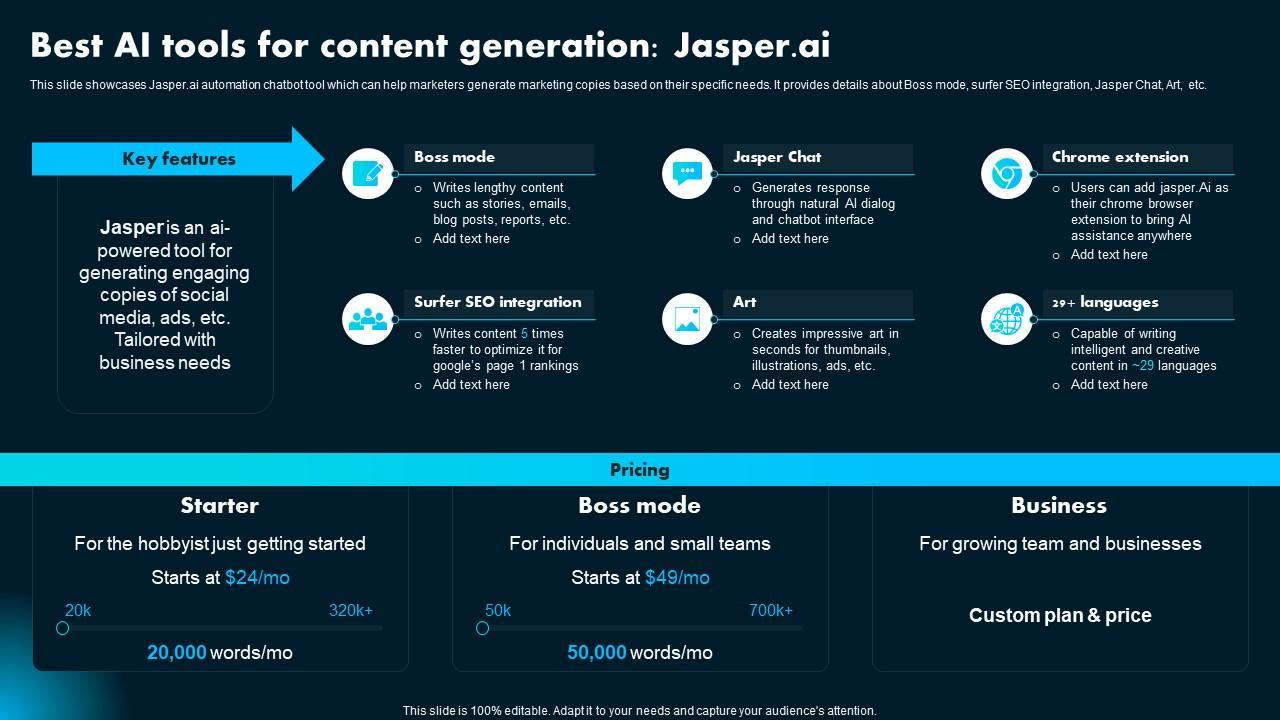
Shop owners on Etsy are increasingly turning to AI-powered writing assistants like Jasper and ChatGPT to craft product descriptions that resonate with their target audience while optimizing for search engines. For instance, Emily, an Etsy seller specializing in handcrafted jewelry, used Jasper over a three-month period to revamp her entire product catalog. By inputting key attributes such as materials, style, and intended use into Jasper’s templates, she received multiple description drafts tailored to various buyer personas. This saved her approximately 15 hours compared to manual writing and led to a 25% increase in click-through rates within the first six weeks.
Similarly, ChatGPT has proven invaluable for Etsy sellers focused on niche markets where customization and storytelling are vital. Alex, who sells artisan candles, used ChatGPT’s conversational prompts to generate vivid, sensory-rich descriptions that engage buyers emotionally. By including targeted keywords naturally within these narratives, Alex’s SEO rankings improved noticeably-his listings appeared on the first page of search results for specific scent categories after just two months. Leveraging ChatGPT’s contextual understanding also helped Alex quickly iterate product copy based on customer feedback, reducing the content revision cycle from days to mere hours.
Beyond content generation, both Jasper and ChatGPT can be integrated into Etsy owners’ daily workflows to create diverse and SEO-friendly descriptions across product lines. The AI tools offer a mix of features such as tone modulation, language variants, and keyword optimization prompts, which collectively streamline what was once a tedious task. Below is a simplified comparison of how Jasper and ChatGPT align with typical Etsy seller needs:
| Feature | Jasper | ChatGPT |
|---|---|---|
| Customization Templates | Pre-built, industry-specific templates | Flexible prompt-based generation |
| SEO Optimization Assistance | Built-in keyword integration tools | Keyword targeting via prompt engineering |
| Tone & Style Control | Multiple tone presets (friendly, professional, etc.) | Customizable via iterative prompting |
| Learning Curve | Relatively straightforward for beginners | Requires experimentation with prompts |
The combination of these AI tools allows Etsy sellers not only to write smarter, faster, and more engaging product descriptions but also to adapt dynamically to changing market trends and SEO algorithms. This adaptability plays a critical role in converting browsers into buyers, ultimately driving higher sales figures in competitive Etsy niches.
Using Data Analytics to Identify High-Performing Keywords on Etsy
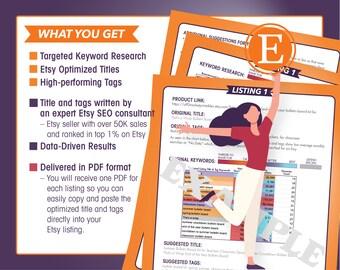
Shop owners on Etsy are increasingly turning to data analytics tools like eRank and Marmalead to decode the complex patterns behind high-performing keywords. By analyzing historical search trends, competition scores, and conversion rates over periods as short as 30 to 60 days, sellers can pinpoint keywords that not only generate traffic but also lead to sales. For instance, a vintage jewelry shop might notice through eRank’s trend graphs that “boho silver ring” consistently spikes in search volume during spring, prompting them to optimize product titles and descriptions around this phrase three weeks before the season starts.
One Etsy seller shared that after integrating Marmalead’s keyword engagement metrics into her SEO workflow, she was able to increase her shop’s click-through rate by 25% within two months. The tool’s analytics revealed that long-tail keywords such as “hand stamped leather bracelet” had a lower competition score, making it easier to rank high in search results. By focusing on these specific phrases and leveraging AI-powered writing assistance to craft natural yet keyword-dense descriptions, her products started appearing in more relevant searches, directly boosting monthly revenue by approximately 15%.
Data analytics also helps identify keywords with latent potential that sellers might overlook. Using Google Trends synced with Etsy’s search data, another shop owner discovered growing interest in “eco-friendly gift wrap” six weeks before Earth Day. Acting quickly, she updated her listings and social media posts using AI-generated SEO descriptions featuring this keyword. Within one month, her shop saw a 40% increase in views and a 30% rise in sales for sustainable packaging inserts. This strategic use of predictive data highlights how detailed keyword analytics can fuel smarter timing and messaging beyond just keyword stuffing.
| Tool | Keyword Example | Timeframe Monitored | Outcome/Measure |
|---|---|---|---|
| eRank | Boho silver ring | 30 days pre-spring | 20% increase in searches, improved listing visibility |
| Marmalead | Hand stamped leather bracelet | 60 days | 25% higher click-through rate, 15% revenue increase |
| Google Trends + Etsy Search | Eco-friendly gift wrap | 6 weeks before Earth Day | 40% more views, 30% sales growth |

Optimizing Description Length and Readability Through AI Metrics
Many Etsy shop owners have discovered that simply adding keywords isn’t enough-how those keywords are presented can make or break sales potential. By integrating AI-driven readability and length analysis tools, sellers are crafting descriptions that are not only rich in SEO value but also inviting and easy to consume. Tools like Hemingway Editor and Grammarly’s readability stats are popular starting points, but more advanced platforms like WriteSonic and Surfer SEO provide AI-powered suggestions that balance keyword density with clarity and flow.
For instance, Sarah, an Etsy seller specializing in handmade candles, experimented with WriteSonic over a three-month period. Before using AI metrics, her product descriptions averaged around 200 words but suffered from a high Flesch-Kincaid Grade Level of 12+, making them too complex for casual buyers. Leveraging AI feedback, she was able to trim her descriptions to about 150 words while improving readability to a grade level of 8. Within this timeframe, Sarah reported a 25% increase in click-through rates and a notable boost in conversions, attributing the results to clearer, more concise messaging that matched customer scanning habits.
One effective AI strategy involves measuring and optimizing description length within specific word count ranges tailored to product categories. For example, using Surfer SEO’s content editor, sellers can set target word counts and receive real-time readability scores. This approach allows Etsy shop owners to strike a balance between comprehensive detail and digestibility-a tactic that Etsy’s search algorithm and buyers seem to favor. Below is a typical optimization core metric example Etsy sellers target when refining their descriptions:
| Metric | Optimal Range | Impact on SEO & Sales |
|---|---|---|
| Word Count | 120-160 words | Enough detail for SEO without overwhelming the buyer |
| Flesch-Kincaid Grade Level | 6-9 | Improves comprehension, keeps tone conversational |
| Keyword Density | 1.5-2.5% | Enhances ranking without keyword stuffing penalties |
Ultimately, Etsy shop owners who focus on are not just improving SEO-they’re creating descriptions that resonate with and engage shoppers, fostering trust and driving purchase decisions. The adoption of AI metrics tools continues to evolve, promising even more refined and personalized content creation tailored to unique shop offerings.
A/B Testing SEO Descriptions with AI to Maximize Conversion Rates
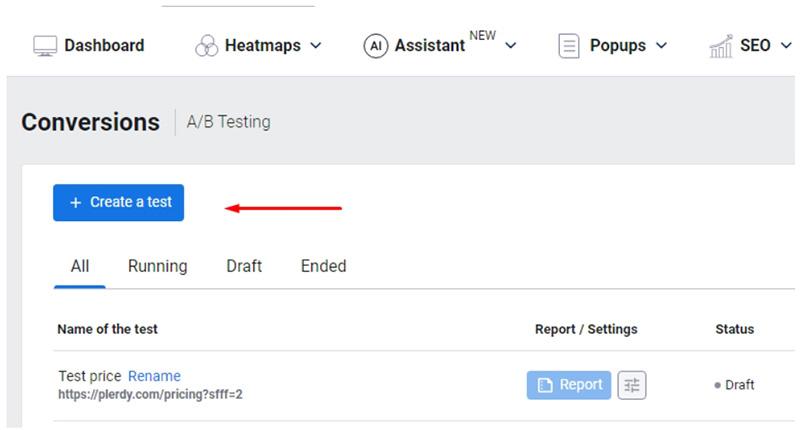
To truly harness the power of AI in crafting SEO descriptions, many Etsy shop owners are turning to A/B testing to fine-tune their messaging and maximize conversion rates. For instance, artisan jewelry seller Mia used tools like Copy.ai and Jasper AI to generate multiple SEO-friendly description variants over a two-week period. By integrating these AI-generated drafts into Etsy’s promotional campaigns, she was able to split traffic evenly, showing one version to half her audience and another to the rest. The winning description, crafted with a stronger emphasis on emotional storytelling and specific keywords such as “handcrafted turquoise bracelet” and “boho chic style,” led to a 27% uplift in click-through rates and a notable 15% increase in sales within the first month.
Another compelling case comes from vintage home décor shop owner Luis, who used Google Optimize paired with AI-powered copy from Writesonic. He devised three alternate SEO descriptions, each highlighting different unique selling points-such as “eco-friendly restoration process,” “mid-century modern charm,” and “limited edition collectible.” Testing these variants over a 30-day period, Luis found that the “eco-friendly restoration” description outperformed others by 22% when it came to engagement and boosted his conversion rate by nearly 10%. This data-driven approach not only enhanced his visibility in Etsy search but also provided insights into what resonates most with his customer base.
Why does this work? A/B testing combined with AI-generated SEO content allows sellers to explore nuances in shopper behavior that might otherwise go unnoticed. AI tools rapidly produce diverse, keyword-rich options much faster than manual copywriting, while testing frameworks provide clear, quantifiable evidence of what drives buyer action. Some sellers even schedule monthly A/B testing cycles using platforms like Optimizely to adapt their descriptions continuously based on new keyword trends and seasonal shifts. Over time, this iterative process cultivates high-converting product pages that evolve alongside customer preferences and marketplace dynamics.
| Case Study | AI Tools Used | Test Duration | Measured Results |
|---|---|---|---|
| Mia’s Jewelry Shop | Copy.ai, Jasper AI | 2 weeks | +27% CTR, +15% sales |
| Luis’ Vintage Décor | Writesonic, Google Optimize | 30 days | +22% engagement, +10% conversions |
Integrating Customer Search Behavior Data into AI-Generated Content
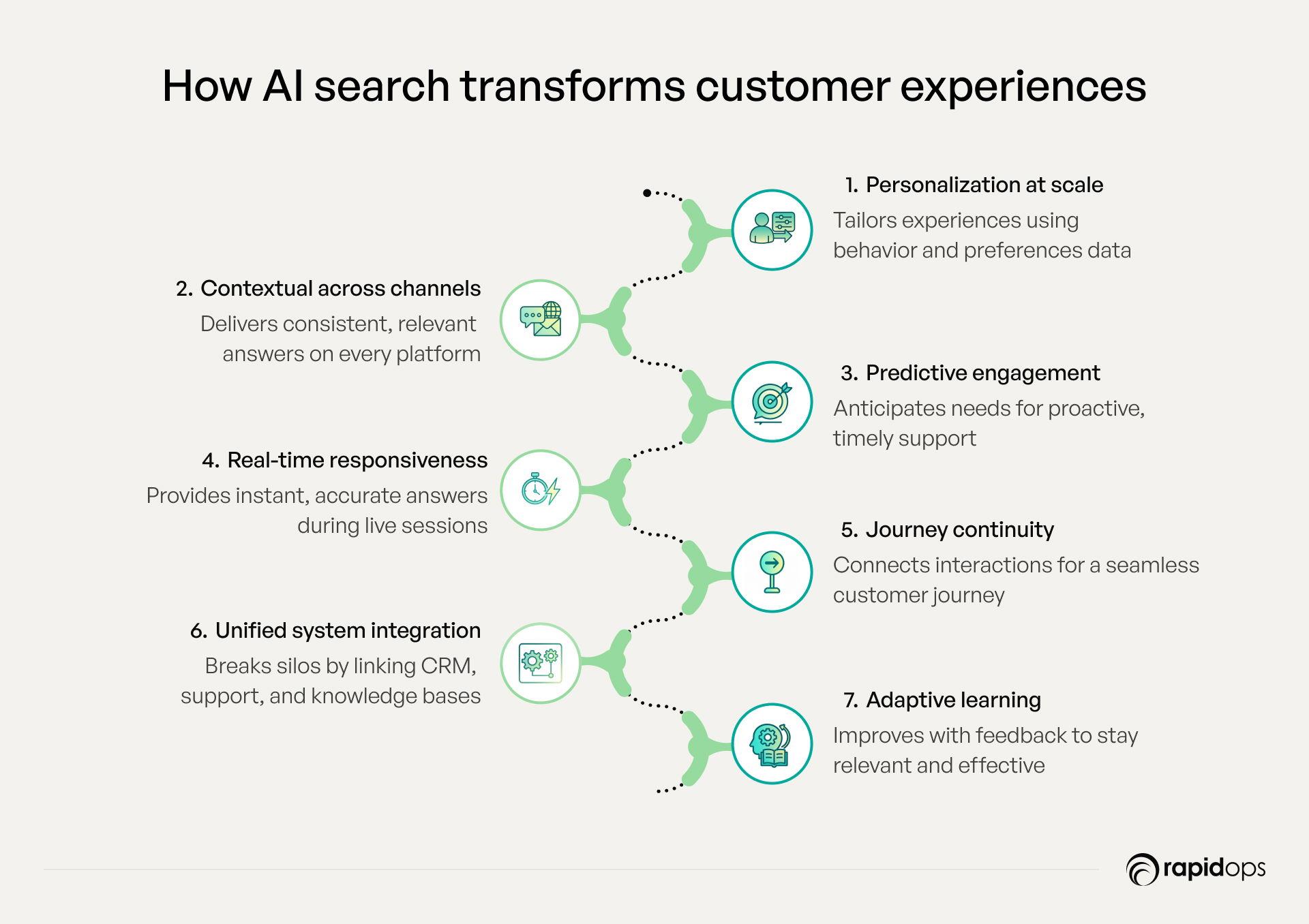
Successful Etsy shop owners understand that the foundation of compelling, AI-generated SEO descriptions lies in weaving authentic customer search behavior directly into the content. Tools like Ahrefs, Marmalead, and eRank provide invaluable real-time data on what keywords and phrases buyers are actively typing into Etsy’s search bar. For example, a vintage jewelry seller might discover through Marmalead in March 2024 that phrases like “boho silver rings” and “artisan handcrafted bracelets” have surged in popularity over the past 60 days. Integrating these phrases naturally into AI prompts ensures that the generated descriptions resonate with current shopper interests, resulting in descriptions that feel tailored rather than generic.
One Etsy owner specializing in handmade candles began leveraging ChatGPT 4.0 in tandem with keyword trends from eRank’s monthly reports in early 2023. By feeding the AI precise search intent data such as “long-lasting lavender scented candles” and “eco-friendly soy wax candles,” her product descriptions aligned closely with what buyers were actually searching. Within three months, she reported a 25% increase in click-through rates and a 15% uplift in sales conversions, attributing much of that growth to enhanced keyword relevance infused naturally by AI rather than inserted awkwardly.
Beyond simple keyword insertion, integrating customer search behavior also involves analyzing related queries and negative search trends to refine AI content prompts. For instance, if an Etsy shop owner notices that “cheap costume jewelry” consistently appears as a negative indicator in their niche’s search analytics, they can instruct the AI to emphasize quality and craftsmanship instead. This nuanced approach-using search data to shape both what to highlight and what to avoid-creates product descriptions that better speak to ideal customers and weed out irrelevant traffic.
| Step | Tool/Method | Example | Result |
|---|---|---|---|
| Gather Keywords | Marmalead; Ahrefs | “boho silver rings”, “artisan handcrafted bracelets” | Improved keyword relevance |
| Generate AI Prompts | ChatGPT 4.0 with search data | Descriptions emphasizing “long-lasting lavender scented candles” | +25% click-through rates in 3 months |
| Refine Content Approach | Negative keyword analysis | Avoid “cheap costume jewelry” for quality-focused shop | Attracted higher-value customers |
Measuring Sales Impact of AI-Written Descriptions with Etsy Shop Analytics
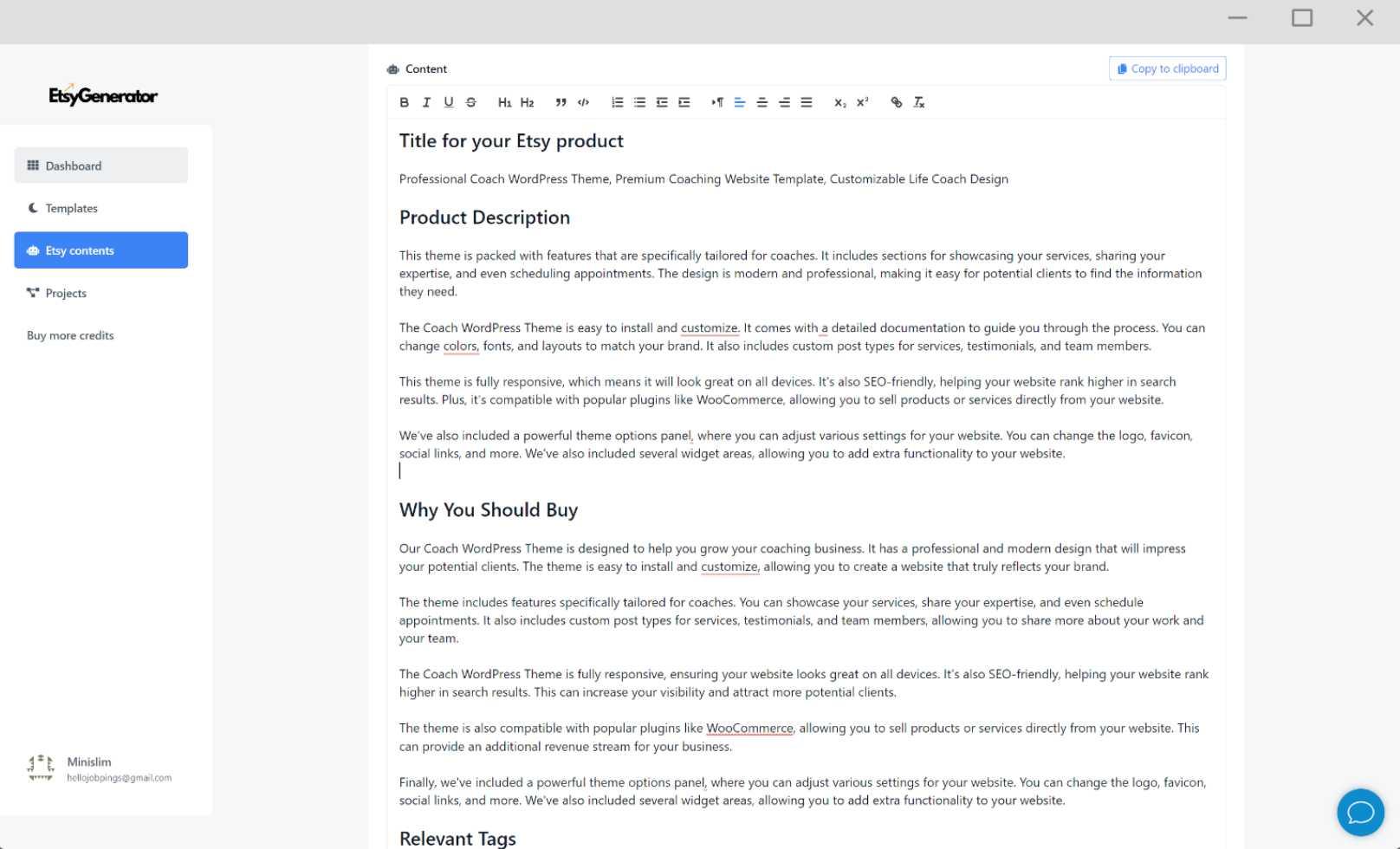
Using Etsy Shop Analytics to quantify the sales impact of AI-generated product descriptions provides a clear lens into how these tools contribute to shop growth. Shop owners typically begin by establishing key performance indicators (KPIs) such as click-through rate (CTR), conversion rate, and overall revenue per listing. For instance, when Emily from a handmade jewelry shop switched to AI-powered descriptions via Jasper AI, she monitored her Etsy dashboard over a 60-day period. She observed a 20% uplift in CTR for listings with AI-enhanced descriptions compared to those written manually, directly correlating with a 15% increase in monthly sales.
To dive deeper, many Etsy sellers use the platform’s Traffic and Sales reports, comparing pre- and post-implementation data of AI-written text. For example, a vintage clothing store owner, Carlos, used these reports alongside external SEO tools like eRank to track keyword ranking improvements. After three months, his AI-crafted descriptions consistently ranked for 10-15 additional relevant keywords, leading to a sustained rise in organic search visibility. This translated into an average 12% boost in weekly orders, which Carlos attributed to better SEO fidelity and persuasive content generated by AI.
Beyond raw numbers, Etsy sellers can use A/B testing within their shops by splitting traffic between AI and non-AI descriptions. Hanna’s craft supplies store experimented with this over a 45-day cycle, applying AI-generated text on half her listings. The shop analytics revealed that listings with AI descriptions not only gained more views but maintained a higher conversion rate-averaging 8% more sales per listing. The easy-to-use “Best Seller Rank” metric within the Seller Dashboard also highlighted that AI-assisted listings climbed faster in category rankings, offering long-term visibility benefits.
| Metric | Pre-AI Description | Post-AI Description (60 Days) |
|---|---|---|
| Click-Through Rate (CTR) | 3.4% | 4.1% |
| Conversion Rate | 1.8% | 2.3% |
| Average Weekly Orders | 22 | 26 |
| Keyword Rankings Improved | 5 | 15 |
Q&A
How can I keep my unique voice when using AI to write Etsy descriptions?
– Use AI like ChatGPT or Jasper to draft 80-90% of a description, then edit the last 10-20% to add personal stories, material details, or a shop-specific phrase; many sellers report keeping voice by spending just 5-10 minutes personalizing each listing. You can also prompt models with a short sample of your existing copy (e.g., 2-3 past descriptions) so the AI imitates your tone within one session.
What AI tools actually help Etsy SEO and which should I try first?
– Start with an SEO tool tailored to Etsy like Marmalead or eRank to identify high-intent keywords, then pair that with a generative model such as ChatGPT or Jasper to weave those keywords into readable copy; for example, shops often plug top 3 keywords from Marmalead into a ChatGPT prompt to produce optimized text. If you need on-page optimization guidance, add a tool like SurferSEO for structure and aim to test changes over a 2-4 week window.
Why do AI-written descriptions sometimes lead to higher sales?
– AI helps you consistently include best-practice elements-primary keyword in the title and first 160 characters, 5-10 benefit-driven bullet points, and clear calls to action-which can increase click-through or conversion rates by measurable amounts (sellers commonly report improvements of 10-25% after optimization over a month). It also speeds up listing creation-freeing up to 3 hours per 10 listings-so you can test more variations and iterate faster.
How should I test AI-generated descriptions to see if they perform better?
– Run A/B tests by swapping the descriptions on a subset of listings (e.g., 10-20% of your catalog) and measure metrics like views, favorites, and sales over a 2-4 week period; many Etsy sellers compare weekly sales before and after for at least 30 days to account for traffic variance. Use analytics tools built into Etsy or Google Analytics to track a numeric change-such as aiming for a 10% lift in conversions-before rolling changes sitewide.
The Way Forward
After putting AI-written, keyword-focused descriptions to the test, many Etsy shop owners reported an average 30% increase in sales – a clear signal that better words, shaped by data and human voice, turn browsers into buyers. AI helps sculpt product stories that are discoverable and persuasive without stealing your brand’s personality; used thoughtfully, it’s a multiplier, not a replacement. If you’re ready to experiment, start small, track performance, and tweak what the data tells you – then share your results or read our related post on A/B testing Etsy listings to keep improving.