
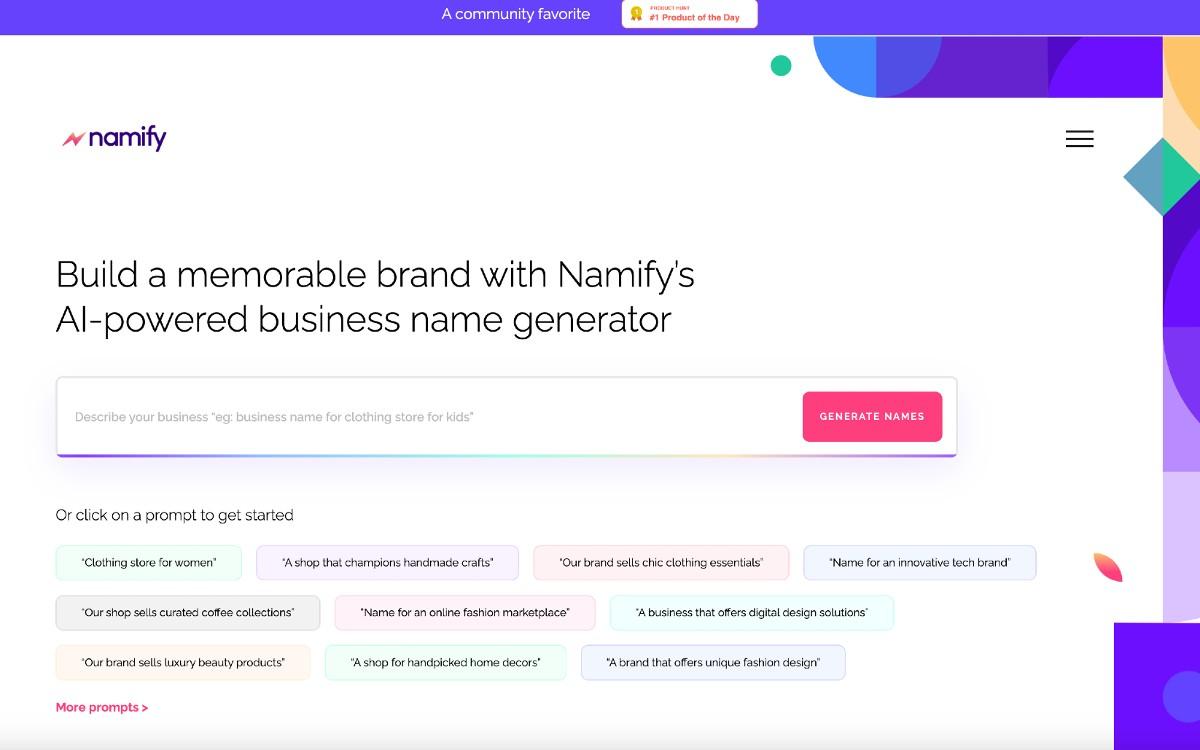
In the fast-paced world of product innovation, a name is far more than just a label-it’s the first story a product tells. Striking the perfect balance between memorability, meaning, and market appeal can be a daunting challenge for even the most experienced branding experts. Enter artificial intelligence: a powerful collaborator that blends data-driven insight with creative flair to transform product naming from guesswork into a strategic art. This article explores how AI is reshaping the way brands craft compelling product names, unlocking fresh possibilities and redefining the essence of naming in the digital age.
Table of Contents
- Harnessing AI to Spark Creative Product Naming
- Deep Dive into AI Techniques for Memorable Brand Identities
- Actionable Strategies to Optimize Product Names with AI Tools
- Q&A
- In Conclusion

Harnessing AI to Spark Creative Product Naming
Embracing artificial intelligence to generate product names opens a gateway to innovation and differentiation. AI algorithms analyze vast datasets, market trends, and linguistic nuances to present name options that resonate with target audiences. This process can:
- Speed up brainstorming by providing a pool of fresh, unique ideas in seconds.
- Enhance relevance by focusing on keywords that connect emotionally and contextually.
- Ensure brand alignment through sentiment analysis and style adaptability.
By integrating these intelligent suggestions with human intuition, businesses can craft names that are not just memorable but strategically positioned for success.
Deep Dive into AI Techniques for Memorable Brand Identities
Harnessing AI to forge unforgettable brand identities hinges on leveraging various cutting-edge techniques that blend creativity with data-driven insights. Among the most powerful approaches are:
- Natural Language Processing (NLP): AI analyzes linguistic patterns and consumer sentiment to generate names that resonate emotionally and culturally.
- Generative Models: Algorithms like GPT craft unique, inventive names by combining existing words or inventing new ones that maintain memorability and relevance.
- Semantic Analysis: Ensures that generated names align with the brand’s core values by understanding context and associations beyond mere keyword usage.
- Phonetic Optimization: AI evaluates how product names sound, focusing on ease of pronunciation and auditory appeal, which consumers often remember effortlessly.
| AI Technique | Focus Area | Impact on Brand Identity |
|---|---|---|
| NLP | Emotional & Cultural Fit | Creates relatable and culturally sensitive names |
| Generative Models | Creativity & Novelty | Delivers fresh and imaginative name options |
| Semantic Analysis | Contextual Relevance | Ensures names reflect brand values accurately |
| Phonetic Optimization | Sound & Memorability | Enhances ease of recall and consumer preference |

Actionable Strategies to Optimize Product Names with AI Tools
Harness the power of AI to transform your product naming process by integrating smart tools that analyze market trends, customer sentiment, and keyword effectiveness. Leverage features such as:
- Semantic Analysis: Understand how different name options resonate with your target audience on a deeper linguistic level.
- Trend Forecasting: Use AI-driven insights to select names that align with emerging market trends, ensuring longevity and appeal.
- Competitor Benchmarking: Automatically evaluate competitor product names to identify gaps and opportunities for differentiation.
Consider a streamlined approach to test potential names through AI-powered A/B testing, enabling real-time feedback and optimization. Below is a simple comparison of two AI tools designed to enhance this process:
| Feature | Tool A | Tool B |
|---|---|---|
| Trend Analysis | Advanced | Moderate |
| Sentiment Scoring | Yes | No |
| Integration | WordPress Plugin | Standalone |
| Pricing | Subscription | One-time Fee |
Q&A
Q: What makes a product name compelling?
A: A compelling product name is memorable, resonates with the target audience, and conveys the essence or benefit of the product. It’s distinctive, easy to pronounce, and often evokes an emotional response that aligns with the brand’s identity.
Q: How can AI assist in creating product names?
A: AI can analyze vast datasets including language patterns, consumer trends, and competitor names, then generate creative suggestions based on criteria you provide. It can explore combinations, wordplays, and linguistic nuances that might not occur to human creators, speeding up the brainstorming process.
Q: Are AI-generated names suitable for all industries?
A: Yes. AI tools are adaptable and can tailor naming strategies according to various industries – whether tech startups, fashion brands, or consumer goods. The key is feeding the AI with relevant context to ensure the names align with industry norms and target demographics.
Q: Can AI capture brand personality in product names?
A: While AI can mimic styles and preferences based on training data, capturing deep brand personality still requires human input. The best results come from a collaborative approach where AI provides options that humans refine, ensuring the names reflect brand values authentically.
Q: How do AI tools handle trademark and domain name availability?
A: Advanced AI platforms often integrate features to check trademark databases and domain registrations in real time. This reduces the risk of legal issues and helps secure a practical online presence right from the naming phase.
Q: Does relying on AI for naming reduce creativity?
A: Not necessarily. AI serves as a creative partner rather than a replacement. It expands the pool of ideas, challenges conventional thinking, and can inspire new directions. The creative spark still lies in how humans interpret and apply AI’s output.
Q: What should businesses keep in mind when using AI for product naming?
A: Businesses should clearly define their brand message, audience, and naming goals before using AI tools. They must also vet AI-generated names for cultural sensitivity and relevance. Ultimately, names should be tested with real customers to ensure they resonate and foster brand connection.
Q: How is AI shaping the future of product naming?
A: AI is democratizing creative branding by making sophisticated naming tools accessible to startups and large enterprises alike. It’s enabling faster iteration cycles, personalized name generation, and smarter market alignment. As AI evolves, product naming will become more data-driven and innovative, blending creativity with precision.
In Conclusion
In the ever-evolving landscape of branding, harnessing AI to craft compelling product names is no longer just a futuristic concept-it’s a practical tool that blends creativity with data-driven insight. By embracing AI, businesses can unlock fresh naming possibilities that resonate, captivate, and stand out in crowded markets. As technology and imagination intertwine, the art of naming transforms from guesswork into a strategic advantage, inviting brands to tell their unique stories with precision and flair. Whether you’re launching a startup or revitalizing an established line, AI offers a powerful ally in shaping names that truly make an impact.