
In today’s fast-paced digital world, content creators are constantly seeking innovative ways to expand their reach and engage diverse audiences. Podcasts have carved out a unique niche, delivering stories and insights through the power of voice. But what if you could amplify that impact by transforming your spoken words into written content? Thanks to the rise of AI tools, turning your podcast into a polished, searchable blog has never been easier. This intersection of technology and creativity opens exciting new avenues for storytellers, marketers, and educators alike-blurring the lines between audio and text and giving your ideas a fresh platform to thrive.
Table of Contents
- Transforming Audio Content into Engaging Written Stories Using AI
- Leveraging AI Tools to Enhance Podcast Transcriptions and Optimize Blog SEO
- Practical Tips for Seamlessly Converting Podcast Episodes into Reader-Friendly Blog Posts
- Q&A
- To Conclude
Transforming Audio Content into Engaging Written Stories Using AI
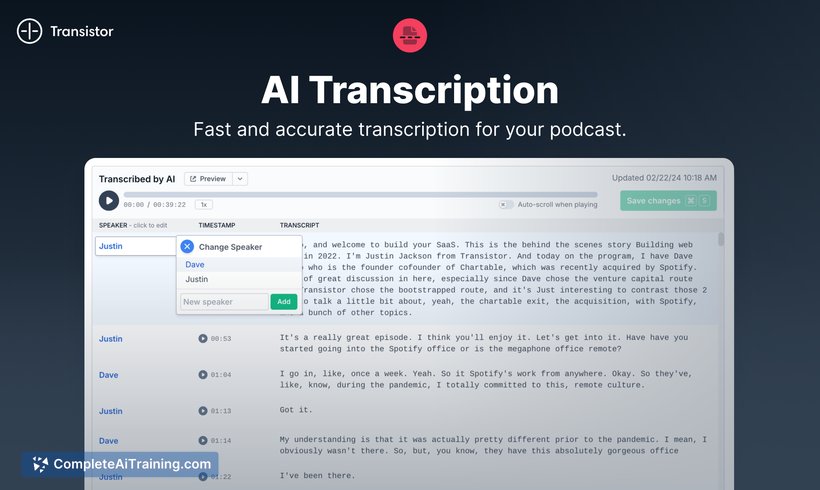
Harnessing AI to reshape audio content into captivating written narratives is revolutionizing how creators amplify their podcasts. By employing advanced transcription tools, these AI systems not only convert speech to text but also refine the raw data, curating key themes and insights into coherent and engaging blog posts. This process involves:
- Automated transcription: Quickly capturing every word with impressive accuracy.
- Contextual summarization: Highlighting the most compelling points for readers.
- Tone adaptation: Transforming conversational audio into polished, reader-friendly prose.
| AI Feature | Benefit for Bloggers |
|---|---|
| Speech-to-Text Accuracy | Reduces manual editing time |
| Content Structuring | Enhances reader engagement |
| SEO Optimization | Boosts online discoverability |
With these tools at their disposal, content creators can effortlessly convert spoken words into polished articles, ensuring their podcast insights reach a broader audience eager for both listening and reading experiences.
Leveraging AI Tools to Enhance Podcast Transcriptions and Optimize Blog SEO
Integrating advanced AI transcription tools transforms raw podcast audio into accurately formatted text, dramatically reducing manual effort. Not only do these tools offer voice recognition with contextual understanding, but they also facilitate keyword extraction and content enrichment, crucial for SEO effectiveness. By leveraging AI’s capabilities, podcasters can:
- Automatically generate clean, reader-friendly transcripts
- Identify trending keywords and key phrases to boost search rankings
- Enhance blog posts with meta descriptions and tags optimized for user engagement
- Save time on backend editing with intelligent grammar and style correction
| AI Tool | Feature | SEO Impact |
|---|---|---|
| Speechify | Contextual Transcription | High – captures nuanced keywords |
| Jarvis | Content Enrichment | Medium – improves metadata |
| Otter.ai | Real-time Transcriptions | High – quick content turnover |

Practical Tips for Seamlessly Converting Podcast Episodes into Reader-Friendly Blog Posts
To effortlessly transform your podcast episodes into engaging blog content, start by transcribing your audio with AI tools like Otter.ai or Descript, which quickly convert speech into text with impressive accuracy. Next, use an AI editor such as Grammarly or Hemingway to polish the transcription, ensuring clarity and readability while maintaining the original voice. Break down the text into digestible sections using headings and bullet points, making it easier for readers to scan. Enhance your blog post with rich media by embedding relevant quotes or soundbites as pull quotes or highlighted callouts. Finally, consider adding a summary at the beginning and a compelling call-to-action at the end to keep readers engaged and guide them toward subscribing or exploring related content.
Q&A
Q: Why should I consider turning my podcast into a blog?
A: Transforming your podcast into a blog helps you reach a broader audience by tapping into readers who prefer text over audio. It also improves SEO, making your content easier to discover online, and provides a handy reference for listeners who want to revisit key points.
Q: How can AI tools assist in converting a podcast into a blog?
A: AI tools can automatically transcribe your audio, summarize lengthy episodes, and even help rephrase content for readability and flow. This automation saves you hours of manual work, speeding up the process from recording to publishing.
Q: Are AI-generated transcripts accurate enough for blog writing?
A: Many AI transcription services deliver impressively accurate results, especially with clear audio and minimal background noise. While some editing is recommended to polish the text and correct any errors, AI gives you a solid draft to build upon.
Q: What are the best AI tools for this purpose?
A: Popular AI tools include Otter.ai, Descript, and Sonix for transcription, and Jarvis (now Jasper) or Copy.ai for content enhancement and rewriting. These tools collectively streamline turning your podcast script into engaging blog posts.
Q: How do I maintain my podcast’s voice and style in a blog format?
A: Use AI tools as assistants, not dictators. Customize AI-generated content by adding your unique tone, anecdotes, and insights. Read aloud drafts to ensure the conversational charm of your podcast shines through in the written word.
Q: Can converting podcasts to blogs boost my content marketing strategy?
A: Absolutely. Blog posts derived from your podcasts increase your content footprint and improve search engine rankings. They provide shareable materials that can attract backlinks and engage audiences on multiple platforms.
Q: Is it necessary to publish full transcripts or can I use summaries?
A: It depends on your goals. Full transcripts offer transparency and accessibility, while summarized blog posts provide concise, reader-friendly content. You can even publish both: a full transcript for comprehensive coverage and a summary post highlighting key takeaways.
Q: How often should I create blog posts from my podcast episodes?
A: Consistency is key. Aim to publish blog posts in tandem with your podcast episodes or shortly afterward. This keeps your content fresh and maintains engagement across both formats.
Q: What challenges might I face when turning podcasts into blogs using AI?
A: Challenges include ensuring transcription accuracy, preserving your authentic voice, and structuring content for readability. Additionally, some AI tools require subscriptions, so budgeting for these resources is important.
Q: What’s the first step to start turning my podcast into a blog with AI?
A: Start by selecting a reliable AI transcription tool and uploading an episode. Review and edit the transcript, then leverage AI writing assistants to craft your blog post. From there, tailor the content and publish-watching your podcast content come alive in a new format!
To Conclude
Transforming your podcast into a compelling blog is no longer a daunting task thanks to the power of AI tools. By bridging audio and written content, these technologies open new doors for reaching diverse audiences and amplifying your message. Whether you’re a seasoned podcaster or just starting out, embracing AI can streamline your workflow and enrich your content strategy. So, why not turn your spoken stories into written treasures and let your voice resonate in more ways than one? The future of content creation is here – and it’s smarter, faster, and more accessible than ever.