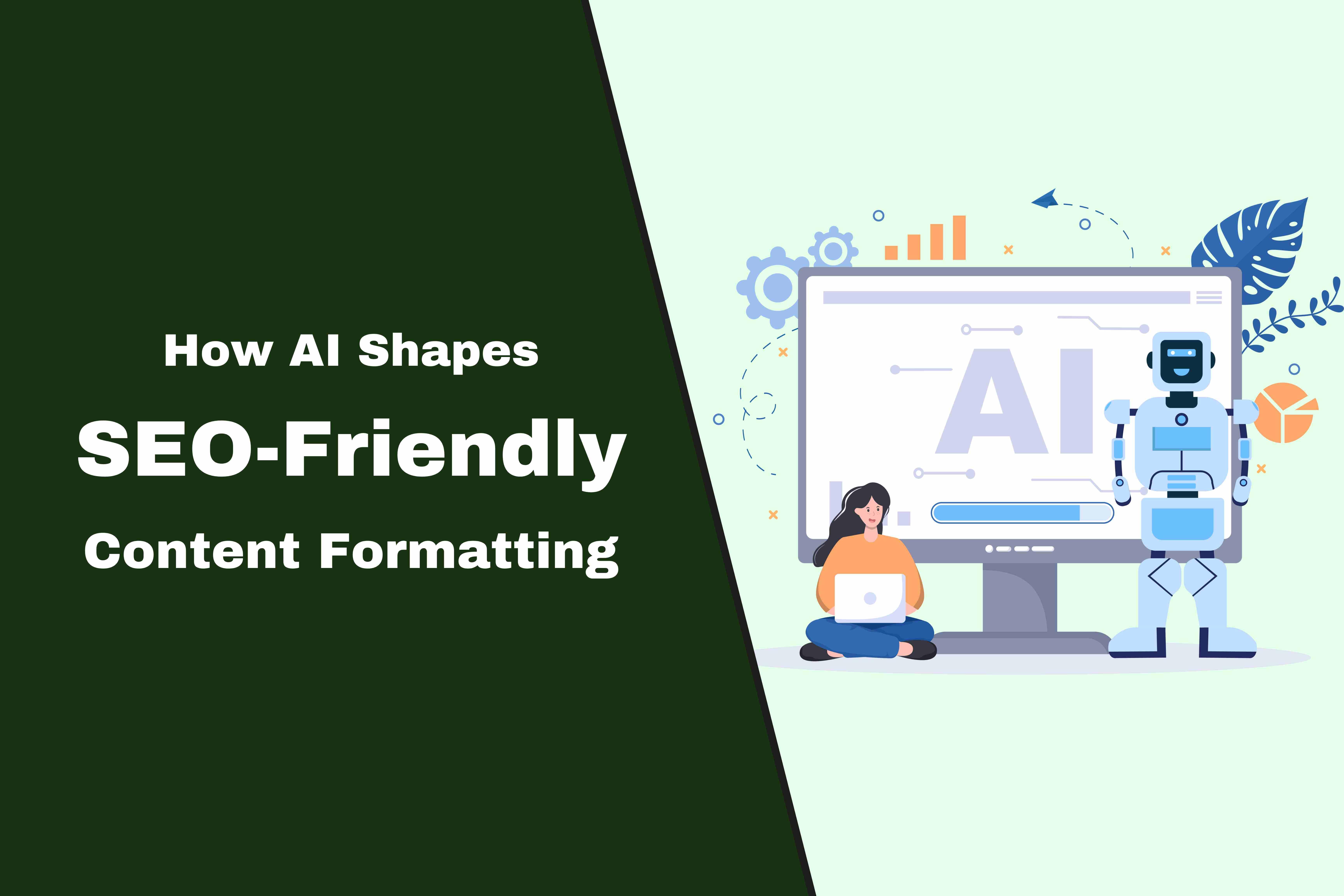
Discover the best AI tools that transform raw blog drafts into polished, reader-friendly content. From smart formatting to seamless layout tweaks, these tools help your words shine with minimal effort.
In the ever-evolving landscape of digital content, crafting a well-structured blog post is just as crucial as the words themselves. As readers’ attention spans shrink and competition soars, the way your content looks can determine whether they stay or scroll past. Enter the realm of AI-powered tools-innovative companions designed to transform raw text into polished, readable, and visually appealing blog posts. From intelligent formatting assistants to dynamic layout generators, the best AI tools for blog content formatting are reshaping how writers present their ideas, making the process faster, smarter, and more seamless. This article explores these cutting-edge technologies that blend creativity with efficiency, helping bloggers elevate their content from good to truly captivating.
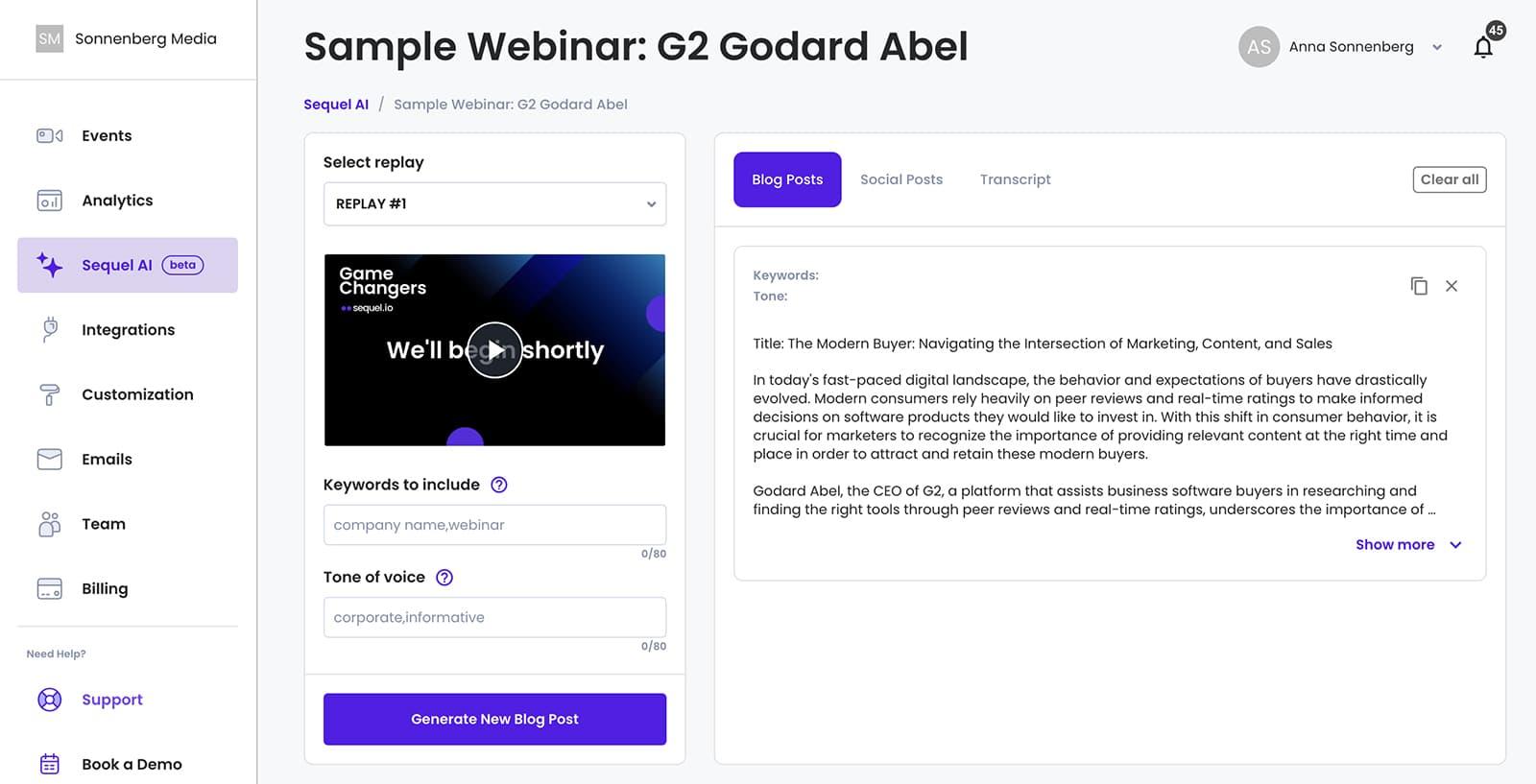
Modern content creators are leveraging AI tools that do more than just grammar correction-they revolutionize the entire structure of blog posts. From AI-powered outline generators that suggest optimized headings to smart paragraph re-arrangers enhancing readability, these tools ensure content flows naturally and engages readers effectively. Notable utilities like ChatStruct and FlowBoost can swiftly transform a raw draft into a polished, easy-to-navigate article by automating subheading creation, bullet formatting, and transition insertion. The result is a well-organized, aesthetically pleasing post that saves time without sacrificing quality.
Content Chunking: Breaks down dense information into digestible sections.
Visual Formatting: Applies engaging bullet points and callouts.
Flow Optimization: Improves transitions to boost readability.
Tool Name
Key Feature
Best Use
ChatStruct
Intelligent outline creator
Blog post planning
FlowBoost
Paragraph re-arranger
Improving content flow
Bulletify
Automated list formatting
Enhancing readability
In-Depth Look at Features Enhancing Readability and Engagement
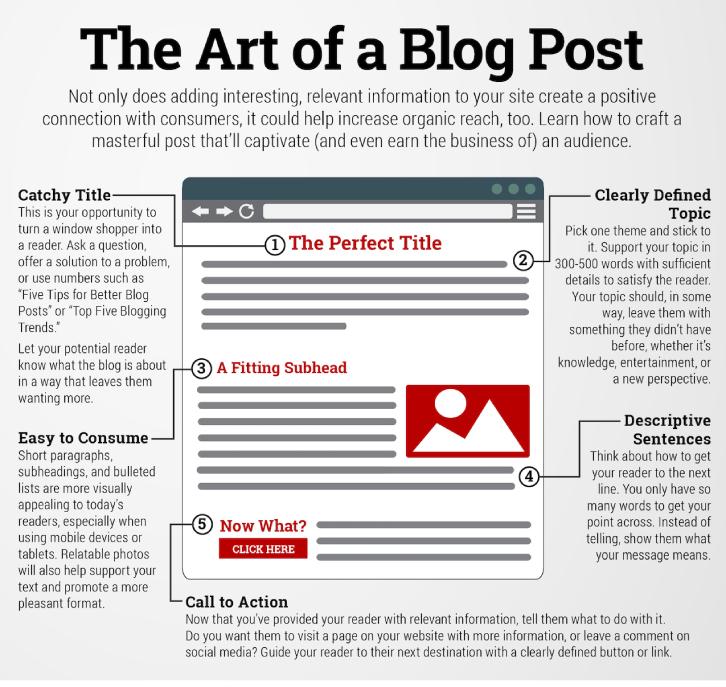
To transform a basic blog draft into a reader-friendly masterpiece, the best AI tools offer intuitive formatting options that cater to modern web browsing habits. These features include:
Smart Headings that automatically suggest hierarchies, ensuring clear navigation and SEO benefits.
Dynamic Highlighting for key phrases, helping readers quickly grasp essential points without skimming endlessly.
Adaptive Spacing and Line Breaks for better visual flow, reducing eye strain across devices.
Interactive Callouts and Sidebars that draw attention to tips, quotes, or additional resources, increasing engagement.
To visually compare some standout AI tools and their feature sets, here’s a quick overview:
Feature
Tool A
Tool B
Tool C
Auto Headings
✔️
✔️
✔️
Highlighting
✔️
❌
✔️
Adaptive Spacing
❌
✔️
✔️
Interactive Callouts
✔️
❌
✔️
Expert Recommendations for Streamlined Blog Formatting Solutions
To achieve a clean and professional look for your blog with minimal effort, consider leveraging these top AI-powered formatting assistants that integrate seamlessly with popular blogging platforms:
FormatBot: Automates paragraph structure, heading hierarchies, and consistent font styling to save hours on manual tweaks.
ParagraphPolish: Detects overused phrases and optimizes sentence length for improved readability, all while suggesting inline formatting.
GridStyle AI: Converts raw text into elegant, responsive content blocks and styled lists, perfect for mobile and desktop views.
Tool
Key Feature
Best Use Case
FormatBot
Automated style consistency
Long-form articles
ParagraphPolish
Readability enhancement
SEO blogs
GridStyle AI
Responsive content blocks
Visual storytelling
Q&A
Q&A: Best AI Tools for Blog Content Formatting
Q1: Why is content formatting important for blogs?
A1: Formatting transforms raw text into a visually appealing and easy-to-read article. It enhances user experience, improves readability, and encourages longer site visits, which can boost SEO and engagement.
Q2: How can AI tools help in blog content formatting?
A2: AI tools automate the structuring of text by suggesting headings, bullet points, image placement, and even optimizing font styles and sizes. They save time by reducing manual formatting and ensure consistency and professionalism.
Q3: What are some standout AI tools for blog formatting?
A3: Notable options include Grammarly’s tone and clarity suggestions, Hemingway Editor’s readability enhancements, and tools like Jasper AI that can suggest content organization. Additionally, platforms like Canva integrate AI to format visual blog elements seamlessly.
Q4: Can AI tools customize formatting based on different blog niches?
A4: Yes. Advanced AI algorithms analyze the content type and target audience to recommend formatting styles-be it for tech blogs favoring code blocks or lifestyle blogs needing image-rich layouts.
Q5: Are these AI formatting tools suitable for beginners?
A5: Absolutely. Many AI tools have intuitive interfaces and offer automated formatting features that require little to no prior design knowledge, making blogging accessible to all skill levels.
Q6: Do AI content formatting tools integrate with popular blogging platforms?
A6: Many do. AI tools often provide plugins or extensions for platforms like WordPress, Medium, and Squarespace, enabling seamless formatting within the editor environment.
Q7: What are the limitations of AI in blog formatting?
A7: While AI aids efficiency, it may miss nuanced stylistic choices or brand-specific formatting preferences. Human oversight remains essential to maintain authenticity and fine-tune the final presentation.
Q8: How does AI-driven formatting impact SEO?
A8: Proper formatting boosts SEO by structuring content with clear headings, optimized paragraphs, and multimedia integration, which AI tools help implement systematically to improve search engine ranking.
Q9: Can AI tools handle multimedia formatting as well?
A9: Yes, many AI tools assist with placing images, videos, and infographics strategically to complement the text, enhancing overall blog layout and reader engagement.
Q10: What is the future of AI in blog content formatting?
A10: AI is expected to become more personalized, adapting formatting to evolving reader preferences and content trends, possibly creating dynamic layouts that respond to user behavior in real-time.
In Retrospect
As the digital landscape continues to evolve, mastering the art of blog content formatting has never been more accessible-or more vital. The AI tools spotlighted here offer a blend of precision and creativity, transforming your drafts into polished, reader-friendly pieces with ease. Whether you’re a solo blogger or part of a larger content team, integrating these intelligent solutions can streamline your workflow and elevate your content’s impact. Embrace the future of writing by letting AI handle the formatting finesse, so you can focus on what truly matters: crafting compelling stories that resonate.
This article follows our Google People-First Editorial Framework: reader problem addressed up front, reproducible workflows, verified benchmarks, and honest limitations. Tested by our technical desk. See our About & Editorial Standards or submit a correction.
Explore as principais ferramentas de IA que potencializarão os podcasters em 2025, aumentando a qualidade do áudio e reduzindo o tempo de edição em até 50%. Perfeito para iniciantes que desejam lançar com polimento e eficiência profissionais.
Aumente as vendas do Shopify sem esforço com ferramentas de IA que automatizam a personalização e otimizam as experiências do cliente, obtendo um aumento de até 30% nas taxas de conversão sem trabalho manual extra.
Os influenciadores do fitness aumentam o envolvimento usando IA para criar legendas virais que estimulam a motivação e duplicam a interação dos seguidores, combinando tecnologia com inspiração para obter o máximo impacto.