- Home
- Budgeting Tips
- Financial Habits You Must Adopt Now for a Wealthier Future
Financial Habits You Must Adopt Now for a Wealthier Future
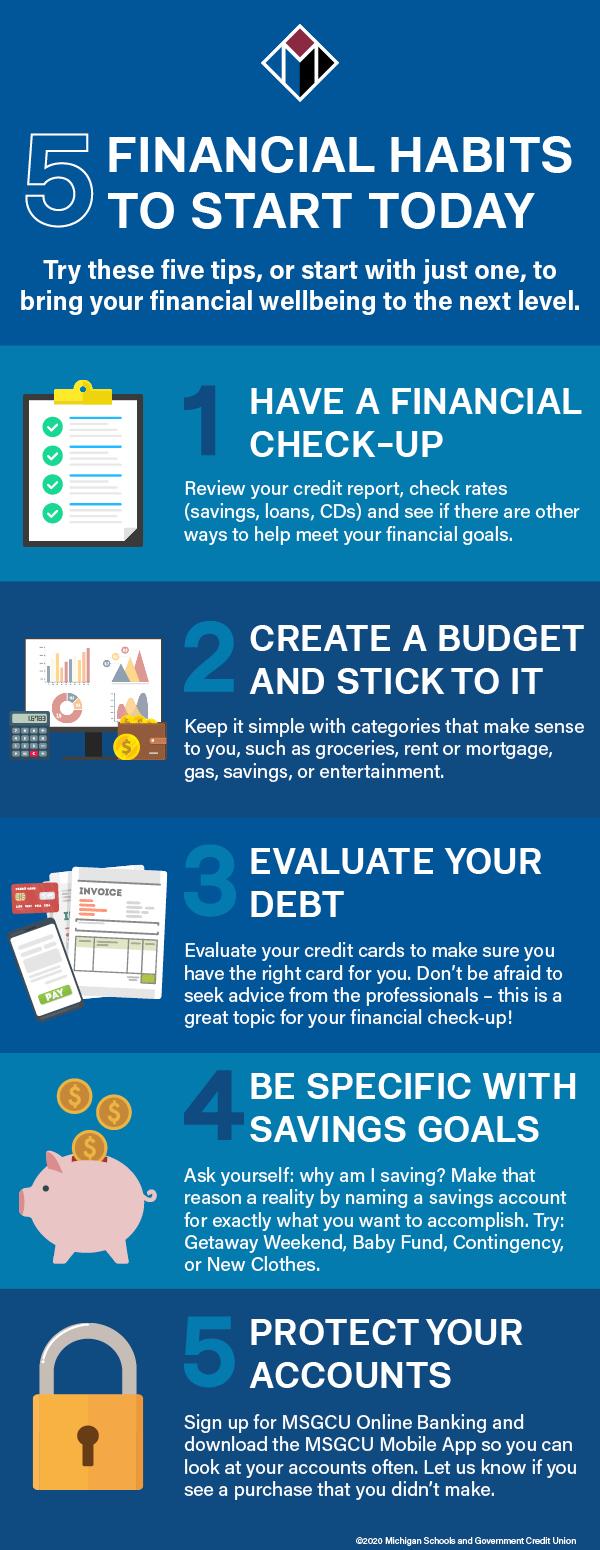
Cultivating strong financial habits today lays the groundwork for a prosperous tomorrow. Start by tracking your spending, setting clear savings goals, and investing wisely. Small, consistent actions can transform your financial landscape over time.

In this article
As the sun rises on a new financial landscape, the decisions we make today shape the wealth we will carry into tomorrow.In a world where unexpected expenses and economic shifts can upend even the most carefully crafted budgets, cultivating sound financial habits is no longer just a suggestion—it’s an imperative. But where do we start? In this article, we’ll explore essential financial habits that can secure yoru financial future, guiding you through the practices that transform aspirations into tangible wealth. Whether you’re just beginning your financial journey or looking to refine your strategies, adopting these habits now can set the stage for a prosperous tomorrow.Join us as we delve into the principles that can turn your financial potential into lasting success.
Table of Contents
- Building a Solid Foundation with Budgeting essentials
- Cultivating an Investment Mindset for Long-Term Growth
- Harnessing the Power of Automated Savings for Consistency
- Embracing Continuous Learning to Navigate Financial Trends
- Q&A
- Wrapping Up
Building a Solid Foundation with Budgeting Essentials
Effective budgeting is the cornerstone of any accomplished financial strategy. By establishing a clear understanding of your income and expenses, you create a roadmap that guides your financial decisions. Start by tracking your monthly earnings and expenses, and categorize them into different sections.This will help you identify areas where you can cut back and allocate funds more efficiently. Consider the following essential categories to include in your budget:
- Fixed Expenses: Rent, utilities, insurance
- Variable Expenses: Groceries, entertainment, dining out
- Savings Contributions: Emergency fund, retirement savings
- Debt Repayment: Loans, credit card payments
Once you have outlined your budget, it’s essential to adhere to it diligently. Regularly revisiting and adjusting your financial plan keeps it relevant amidst changing circumstances. Utilize budgeting tools or apps to monitor your spending habits easily. To further enhance your financial foundation, consider creating a savings table to visualize your goals:
| Goal | Target Amount | Current Savings | Remaining balance |
|---|---|---|---|
| Emergency Fund | $5,000 | $1,000 | $4,000 |
| Vacation | $2,000 | $600 | $1,400 |
| New Car | $10,000 | $2,500 | $7,500 |
Cultivating an Investment Mindset for Long-Term Growth
To build a prosperous future, it’s essential to start thinking like an investor rather than just a consumer. Adopting an investment mindset involves recognizing the opportunities that lie in everyday decisions while maintaining patience and discipline in your financial journey. **Set clear financial goals** that reflect your values and aspirations; these could include saving for a home, retirement, or even starting a business. Prioritize **building a diverse portfolio** that spreads risk across various assets, such as stocks, bonds, or real estate, and be open to adjusting your strategy as market conditions change. Understanding the **power of compound interest** can also amplify your wealth; small,consistent investments over time can lead to significant financial growth.
Embracing lifelong learning is another crucial component of cultivating an investment mindset. Engage in continuous education about personal finance and investment strategies by reading books, attending workshops, or following reputable financial blogs. Create a habit of regularly monitoring your financial health, which includes tracking your expenses, income, and investment performance. Consider utilizing tools such as **investment apps** or budgeting software that can simplify this process and provide valuable insights.By surrounding yourself with a network of like-minded individuals, you can exchange knowledge, share experiences, and hold each other accountable on your journey to financial success.
Harnessing the Power of Automated Savings for Consistency
Embracing automated savings is a transformative step towards building a enduring financial future.By setting up automatic transfers from your checking account to a dedicated savings account, you streamline your financial management and eliminate the temptation to spend. this method not only fosters consistency but also allows you to pay yourself first, enabling wealth accumulation without the constant decision-making burden. here are some key benefits of automated savings:
- Peace of Mind: Knowing your savings grow effortlessly can alleviate financial anxiety.
- Ease of Use: Automating savings requires minimal ongoing effort, leaving you free to focus on other financial goals.
- Smart Budgeting: With a set amount automatically directed to savings, you’re less likely to overspend.
To optimize your automated savings strategy, consider the 50/30/20 rule as a guideline for allocating your income wisely. In this framework, 50% of your income covers necessities, 30% is for discretionary spending, and the remaining 20% goes straight into savings. This blueprint empowers you to build wealth while maintaining lifestyle flexibility. Here’s a simple breakdown:
| Income Allocation | Percentage | Purpose |
|---|---|---|
| Necessities | 50% | Essential living expenses |
| Discretionary | 30% | Fun or lifestyle choices |
| Savings | 20% | Investing in your future |
Embracing Continuous Learning to navigate Financial Trends
In today’s dynamic financial landscape, the ability to adapt is paramount. Engaging in continuous learning not only enhances your understanding of investment strategies and market fluctuations but also empowers you to make informed decisions. By keeping abreast of **emerging trends**, you can seize opportunities that others might overlook. Consider exploring various resources, such as:
- Online Courses: Platforms like Coursera and Udemy offer courses on financial literacy and investment.
- Podcasts: Financial podcasts can provide insights and diverse perspectives on market changes.
- Newsletters: Subscribe to reputable finance newsletters for curated content and expert analysis.
Furthermore, attending workshops or webinars can considerably contribute to your financial acumen. Engaging directly with industry experts fosters a deeper understanding of potential market shocks or economic shifts. Here’s a simple table portraying effective learning strategies and thier benefits:
| Strategy | Benefit |
|---|---|
| Networking Events | Establish valuable connections |
| Investment Clubs | collaborative learning and discussions |
| Financial Blogs | accessible daily insights and tips |
Q&A
**Q&A: Financial Habits You Must Adopt Now for a Wealthier Future**
**Q1: What are the foundational financial habits I should consider adopting?**
A1: To lay a robust foundation for financial wellness, start with these key habits: budgeting, saving, debt management, and investing. A good budget helps you track income and expenses, ensuring you live within your means. Prioritizing savings — ideally 20% of your income — creates a safety net. Managing your debt smartly is crucial; focus on high-interest debts first and avoid unnecessary borrowing.investing early enables your money to grow through compounding, setting the stage for long-term wealth accumulation.
**Q2: How crucial is creating a budget, and how do I start?**
A2: A budget is the blueprint for your financial health. It provides clarity on where your money goes and helps you make informed decisions.To start, list your income sources and categorize expenses into fixed (rent, utilities) and variable (entertainment, dining). Use the 50/30/20 rule as a guideline: allocate 50% of your income to needs, 30% to wants, and 20% to savings and debt repayment. Adjust as necessary until you find a balance that works for you.
**Q3: What role does an emergency fund play in my financial future?**
A3: An emergency fund acts as your financial cushion, providing peace of mind against unforeseen circumstances like medical emergencies or job loss. Aim to save three to six months’ worth of living expenses in a dedicated account. This practice not only protects you from dipping into savings or accumulating debt during tough times but also empowers you to make confident financial decisions in your daily life.
**Q4: Why should I prioritize investing early in my career?**
A4: Time is your greatest ally when it comes to investing. The sooner you start,the more you can benefit from compound interest,where your investment earnings generate additional earnings. Such as, an investment of $1,000 at a 7% annual return grows significantly more if held for 30 years compared to 15 years. Even small contributions can lead to considerable wealth over time, so seize the chance to invest early and watch your funds blossom.
**Q5: Can you recommend strategies for reducing unnecessary expenses?**
A5: Absolutely! Begin with a extensive review of your spending habits.Identify fixed expenses that can be trimmed, like subscription services you rarely use. For variable expenses, challenge yourself to minimize non-essential spending. Simple actions, such as cooking at home more frequently enough or exploring free events rather of paid entertainments, can make a big difference. keeping a weekly check on your expenditure may also reveal hidden leaks in your budget that, when patched, can boost your savings significantly.
**Q6: How often should I reassess my financial goals and habits?**
A6: Regular reassessment of your financial goals and habits is essential for staying on track. Aim to review your financial situation at least biannually, but don’t hesitate to adjust sooner if you experience significant life changes — such as a new job, marriage, or a change in financial priorities. This practice ensures that your strategies still align with your evolving goals and can help you seize new opportunities for growth.
**Q7: What’s the best way to stay motivated in maintaining good financial habits?**
A7: Staying motivated can be a challenge, but setting clear, achievable goals can help immensely. Break your larger financial objectives into bite-sized milestones, and celebrate each accomplishment along the way. Additionally, consider finding an accountability partner, like a friend or family member, to share your progress. Lastly, keep your financial vision boards or quotes visible to remind you of what’s at stake — your dream future awaits!
Wrapping Up
cultivating strong financial habits today is akin to planting seeds for a bountiful harvest tomorrow. As you embark on this transformative journey toward a wealthier future, remember that every small change can lead to significant results.Embrace budgeting, prioritize saving, and foster a mindset of continuous learning. Just as a sculptor carefully chisels away to reveal a masterpiece, your dedication to these habits will carve a clear path toward your financial aspirations.The future is indeed shaped by the decisions we make today, so take these insights to heart and watch as your financial landscape evolves. Here’s to your success—may each step you take today bring you closer to the prosperity you envision.

Admins
More from Admins →Keep reading

How a Personal Finance Blogger Used AI to Write 50 SEO Optimized Articles in 30 Days
A personal finance blogger harnessed AI to craft 50 SEO-optimized articles in just 30 days, boosting site traffic and saving countless hours on content creation.
Use AI to Build a Side Hustle Tracker in Notion
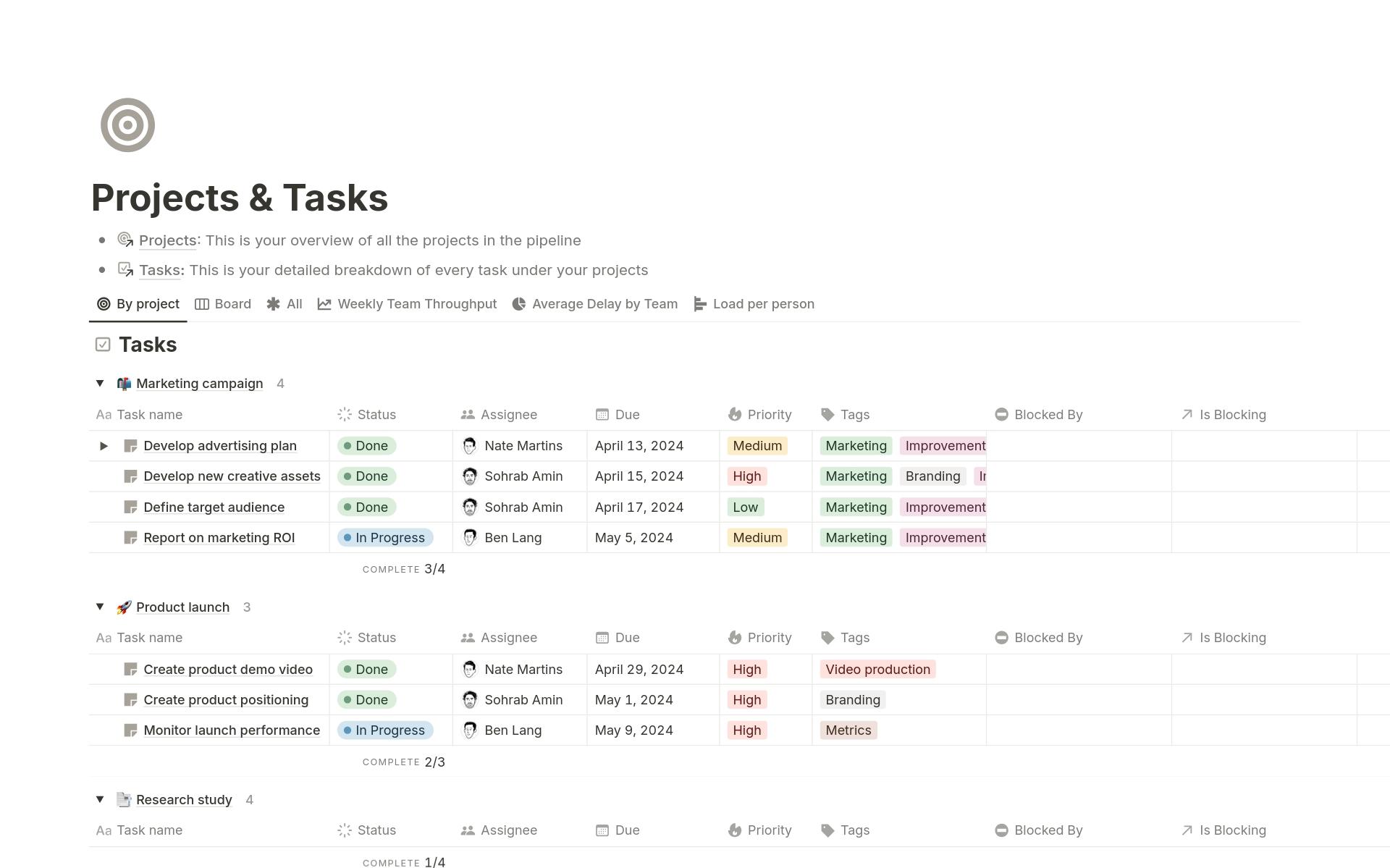
Harness the power of AI to create a smart side hustle tracker in Notion. Streamline your goals, automate task management, and gain real-time insights-all in one dynamic workspace designed to boost your entrepreneurial journey.
How to Use AI to Manage Your Personal Finances
Harness AI to transform your personal finances effortlessly. From tracking spending to smart budgeting and investment insights, AI tools offer tailored guidance-turning complex money management into a simple, stress-free experience.