In a world where technology intertwines with every facet of our lives, managing personal finances no longer means juggling spreadsheets or scribbling in notebooks. The rise of artificial intelligence offers a transformative approach, turning complex budgets into intuitive insights and overwhelming data into clear, actionable plans. Whether you’re a budgeting novice or a seasoned saver, AI has the potential to become your digital financial advisor, seamlessly guiding you toward smarter money decisions. This article explores how you can harness the power of AI to take control of your financial destiny with ease and confidence.
Table of Contents
- Harnessing AI for Smarter Budgeting and Expense Tracking
- Leveraging AI Tools to Optimize Your Investment Strategies
- Personalizing Financial Planning with AI Insights and Automation
- Q&A
- To Wrap It Up

Harnessing AI for Smarter Budgeting and Expense Tracking
By integrating AI into your financial routine, you can transform budgeting and expense tracking from tedious chores into insightful, automated processes. Advanced algorithms analyze your spending habits in real-time, categorize transactions with unmatched precision, and predict future expenses based on historical data. This empowers you to make well-informed decisions and spot saving opportunities effortlessly. Key features you can harness include:
- Automated categorization: AI sorts your expenses into intuitive categories, reducing manual entry and human error.
- Personalized budgeting: Dynamic budgets adapt to your lifestyle changes and income fluctuations, keeping goals realistic.
- Real-time alerts: Notifications for unusual spending or when approaching budget limits help prevent financial surprises.
- Predictive insights: AI forecasts upcoming bills and discretionary spending trends, allowing for strategic money management.
| Feature | Benefit | Example Tool |
|---|---|---|
| Spending Analysis | Identifies wasteful patterns | Mint, PocketGuard |
| Goal Tracking | Visual progress updates | YNAB, Emma |
| Bill Reminders | Avoids late fees | Prism, Truebill |
Leveraging AI Tools to Optimize Your Investment Strategies
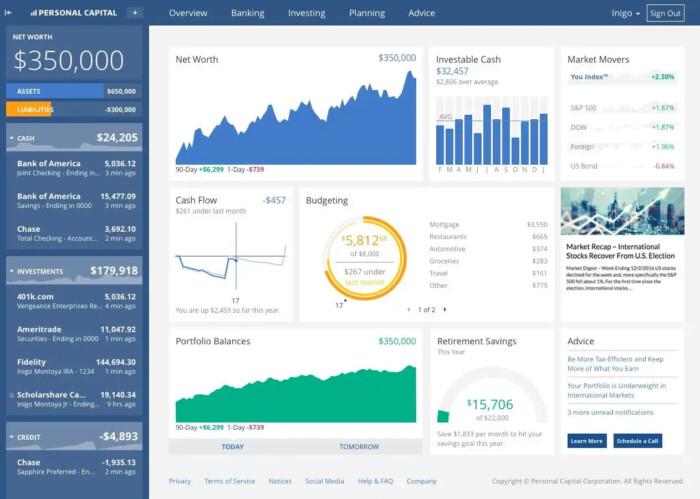
Incorporating AI into your investment decisions can significantly enhance efficiency and accuracy. By harnessing AI-powered analytics platforms, investors gain access to real-time market insights and predictive modeling that go beyond traditional methods. Consider the benefits of AI tools such as:
- Automated portfolio rebalancing to maintain optimal asset allocation without constant manual oversight.
- Sentiment analysis derived from social media and news, providing an edge in anticipating market movements.
- Risk assessment algorithms that dynamically adjust exposure based on evolving market conditions and personal financial goals.
Employing these AI capabilities transforms investment management into a proactive, data-driven process. Below is a comparison of traditional versus AI-assisted investment methods:
| Aspect | Traditional Approach | AI-Optimized Approach |
|---|---|---|
| Data Processing | Manual review, slower analysis | Instantaneous, comprehensive data synthesis |
| Decision Speed | Days to weeks | Milliseconds to minutes |
| Emotional Bias | High | Minimal |
| Risk Management | Periodic adjustments | Continuous, adaptive recalibration |

Personalizing Financial Planning with AI Insights and Automation
Harnessing the power of AI can transform your financial planning journey into a highly personalized and efficient experience. By leveraging AI-driven insights, you can analyze your spending patterns, set smarter savings goals, and receive tailored advice that adapts to your lifestyle changes. Automation tools work hand-in-hand with these insights to handle routine tasks such as bill payments, budget tracking, and investment rebalancing, freeing up your time to focus on bigger financial decisions. Consider the following benefits when integrating AI into your personal finance routine:
- Customized budget alerts that keep you on track without feeling restrictive.
- Intelligent savings suggestions based on your income fluctuations and spending habits.
- Automated investment portfolios designed to optimize returns according to your risk tolerance.
| AI Feature | Benefit | Example Tool |
|---|---|---|
| Spending Analysis | Identifies unnecessary expenses | Mint |
| Goal Tracking | Visualizes progress for motivation | YNAB |
| Automated Transfers | Ensures consistent savings | Qapital |
Q&A
Q&A: How to Use AI to Manage Your Personal Finances
Q1: What role does AI play in managing personal finances?
A1: AI acts like a smart financial assistant that analyzes your spending habits, income, and goals to provide personalized advice. It can automate tasks like budgeting, track expenses, alert you to unusual activity, and even suggest investment opportunities tailored to your risk tolerance.
Q2: How can AI help me create a budget?
A2: AI-powered apps sift through your transaction history and categorize your spending automatically. By identifying patterns, they generate realistic budgets and offer insights on where to cut back or optimize your expenses, making budgeting less daunting and more accurate.
Q3: Is AI reliable when it comes to financial advice?
A3: AI systems rely on data and algorithms, which means they provide recommendations based on patterns and historical information. While they can be highly effective for everyday money management, it’s still wise to combine AI insights with human judgment, especially for complex decisions.
Q4: Can AI assist with investing money?
A4: Absolutely! Robo-advisors use AI to construct and manage investment portfolios suited to your preferences and goals. They continually adjust allocations based on market trends and your changing needs, often at a fraction of the cost charged by traditional advisors.
Q5: What about privacy and security-are AI finance tools safe?
A5: Security is a big priority for reputable AI finance apps. They typically use encryption and comply with financial regulations to protect your data. However, users should always read privacy policies carefully and choose trusted providers to minimize risks.
Q6: How can AI help me avoid overspending?
A6: AI can send real-time alerts when you’re approaching budget limits or detect unusual transactions. By providing timely nudges, it encourages mindful spending and helps prevent financial mishaps before they happen.
Q7: Do I need to be tech-savvy to use AI financial tools?
A7: Not at all! Many AI finance apps are designed with user-friendly interfaces and simple onboarding processes. They guide you step-by-step, making AI-powered money management accessible even to beginners.
Q8: What’s the first step to integrating AI into my personal finance routine?
A8: Start by selecting a well-reviewed AI finance app that fits your needs-whether it’s budgeting, investing, or expense tracking. Link your accounts securely, set your financial goals, and let the AI analyze your data to begin receiving customized insights.
Q9: Can AI help me plan for long-term financial goals?
A9: Yes. AI tools can simulate different scenarios, such as saving for a house or retirement, and track your progress over time. They adjust recommendations based on your evolving circumstances, helping you stay on course toward your dreams.
Q10: How might AI evolve to further impact personal finance management?
A10: Future AI systems will likely become even more predictive and proactive, using advanced data analytics and behavioral insights to offer ultra-personalized strategies. Integrations with other smart technologies might also create seamless, holistic financial ecosystems in daily life.
To Wrap It Up
In the ever-evolving landscape of personal finance, AI emerges not as a distant futuristic concept, but as an accessible ally ready to bring clarity and control to your monetary world. By embracing AI tools thoughtfully, you empower yourself to make smarter decisions, spot trends before they escalate, and tailor your financial journey with precision. While technology is a powerful companion, the ultimate success lies in combining its insights with your personal goals and discipline. As you venture forward, let AI be the compass that guides your financial future-transforming uncertainty into opportunity, one algorithm at a time.