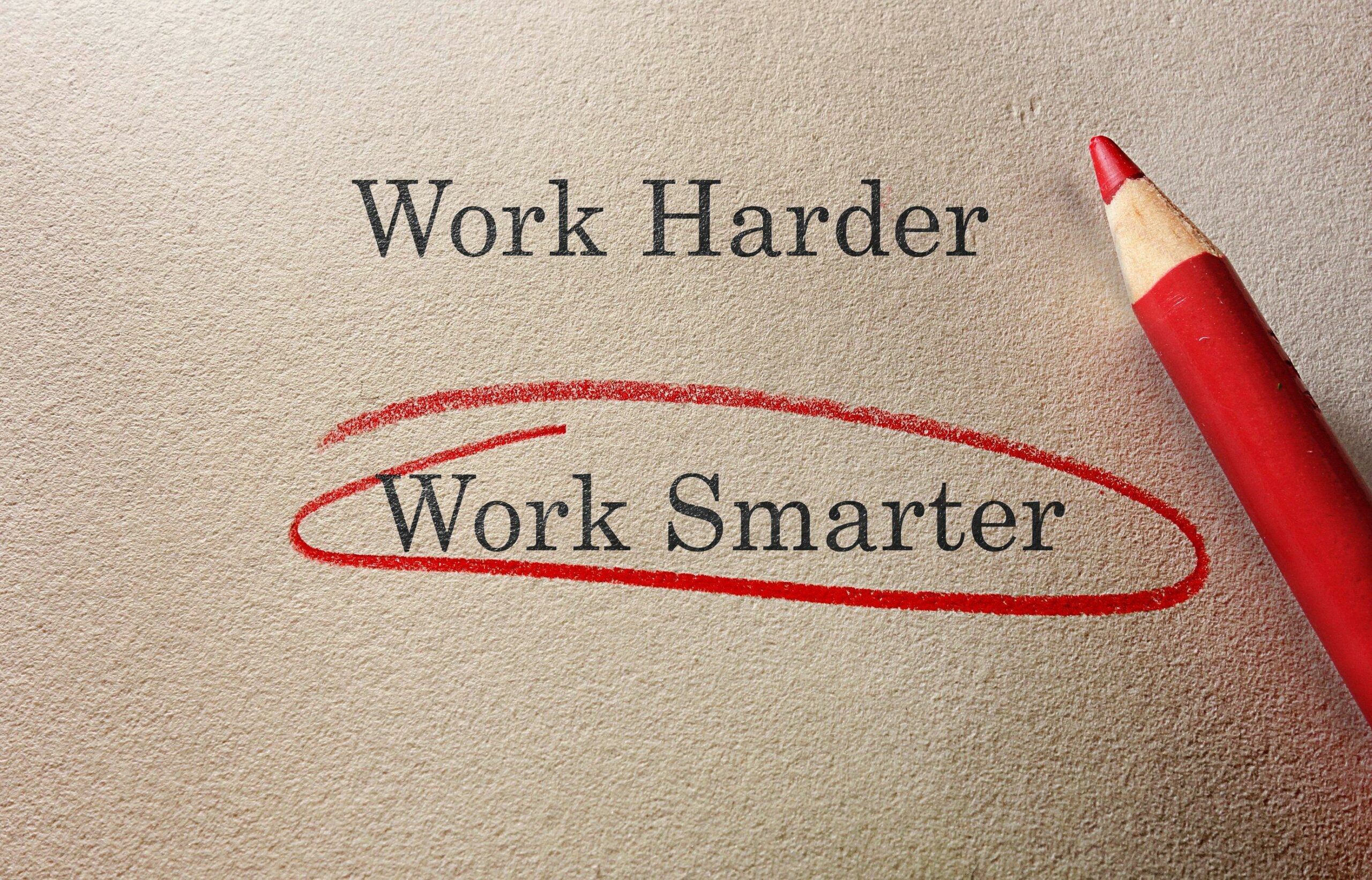
Work smarter, not harder productivity tips that work
Unlocking productivity lies in working smarter, not harder. Prioritize tasks with the Eisenhower Matrix, embrace time-blocking for focused bursts, and leverage technology to automate routine tasks. Small adjustments can lead to remarkable efficiency!
Traduzione in arrivo: per ora l’originale.
In an age where the hustle culture reigns supreme, the mantra “work harder” has long been championed as the ultimate path to success. Yet, as the demands of modern life grow increasingly complex, many are beginning to realize that sheer effort alone does not always yield the best results. the triumphant professionals of today are not just those who put in the longest hours, but those who embrace a more enlightened approach: working smarter, not harder. In this article, we delve into a collection of productivity tips that challenge conventional notions of work. Here, we explore strategies that streamline efforts, enhance focus, and ultimately pave the way for a more balanced and effective work life. Whether you’re a seasoned professional or a newcomer navigating the workforce, these insights will empower you to make each moment count—because in the journey toward productivity, efficiency is the name of the game.
Table of Contents
- Maximizing Efficiency Through Prioritization Techniques
- Harnessing Technology to Streamline Your Workflow
- Fostering a Mindful Work Environment for Enhanced Focus
- Cultivating Work-Life Balance to Boost Productivity
- Q&A
- Key Takeaways
Maximizing Efficiency Through Prioritization Techniques
To truly work smarter rather of harder, effective prioritization is essential.By identifying and focusing on what truly matters, you can streamline your tasks and maximize your productivity. Start by utilizing the **Eisenhower Matrix**, a simple yet powerful tool that categorizes tasks into four quadrants based on urgency and importance:
| Quadrant | task Type | Action |
|---|---|---|
| quadrant 1 | Urgent and Critically important | Do immediately |
| Quadrant 2 | not Urgent but Important | Schedule for later |
| Quadrant 3 | Urgent but Not Important | Delegate |
| Quadrant 4 | Not Urgent and Not Important | eliminate |
Another effective technique is the **ABCDE method**, where tasks are prioritized based on their meaning and impact on your goals. Assign an **A** to the most critical tasks that carry substantial consequences, while **E** stands for tasks that shoudl be eliminated. This method encourages you to focus your time and energy on high-impact activities, promoting a workflow that not only feels productive but also delivers meaningful results. Implementing these techniques will enable you to filter out distractions, concentrate on essential objectives, and ultimately work more efficiently.
Harnessing Technology to Streamline Your Workflow
In today’s fast-paced world, leveraging technology can be the game-changer in optimizing your daily processes. By integrating various tools into your workflow, you can eliminate repetitive tasks and enhance collaboration. Consider adopting solutions like:
- Project Management Software: Platforms like Trello or Asana help you organize projects efficiently, delegate tasks, and monitor progress in real time.
- Automation Tools: Software such as Zapier or Automate.io can connect your favorite applications, automating routine actions and drastically saving time.
- Time Management Apps: Utilize apps like Toggl or Clockify to track where your time goes and identify areas to improve efficiency.
Moreover, it’s essential to embrace cloud technology to foster a collaborative environment. Cloud storage services such as Google Drive or Dropbox allow you to access important documents from anywhere,ensuring seamless teamwork irrespective of physical location. Implementing virtual dialog platforms like Slack or Microsoft Teams centralizes communication, reducing email clutter and promoting instant feedback. To give you a clearer picture of how these tools mesh together, here’s a comparison:
| Tool Type | Popular Examples | Main Benefit |
|---|---|---|
| Project Management | Trello, Asana | Task organization and progress tracking |
| Automation | Zapier, Automate.io | Time-saving through task automation |
| Time Management | Toggl, Clockify | Insight into time usage for improvement |
| Cloud Storage | Google Drive, Dropbox | Accessibility from anywhere for collaboration |
Fostering a Mindful Work Environment for Enhanced Focus
Creating a workplace that promotes mindfulness can significantly enhance focus and productivity. one effective method is to implement designated quiet zones.These areas should be free from distractions, offering employees a calm space to concentrate on tasks. Additionally, encouraging regular breaks can prevent mental fatigue; short pauses allow for mental reset, which enhances clarity when returning to work. Consider the following strategies to cultivate mindfulness:
- Mindful Mornings: Start the day with a brief meditation or deep-breathing exercise.
- Digital Detox: schedule specific times for checking emails and messages, limiting disruptions.
- Nature integration: Introduce plants or natural light to create a soothing atmosphere.
Workshops focused on mindfulness and emotional intelligence can further empower employees. Providing tools such as guided meditations or workshops encourages individuals to develop their personal mindfulness practices, promoting a healthier mindset throughout the organization. Consider organizing these elements into a simple framework to outline the benefits:
| Mindfulness Practice | Benefits |
|---|---|
| Mindful Breathing | Reduces stress and enhances focus |
| Regular Breaks | boosts creativity and energy levels |
| Nature Walks | Improves mood and cognitive function |
Cultivating Work-Life Balance to Boost Productivity
To enhance your efficiency and minimize burnout, fostering a balanced approach to both work and life is essential. When you devote time to recharge, be it through hobbies, exercise, or spending time with loved ones, you create a mental space that boosts your problem-solving abilities and creativity. Implementing **structured breaks** into your work routine can maximize your focus and rejuvenate your mind. Consider the following strategies:
- **Set Boundaries:** Clearly outline your work hours and personal time.
- **Prioritize Self-Care:** Incorporate activities that nourish your body and mind.
- **Schedule Downtime:** Block time in your calendar for relaxing and disconnecting.
Adopting these practices can lead to a profound transformation in your productivity levels. Actualizing a state of equilibrium fosters not just mental well-being but also enhances your ability to respond to work-related challenges effectively. Utilize tools that assist in maintaining this balance, such as the following:
| Tool | Description |
|---|---|
| Time Blocking | A method to segment your day into dedicated work and rest intervals. |
| Meditation Apps | Guidance for mindfulness to help reduce stress. |
| Task Management Software | Organizes tasks to help streamline workloads and deadlines. |
Q&A
**Q&A: Work Smarter, Not Harder - Productivity Tips That Really Work**
**Q: What does “work smarter, not harder” really mean?**
A: The phrase emphasizes efficiency over sheer effort. It suggests that productivity is less about the hours put in and more about how effectively one utilizes their time, skills, and resources to achieve goals.
**Q: Can you share a few practical tips for working smarter?**
A: Absolutely! Here are some effective strategies:
1.**Prioritize Tasks**: Use techniques like the Eisenhower Matrix to identify what’s urgent and important, allowing you to focus on high-impact activities.
2. **Set Short, Defined Goals**: Break larger projects into manageable tasks and set timelines. This reduces overwhelm and enhances focus.
3. **Leverage Technology**: Utilize apps and tools for task management and automation to streamline workflows, such as Trello, Asana, or Zapier.
4. **Eliminate Distractions**: Identify your distractions and create an environment conducive to focus. This might mean decluttering your workspace or using website blockers.
**Q: How can I improve my time management skills?**
A: Effective time management starts with awareness and planning. Try these techniques:
– **Time Blocking**: Allocate specific chunks of your day for dedicated tasks,allowing for deeper work without interruptions.
– **The Pomodoro Technique**: Work for 25 minutes followed by a 5-minute break.This boosts concentration and prevents burnout.
– **Review and Reflect**: At the end of each week, examine what you accomplished and where you spent your time, adjusting your strategies accordingly.
**Q: Is it really possible to be productive without working long hours?**
A: Yes, it’s absolutely possible! Quality over quantity is key. Research shows that individuals often produce better work in fewer hours when they are focused, engaged, and working in a conducive environment. It’s all about making each minute count.
**Q: What role does self-care play in productivity?**
A: Self-care is vital for maintaining energy and focus.Regular breaks, exercise, and mindfulness practice can recharge your mental batteries, enhancing long-term productivity. When you feel good physically and mentally, you’re less likely to succumb to burnout.
**Q: How do I stay motivated while implementing these changes?**
A: Motivation can be a challenge when shifting habits. Start small; choose one or two tips to implement, and celebrate your successes along the way.Keeping a visual reminder of your goals or creating an accountability partnership with a colleague can also help maintain your motivation.
**Q: Can these tips be applied to team settings?**
A: definitely! Encourage your team to adopt these practices collectively. regular check-ins, sharing progress, and collaborating on set goals can foster a culture of productivity. Additionally, using collaborative tools can streamline communication and reduce the time spent in meetings.
**Q: What’s the ultimate takeaway from adopting a “work smarter” mindset?**
A: Embracing a “work smarter, not harder” philosophy leads to a healthier work-life balance, reduced stress, and overall job satisfaction. By focusing on efficiency and quality, you’re more likely to achieve your objectives while enjoying the journey.
Key Takeaways
in a world that often equates busyness with productivity, it’s time to shift our perspective. Embracing the philosophy of ”Work smarter, not harder” invites us to leverage our energy and time more effectively, paving the way for a fulfilling and sustainable work life.By incorporating the productivity tips outlined in this article, you can create a smarter approach tailored to your unique needs and aspirations.
Remember, the journey to enhanced productivity is often about small, incremental changes rather than sweeping transformations. Experiment with the strategies that resonate with you,and don’t hesitate to adjust them along the way. As you cultivate habits that prioritize efficiency and clarity, you may find that not only do you accomplish more, but you also reclaim time for what truly matters.
So, as you step away from this article, take a moment to reflect: How can you redefine your work ethic to embrace a smarter methodology? The tools are in your hands—now it’s time to put them into action.Here’s to a more intentional and productive approach to your work, one that empowers you to thrive without sacrificing your wellbeing. Happy working!
This article follows our Google People-First Editorial Framework: reader problem addressed up front, reproducible workflows, verified benchmarks, and honest limitations. Tested by our technical desk. See our About & Editorial Standards or submit a correction.

● Continua a leggere
Come ho utilizzato l'intelligenza artificiale per trasformare le mie conversazioni ChatGPT in idee per post di blog
Sblocca un flusso costante di idee per i post del blog trasformando le chat ChatGPT in miniere d'oro di contenuti. Aumenta la creatività e dimezza i tempi di brainstorming con l'ispirazione basata sull'intelligenza artificiale.

Guida passo passo all'utilizzo di ChatGPT e Canva AI per la progettazione dei pin di Pinterest in meno di 1 ora
Padroneggia la progettazione dei pin di Pinterest in meno di 1 ora combinando la generazione di testo intelligente di ChatGPT con le immagini fluide di Canva AI: aumenta il tuo coinvolgimento con pin accattivanti e pronti per essere pubblicati rapidamente.

Come un blogger di finanza personale ha utilizzato l'intelligenza artificiale per scrivere 50 articoli ottimizzati per il SEO in 30 giorni
Un blogger di finanza personale ha sfruttato l'intelligenza artificiale per creare 50 articoli ottimizzati per la SEO in soli 30 giorni, aumentando il traffico sul sito e risparmiando innumerevoli ore sulla creazione di contenuti.