
In today’s fast-paced digital marketplace, capturing your customers’ attention with compelling product descriptions is more important than ever. Harnessing the power of AI can transform how you craft these descriptions-making them not only engaging but also highly persuasive. Whether you’re a small business owner or a seasoned marketer, learning how to use AI effectively can give your products the spotlight they deserve. Let’s explore how AI can help you write descriptions that truly sell.
Table of Contents
- Understanding the Role of AI in Crafting Persuasive Product Descriptions
- Choosing the Right AI Tools for Your Product Writing Needs
- Harnessing Customer Data to Tailor AI-Generated Descriptions
- Balancing Creativity and SEO in AI-Driven Content
- Editing and Enhancing AI Outputs for Authentic Brand Voice
- Testing and Optimizing AI-Written Descriptions for Higher Conversion
- Integrating AI with Human Insights for Maximum Sales Impact
- Q&A
- Future Outlook
Understanding the Role of AI in Crafting Persuasive Product Descriptions
AI has transformed the way product descriptions are crafted by infusing them with a deep understanding of consumer psychology and natural language nuance. Unlike traditional copywriting that relies heavily on manual creativity, AI leverages vast datasets to identify patterns that resonate with target audiences. This means product descriptions can be tailored to highlight benefits and features that truly matter, turning casual browsers into motivated buyers with precision.
Harnessing AI tools can significantly streamline the creative process:
- Generate multiple description variations instantly to test which style converts best.
- Optimize keyword placement for better search engine visibility without sounding robotic.
- Analyze competitors’ language to craft unique, standout copy that highlights distinct value propositions.
- Adapt tone and style dynamically based on product category and target demographics.
With these capabilities, AI ensures each description is not only compelling but also data-driven. The sophisticated algorithms predict buyer intent and emotional triggers, painting vivid product imagery through words that engage both logic and emotion. This synergy between creativity and technology is rapidly redefining effective ecommerce storytelling.
| AI Function | Benefit for Product Descriptions |
|---|---|
| Natural Language Generation | Crafts fluent, human-like narratives that connect with readers |
| Sentiment Analysis | Ensures tone resonates positively with target audience |
| Keyword Optimization | Boosts SEO without sacrificing readability |
| Competitive Analysis | Identifies gaps to emphasize unique product strengths |
Choosing the Right AI Tools for Your Product Writing Needs
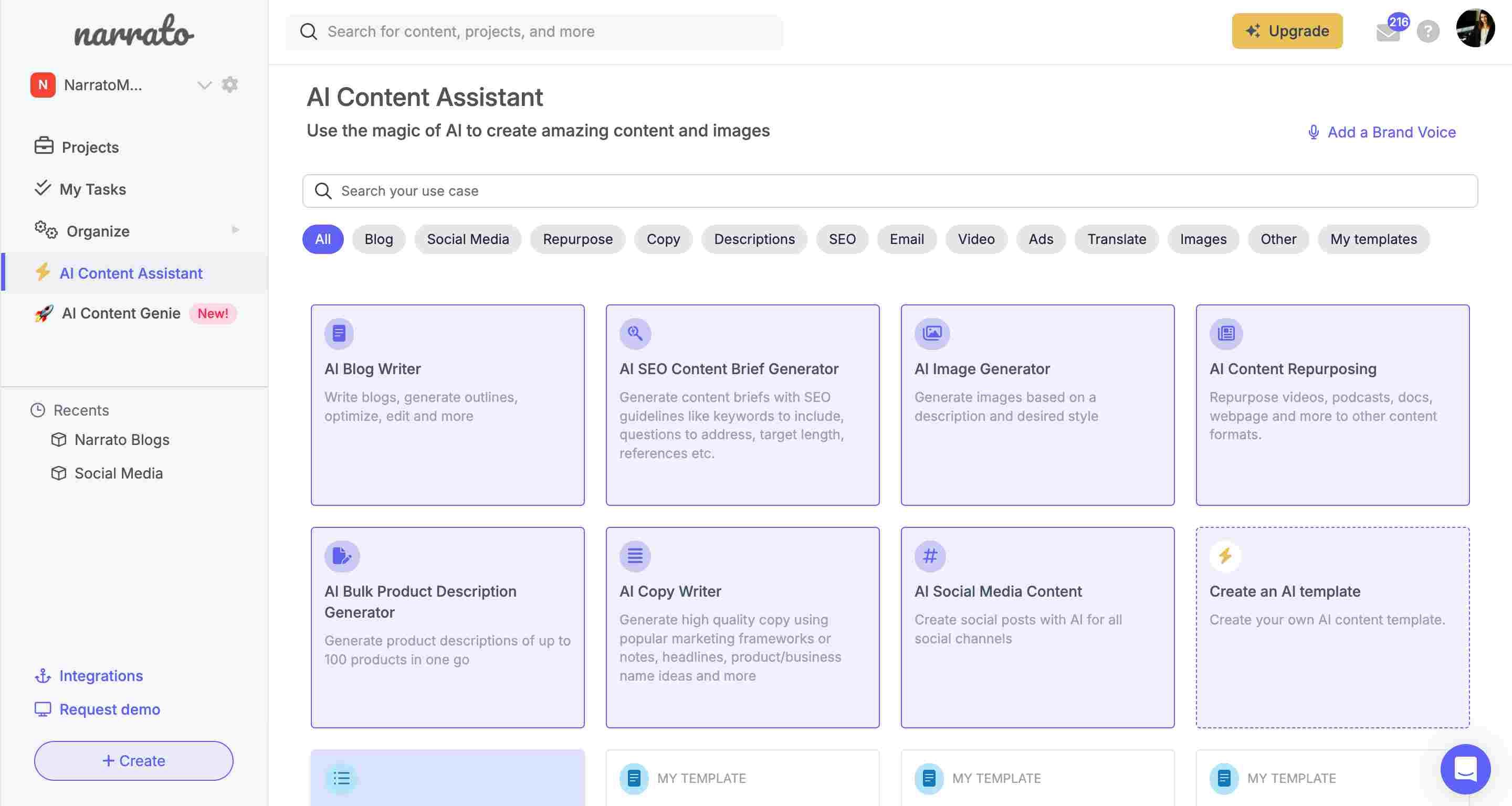
When selecting AI tools for crafting compelling product descriptions, prioritizing one that balances creativity and precision is essential. Not all AI platforms are created equal; some excel at generating vivid storytelling, while others focus on accuracy and SEO optimization. Look for tools that offer customizable tone settings, so the voice can be adjusted to match your brand-from friendly and casual to professional and authoritative.
Key features to evaluate include:
- Natural language processing capabilities that understand product nuances
- Integration options with your existing e-commerce platforms
- SEO recommendation engines for keyword incorporation without keyword stuffing
- Ability to generate multiple variations for A/B testing and audience targeting
A practical way to compare AI tools is by tracking how they perform on essential metrics like relevance, engagement, and conversion rate improvements. The table below highlights a simple framework you can use when assessing different AI writing assistants:
| Tool | Creativity | SEO Features | Integration Ease |
|---|---|---|---|
| WriteGenie | High | Advanced | Moderate |
| CopyCraft | Medium | Basic | High |
| DescriptoPro | High | Advanced | High |
Ultimately, the right AI companion will adapt to your workflow and elevate your product storytelling rather than replace your unique voice. Experiment with different tools and leverage their strengths to build descriptions that don’t just inform but truly sell.
Harnessing Customer Data to Tailor AI-Generated Descriptions
Understanding your customers is the cornerstone of crafting compelling product descriptions that resonate and convert. By leveraging customer data such as browsing behavior, purchase history, and feedback, AI-powered tools can generate descriptions that speak directly to your audience’s preferences and pain points. This tailored approach not only enhances relevance but also increases engagement, making each product feel thoughtfully presented.
AI systems excel when fed with rich and varied data inputs. Consider integrating demographic insights, seasonal trends, and even social media sentiment to create dynamic descriptions that adjust in real-time. For example, a product description for a winter jacket might emphasize warmth and durability to customers in colder regions, while focusing on style and layering potential for urban shoppers. This level of personalization drives a deeper connection with potential buyers.
- Behavioral patterns: Use data on what customers click and purchase frequently.
- Feedback analysis: Incorporate common praises or concerns found in reviews.
- Segment-specific language: Adapt tone and vocabulary to match different audience segments.
| Customer Segment | Data Source | Description Focus |
|---|---|---|
| Tech Enthusiasts | Purchase History, Reviews | Feature specs, innovation highlights |
| Eco-Conscious Shoppers | Surveys, Social Media | Sustainability, materials, ethics |
| Budget Buyers | Browsing Patterns | Affordability, value propositions |

Balancing Creativity and SEO in AI-Driven Content
Striking the perfect harmony between imaginative copy and technical SEO is a subtle art that AI tools can surprisingly excel at when guided well. While AI offers the efficiency of keyword integration and structural optimization, it’s vital to infuse these automated outputs with human creativity to ensure the product descriptions resonate emotionally with potential buyers.
Start by identifying core keywords that are essential for search visibility but don’t overshadow the message you want to convey. Use AI to generate multiple variations of a description incorporating these keywords naturally, then refine the tone, add vivid imagery, and tweak phrasing to evoke a stronger connection. Remember, SEO is the map that leads customers to your product, but creativity is the captivating voice that convinces them to stay.
- Balance keyword density: Avoid stuffing keywords; aim for seamless inclusion that enhances readability.
- Prioritize unique value propositions: Highlight what makes the product stand out beyond just features.
- Use AI for A/B testing: Experiment with different descriptions to find the best-performing balance.
| Creative Element | SEO Benefit | AI Role |
|---|---|---|
| Engaging storytelling | Increases user engagement and time on page | Suggests narrative angles based on product info |
| Keyword integration | Improves search rankings | Analyzes and inserts relevant keywords |
| Concise formatting | Enhances readability and conversion | Generates multiple brief versions for testing |
Editing and Enhancing AI Outputs for Authentic Brand Voice
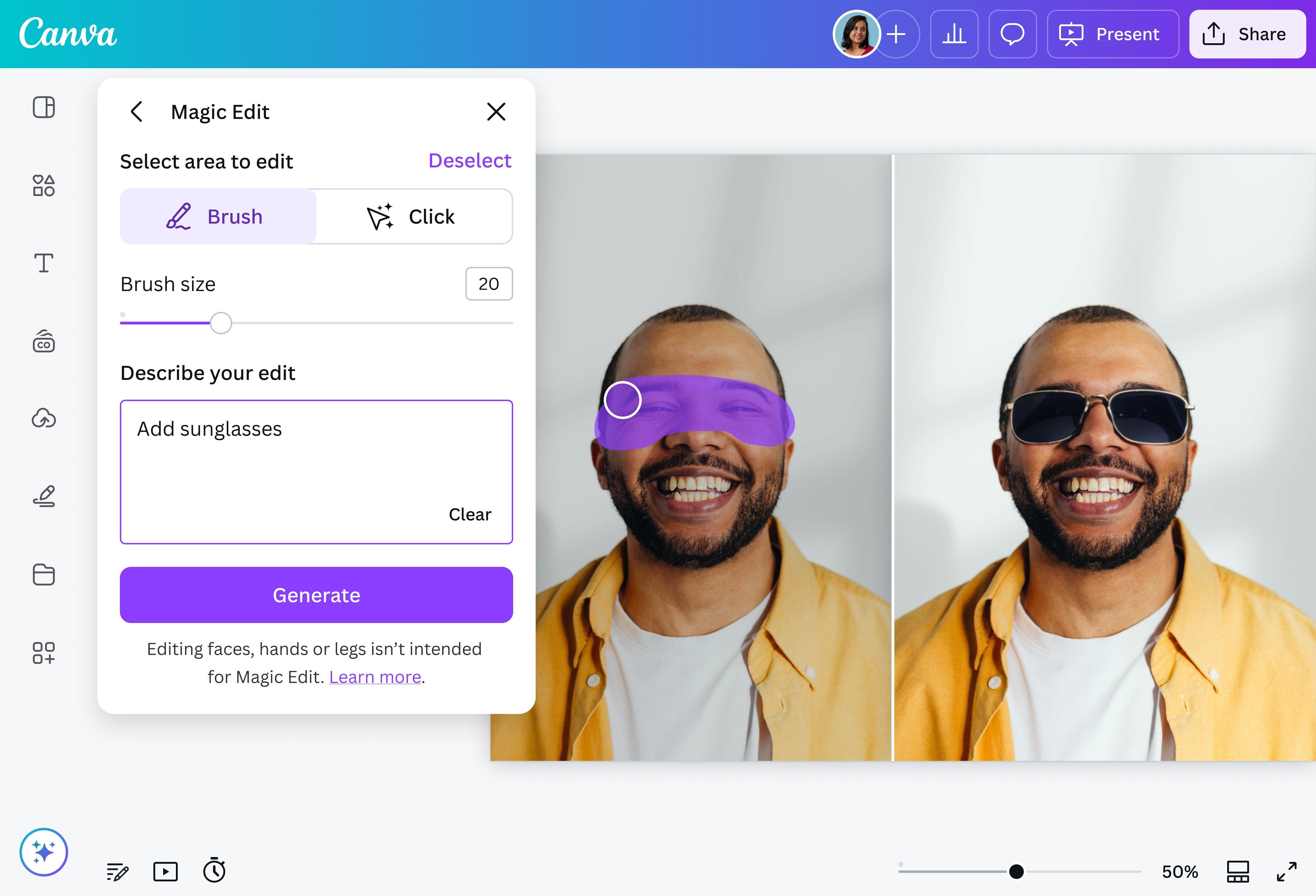
AI-generated text can be a fantastic starting point, but it rarely captures the unique essence of your brand on its own. To maintain authenticity, it’s crucial to carefully refine the tone, vocabulary, and style so the descriptions resonate with your audience and stay true to your company’s identity. Start by reviewing the AI output for phrases or expressions that feel generic or inconsistent with your brand voice, then tweak those sections using familiar language that your customers recognize and trust.
Remember, AI tools can sometimes overuse buzzwords or opt for a bland, overly polished tone that lacks personality. Enhancing these outputs can be as simple as:
- Incorporating brand-specific terminology or slogans.
- Adding subtle humor or emotional triggers aligned with your messaging.
- Varying sentence structure for natural flow and impact.
- Ensuring benefits and features highlight what truly differentiates your product.
For teams working with content templates, a quick reference table like this can be very helpful:
| AI Output | Brand-Enhanced Version | Reason |
|---|---|---|
| “Our product is the best on the market.” | “Crafted with care, our product outshines every competitor in quality.” | More specific and emotional; aligns with brand’s premium positioning. |
| “You will love this feature.” | “Experience the feature that makes life easier, day after day.” | Connects emotionally and emphasizes consistent benefit. |
| “Affordable and reliable.” | “Value you can trust, without compromise.” | Speaks directly to brand promise with stronger appeal. |
Testing and Optimizing AI-Written Descriptions for Higher Conversion
To truly capitalize on AI-generated product descriptions, a strategic approach to testing and refinement is essential. Start by setting clear performance metrics such as click-through rates, time on page, and conversion percentages. Use A/B testing tools to compare different AI-generated variants against your current descriptions or among several new options. This will help identify which copy resonates best with your audience, driving higher engagement.
Analyze qualitative feedback alongside quantitative data. Customer reviews, surveys, and heatmaps can reveal emotional triggers and friction points that numbers alone might miss. Integrate this insight to tweak tone, length, or feature emphasis, making the descriptions not only informative but compelling and relatable.
- Test distinct value propositions and call-to-action phrases
- Experiment with varying levels of technical detail vs. storytelling
- Optimize formatting like bullet points, bold highlights, and short paragraphs for better readability
| Test Element | Impact on Conversion | Example Change |
|---|---|---|
| Headline | Moderate (+5-10%) |
From “High-Quality Blender” to “Blend Like a Pro in Seconds” |
| Emotive Language | High (+15-20%) |
Adding feelings of joy or convenience |
| Bullet Points | Low to Moderate (+5%) |
Highlighting top features succinctly |
Iterating based on these findings ensures the AI doesn’t just write descriptions – it crafts persuasive narratives tailored for your market, steadily increasing conversions and boosting your bottom line.
Integrating AI with Human Insights for Maximum Sales Impact
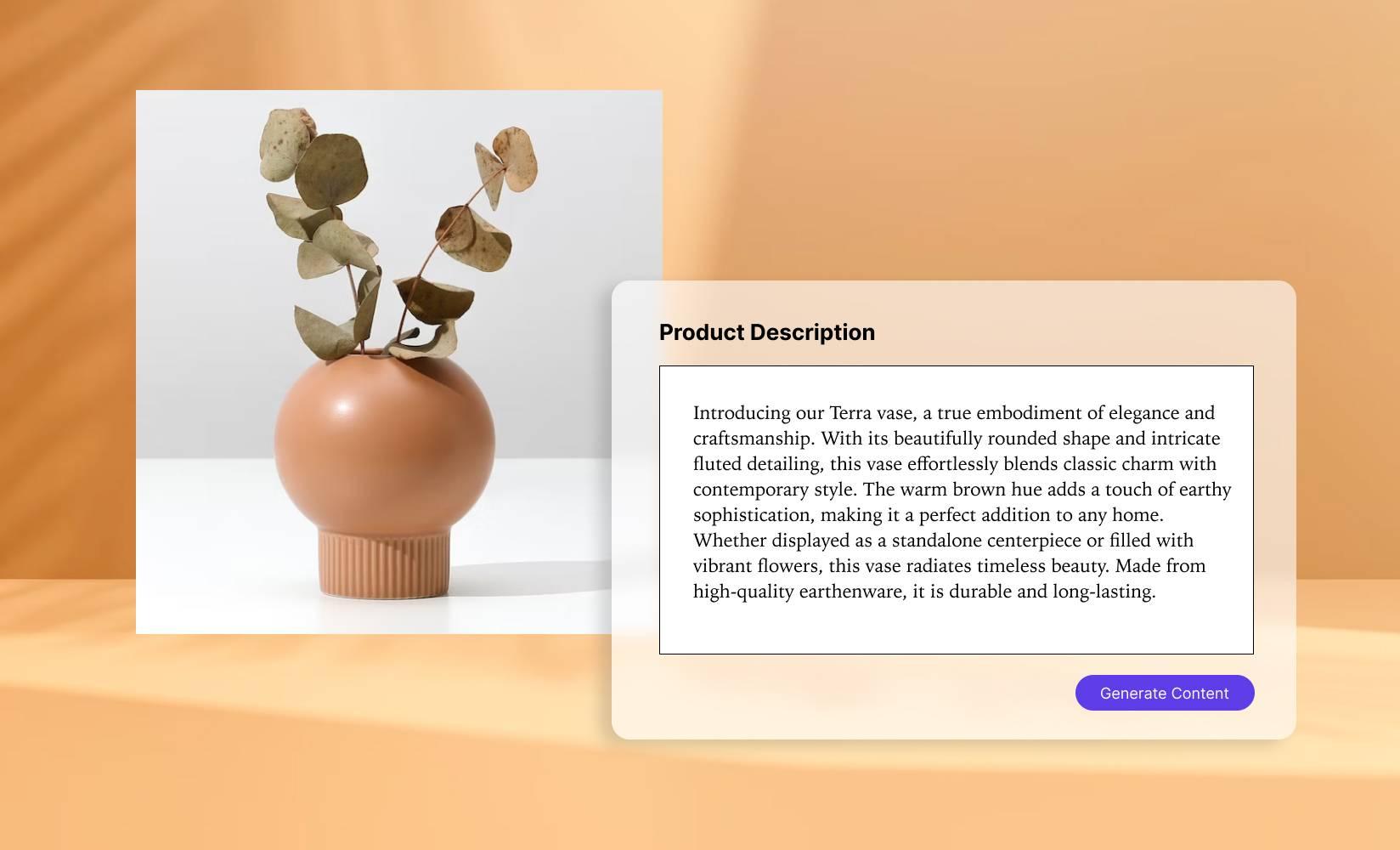
Leveraging AI to craft compelling product descriptions unlocks incredible efficiency, but pairing it with human insights truly elevates the sales narrative. AI excels at processing vast datasets, identifying trending keywords, and generating consistent copy, yet it often lacks the nuanced understanding of customer emotions and brand voice that only a human can infuse. This balance creates descriptions that not only inform but also resonate deeply with potential buyers.
To harness this synergy, consider a workflow where AI drafts the initial copy, focusing on key features and SEO optimization, while humans refine the tone, insert storytelling elements, and address customer pain points. This collaborative approach ensures product descriptions are both data-driven and emotionally engaging-driving higher conversions and fostering customer trust.
- AI-driven insights identify the most impactful product attributes and buyer intent phrases.
- Human creativity personalizes language to evoke desire and align with brand identity.
- Continuous feedback loops help AI models learn from customer interactions and improve over time.
| Aspect | AI Contribution | Human Contribution |
|---|---|---|
| Keyword Integration | Accurate, high-volume suggestions | Contextual refinement to avoid keyword stuffing |
| Emotional Appeal | Limited creativity | Storytelling, empathy, brand tone |
| Consistency | Uniform structure and style | Individualized adjustments per product |
Q&A
Q: Can AI replace human writers for product descriptions?
A: AI is a powerful co-writer that speeds up drafting and scales output, but it doesn’t fully replace human judgment. Humans shape brand voice, catch nuance or compliance issues, and verify factual accuracy.
Q: How do I stop AI from inventing product features?
A: Feed the model clear product specs and include a strict prompt like “use only the information provided.” Always build a short verification step into your workflow so a human checks features, measurements, and claims before publishing.
Q: How can I make AI-generated descriptions SEO-friendly and unique?
A: Include target keywords in your prompt and ask for natural variations and multiple length options (short blurb, long paragraph, bullets). Then use plagiarism/uniqueness checks and slight human edits to keep tone distinct and avoid repetition across listings.
Q: What kind of prompt gets the best results?
A: Give a concise brief: product details, target audience, desired tone, length, keyword focus, and an example of preferred style, plus constraints like “no invented facts.” Request 3-4 variants and one bullet summary to speed A/B testing and listings.
Future Outlook
AI helps you scale persuasive, SEO-friendly product descriptions, personalize messaging for different shoppers, and iterate quickly to find what converts. Try the tips above-then share your results or read more for deeper prompts and examples.