

In today’s fast-paced digital world, crafting insightful case study blog posts can set your content apart-if you know how to do it efficiently. Artificial Intelligence is transforming the way we research, draft, and polish these in-depth stories, making the process smarter and faster. Whether you’re a seasoned writer or just starting out, learning to harness AI tools can unlock new levels of creativity and precision. Let’s explore how AI can become your secret weapon for writing compelling case studies that captivate readers and showcase real-world success.
Table of Contents
- Understanding the Role of AI in Crafting Compelling Case Studies
- Identifying Key Data Points for Effective AI-Driven Storytelling
- Leveraging AI Tools to Structure and Outline Your Blog Post
- Enhancing Narrative Flow with AI-Powered Language Suggestions
- Balancing Automation and Human Touch in Case Study Writing
- Optimizing SEO and Readability Using AI Insights
- Reviewing and Refining AI-Generated Content for Authenticity
- Q&A
- In Summary
Understanding the Role of AI in Crafting Compelling Case Studies
Artificial Intelligence has revolutionized the way content creators approach case studies by streamlining the research and writing process. Leveraging AI tools allows writers to gather vast amounts of relevant data quickly, identify key insights, and even generate compelling narratives without sacrificing accuracy or depth. This intelligent assistance transforms traditionally time-consuming tasks into efficient workflows, enabling authors to focus on adding their unique perspectives and polish.
Beyond data aggregation, AI excels at distilling complex information into clear, digestible formats. Through natural language processing and sentiment analysis, AI helps in identifying the most impactful success metrics and client testimonials, ensuring that the case study resonates with its target audience. Moreover, AI-powered grammar and style suggestions elevate the readability and professionalism of the final piece.
Key benefits of integrating AI in case study writing include:
- Speedy content generation paired with thorough data accuracy
- Enhanced storytelling through pattern recognition and emotional tone adjustment
- Automated formatting and SEO optimization for greater online visibility
- Consistent voice and style across multiple case studies
| AI Feature | Use in Case Study Writing | Impact |
|---|---|---|
| Data Analysis | Extracts trends and key metrics | Increases factual accuracy and insight |
| Natural Language Generation | Converts data into narrative content | Saves time and enhances flow |
| Sentiment Analysis | Identifies positive testimonials | Boosts emotional engagement |

Identifying Key Data Points for Effective AI-Driven Storytelling
When crafting an AI-driven case study, pinpointing the most impactful data points is essential to shape a compelling narrative. Start by gathering quantitative metrics that demonstrate clear outcomes-such as percentage growth, time saved, or revenue generated. These hard numbers provide a factual backbone that AI can weave into persuasive storytelling.
Equally important are qualitative insights like customer testimonials, challenges overcome, and unique strategies employed. These enrich the story, lending authenticity and emotional resonance that statistics alone cannot achieve. Ensure you highlight specific turning points or breakthroughs within the case, as these moments are crucial for drawing readers in and illustrating transformation.
| Data Point | AI Utilization | Impact on Story |
|---|---|---|
| Revenue Increase (%) | Highlight growth trends and forecasts | Demonstrates tangible success |
| Customer Feedback Snippets | Extract key sentiments and themes | Builds trust and relatability |
| Implementation Timeline | Map critical milestones | Shows progress and agility |

Leveraging AI Tools to Structure and Outline Your Blog Post
When crafting a compelling case study, having a solid structure is crucial. AI-powered tools can act as your personal editor, helping you break down complex narratives into digestible segments. Tools like ChatGPT and Jasper AI allow you to input your raw data and research points, instantly generating a clear outline that highlights key elements such as challenges, solutions, and results. This process saves precious time and ensures that every critical aspect is addressed effectively.
Consider these core components to include in your outline:
- Introduction: Present the client or project background succinctly.
- Problem Statement: Define the challenges faced before the intervention.
- Solution: Describe the strategies and tools implemented.
- Results and Impact: Use data points to quantify success.
- Conclusion: Reflect on lessons learned and future outlook.
Many AI platforms also offer visualization features, turning your outline into flowcharts or tables that clarify the post’s roadmap at a glance. For instance, leveraging AI to create tables like the one below can help you organize your case study’s progress systematically:
| Section | Purpose | Content Tips |
|---|---|---|
| Introduction | Set context | Keep it brief and engaging |
| Problem | Define challenges | Be specific and relatable |
| Solution | Explain actions | Highlight innovation and tools used |
| Results | Showcase outcomes | Include metrics and testimonials |
| Conclusion | Summarize and reflect | End with forward-thinking insights |
By letting AI guide the structuring and outlining phase, you maintain editorial control while benefiting from automated precision and creative suggestions. This hybrid approach empowers writers to focus on storytelling rather than getting bogged down in planning details, resulting in sharper, more persuasive case study posts.

Enhancing Narrative Flow with AI-Powered Language Suggestions
Seamlessly guiding your readers through complex case study details is a challenge that AI language tools can effortlessly tackle. By analyzing the context and identifying where narrative breaks or vague transitions occur, AI-powered suggestions propose alternatives that make your storytelling smoother and more engaging. This technology doesn’t just offer synonyms; it restructures sentences to maintain clarity and momentum, ensuring your readers remain hooked from introduction to conclusion.
Leveraging AI means you can:
- Discover natural transition phrases that connect sections coherently without sounding mechanical.
- Balance technical jargon and readability, tailoring language to suit diverse audiences.
- Enhance pacing by identifying sentences that are too complex or lengthy and suggesting concise rewrites.
- Spot redundant elements and recommend trimming to keep the narrative focused and impactful.
| Feature | Impact on Narrative |
|---|---|
| Contextual Rephrasing | Boosts readability and flow |
| Tone Adaptation | Keeps voice consistent |
| Transition Suggestions | Connects ideas naturally |
| Conciseness Checks | Eliminates fluff and filler |
Integrating these AI suggestions into your writing routine transforms raw drafts into polished narratives that resonate. With each revision informed by intelligent input, your case study blog posts will not only convey data effectively but also tell compelling stories that keep readers coming back for more.
Balancing Automation and Human Touch in Case Study Writing
Striking the perfect balance between automation and a human touch is crucial in crafting compelling case studies. While AI can efficiently generate data-driven summaries, identify key insights, and format the structure, it often lacks the emotional nuance and storytelling flair that resonates with readers on a deeper level.
Human input enriches the narrative by adding context, empathy, and the subtle details that transform dry facts into engaging stories. For instance, incorporating client quotes, personal challenges, and strategic decisions allows the case study to communicate not just what happened, but why it mattered. This empathetic storytelling fosters trust and connection-qualities that raw automation rarely achieves.
To harmonize technology and creativity, consider using AI as a research and drafting assistant rather than the sole author. Employ AI tools to handle:
- Data extraction and summarization
- Initial content outlining
- SEO keyword integration
Then overlay these outputs with human insights, contextual refinement, and a distinct voice. This partnership maximizes efficiency while preserving authenticity and engagement.
| Aspect | AI Contribution | Human Contribution |
|---|---|---|
| Research | Quick data gathering and analysis | Verification and contextual relevance |
| Writing | Drafting and SEO optimization | Storytelling and tone adjustment |
| Editing | Grammar and plagiarism checks | Stylistic coherence and flow |
Optimizing SEO and Readability Using AI Insights
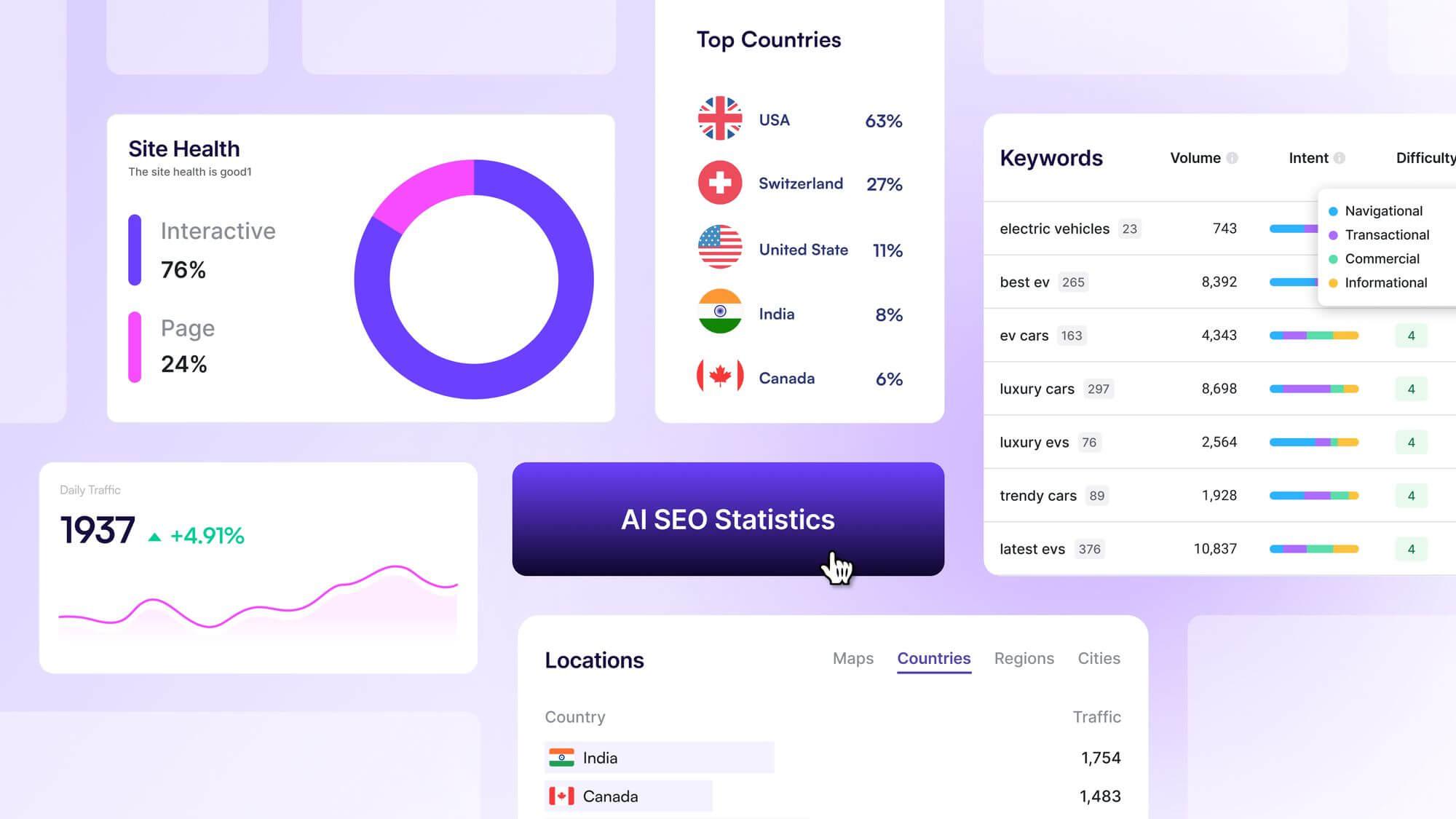
Harnessing AI tools to boost your content’s visibility and engagement starts with understanding how search engines interpret your text. AI-powered analysis can recommend keyword placement that feels natural rather than forced, aligning with user search intent while preserving authentic storytelling. This balance is crucial for case studies, where context and detail matter just as much as optimization.
Beyond keywords, AI extends its utility by enhancing readability. Algorithms can score your draft, suggesting sentence restructuring or breaking down dense paragraphs to improve flow. Incorporating concise headers, bullet points, and varied sentence lengths-many insights drawn from AI feedback-creates a dynamic reading experience that holds attention.
- Semantic keyword suggestions: Target topics, not just exact phrases
- Readability scoring: Identifying tough sentences and jargon
- Content structure analysis: Optimizing headings for skimmability
- Engagement prediction: Forecasting which sections may resonate strongest with readers
| SEO Factor | AI Optimization Tip | Expected Outcome |
|---|---|---|
| Keyword Integration | Use semantically related terms throughout | Higher relevance for search queries |
| Sentence Length | Mix short and medium sentences | Enhanced readability and flow |
| Heading Hierarchy | Apply clear H2 and H3 tags | Better content organization |

Reviewing and Refining AI-Generated Content for Authenticity
AI tools can be incredibly efficient in assembling case study blog posts, but it’s crucial to approach the output with a critical eye. Authenticity hinges on the subtle nuances of storytelling-details that AI might gloss over or misinterpret. Start by verifying all facts, figures, and quotes generated by AI to ensure they are accurate and contextualized properly. This initial review step safeguards against unintentionally spreading misinformation or fabrications.
Refining the voice and tone is equally important. AI models usually produce content that is neutral and standardized, which might feel impersonal or detached. Injecting a human touch-through anecdotal insights, emotional cues, and a consistent brand voice-helps build genuine connections with readers. Don’t hesitate to revise sections that sound robotic or generic.
- Cross-check data with original sources
- Enhance storytelling by adding human experiences
- Adjust tone to align with your brand identity
- Replace jargon with accessible language
| Common AI Issue | Refinement Technique |
|---|---|
| Overgeneralization | Add specific customer quotes or anecdotes |
| Repetitive phrasing | Use varied sentence structures |
| Inconsistent tone | Rewrite for unified voice |
| Factual inaccuracies | Cross-verify with trusted sources |
Q&A
Q: Can AI write an entire case study blog post for me?
A: Yes – AI can draft the structure, narrative, and prose quickly, turning raw data and quotes into a coherent story. However, you should review and revise for accuracy, tone, and client approval before publishing.
Q: How do I ensure the case study is accurate and ethical?
A: Always fact-check numbers, timelines, and customer quotes against original sources and obtain explicit consent when using client details. Disclose AI assistance where appropriate and never invent outcomes or testimonials.
Q: What prompts get the best results from AI for case studies?
A: Give clear context – objectives, metrics, timeline, customer quotes, and the target audience – and request a specific structure (headline, problem, solution, results, CTA). Ask for data-backed language and iterative refinements to hone the voice.
Q: How much editing will I need after the AI generates a draft?
A: Expect to spend time tailoring voice, tightening storytelling, verifying facts, and optimizing for SEO and readability. Think of the AI draft as a strong first pass rather than a finished product.
In Summary
AI can speed up research, tighten structure, and help you craft evidence-rich case studies that still reflect your unique perspective. Try these techniques on your next post – and if they spark ideas, share your results or questions in the comments.