

In the ever-evolving landscape of storytelling, inspiration can strike from the most unexpected places. While the well of human creativity remains deep, the rise of artificial intelligence offers a fascinating new tool to help writers unlock fresh ideas and explore uncharted narrative terrain. Using AI to generate story ideas for fiction is not about replacing the imagination but rather augmenting it-inviting authors to engage in a collaborative dance between human intuition and machine-generated possibilities. In this article, we’ll delve into practical ways to harness AI’s potential to spark creativity, break through writer’s block, and breathe new life into your fictional worlds.
Table of Contents
- Harnessing AI to Spark Original Fiction Ideas
- Exploring AI Tools That Enhance Creative Brainstorming
- Practical Tips for Integrating AI into Your Story Development Process
- Q&A
- The Conclusion
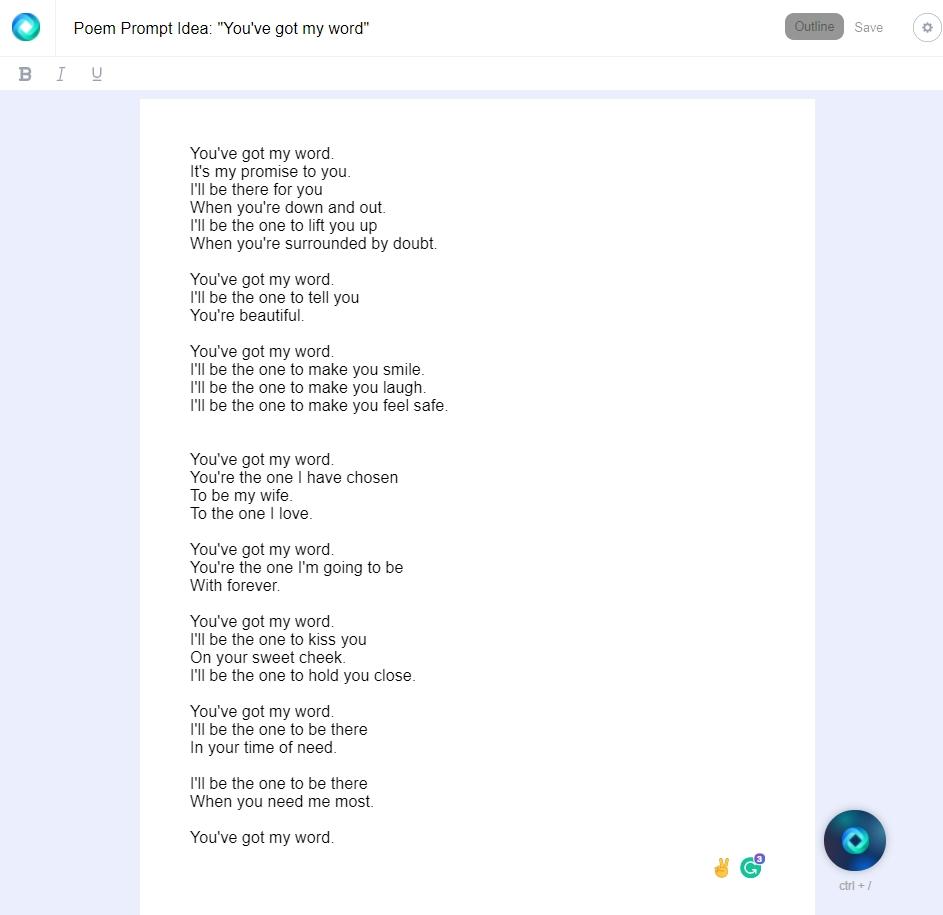
Harnessing AI to Spark Original Fiction Ideas
AI serves as a boundless wellspring for original fiction ideas by blending creativity with algorithmic insight. Writers can tap into this resource by employing techniques such as:
- Prompt Engineering: Crafting precise or abstract prompts that nudge the AI toward generating fresh characters, settings, or conflicts.
- Genre Fusion: Asking the AI to mix unlikely genres, creating unique narrative landscapes ripe for exploration.
- What-If Scenarios: Utilizing AI to spin alternatives on classic tropes or historical events, unlocking unexpected plot twists.
These approaches not only spark creativity but also provide a flexible framework that can be honed and adapted to fit an author’s distinctive voice and storytelling style.

Exploring AI Tools That Enhance Creative Brainstorming
Harnessing the power of AI to invigorate your creative sessions means beyond just generating random prompts. These smart tools act as co-creators, offering a dynamic playground where ideas evolve seamlessly. Imagine a canvas where AI suggests unexpected character traits, plot twists, or even helps you sketch multi-layered worlds with rich histories. To get the most of this, consider tools that provide:
- Semantic brainstorming – connecting concepts that spark originality.
- Adaptive feedback – tweaking ideas based on your writing style or genre choice.
- Visualization aids – generating mood boards or thematic color palettes.
For instance, some platforms offer AI-powered mind maps that cluster related story elements, fostering a holistic view of your narrative blueprint. Below is a glimpse of tool features that can revolutionize your brainstorming process:
| Feature | Benefit | Result |
|---|---|---|
| Context-Aware Prompts | Understands genre and tone | More relevant story seeds |
| Idea Expansion | Builds on rough concepts | Deeper, richer plots |
| Collaborative AI | Works interactively with writer | Enhanced creative synergy |

Practical Tips for Integrating AI into Your Story Development Process
To seamlessly weave AI into your story crafting routine, start by tailoring prompts to spark unique character traits, plot twists, or settings. Experiment with varying input styles-from detailed scenario descriptions to abstract thematic words-to see which generates the richest ideas. Incorporate AI as a collaborative brainstorming partner rather than a director: use its suggestions to fuel your creativity, then refine and personalize them to fit your voice. Maintain a dynamic idea journal-a digital or physical space where you jot down AI-generated concepts, mixing them with your notes. Over time, this evolving repository becomes a treasure trove of inspiration, accelerating your story development in unexpected and exciting directions.
Q&A
Q: What makes AI a useful tool for generating story ideas in fiction writing?
A: AI excels at combining vast amounts of information and recognizing patterns, which allows it to offer fresh perspectives and unexpected plot twists. By tapping into an AI’s ability to suggest diverse scenarios or character traits, writers can break free from creative blocks and explore new narrative possibilities.
Q: How does one start using AI to brainstorm story ideas?
A: Begin by providing the AI with some initial input-this can be a genre, a setting, a character archetype, or even a vague theme. From there, let the AI generate prompts or story seeds. You can iterate by refining your input based on the AI’s output, gradually shaping concepts that resonate with your creative goals.
Q: Can AI replace the creative intuition of a human writer?
A: Not quite. AI is a powerful assistant but not a substitute for human imagination. It offers suggestions and inspiration, but the writer’s intuition, emotions, and unique voice are essential to transform AI-generated ideas into compelling stories.
Q: What are some practical techniques for using AI in story idea generation?
A: Techniques include:
- Using AI-generated “what if” scenarios to spark plot developments.
- Creating character profiles through AI prompts and then building stories around those characters.
- Asking the AI to combine unrelated concepts to inspire genre mashups or unusual settings.
- Employing AI to rewrite or expand a simple premise into a more complex narrative.
Q: Are there any risks or limitations in relying on AI for story ideas?
A: AI may sometimes produce ideas that feel generic, inconsistent, or derivative since it learns from existing data. Writers should view AI output as a starting point rather than a finished product and remain cautious about unintentional biases or clichés embedded in AI-generated content.
Q: How can a writer maintain originality when using AI-generated ideas?
A: Use the AI’s suggestions as seeds rather than blueprints. Combine multiple AI outputs, inject personal experiences, reimagine themes, and challenge the AI’s ideas by asking deeper questions. This active engagement transforms AI input into authentic and original storytelling.
Q: What tools or platforms are best for AI-assisted story idea generation?
A: Several AI tools cater to creative writing, including OpenAI GPT-based applications, story-specific generators, and creative prompt tools. Choosing a platform depends on your comfort level, desired depth of interaction, and whether you want text-only prompts or multimedia inspiration.
Q: Can AI help throughout the entire writing process or only at the idea stage?
A: While AI shines at idea generation, it can also assist with outlining, character development, dialogue experimentation, and even drafting. However, its strongest and most reliable role remains as a catalyst for creativity rather than a full-fledged author.
Q: How do you integrate AI-generated ideas into your writing routine effectively?
A: Treat AI suggestions like brainstorming partners-schedule dedicated sessions to generate and explore ideas without pressure. Take notes, highlight sparks of interest, and revisit these inspirations during writing sessions. Balance AI input with personal reflection and revision to craft meaningful narratives.
Q: What’s a simple exercise to get started using AI for story ideas?
A: Try this: give the AI a prompt like “Describe an unusual event in a small town.” Review the AI’s response and identify interesting elements. Then ask, “Who witnesses this event?” or “What secrets does it reveal?” Use the answers to sketch characters and conflicts, building from the AI’s imaginative foundation.
The Conclusion
In the ever-evolving landscape of storytelling, AI emerges not as a replacement for the writer’s imagination, but as an invaluable catalyst-a spark that can ignite countless narratives from the flicker of a single prompt. By embracing AI-generated ideas, authors can traverse uncharted creative territories, discover unexpected twists, and breathe fresh life into their fictional worlds. Ultimately, the true magic lies not in the tool itself, but in how each writer harnesses its potential to tell stories that resonate, inspire, and endure. As you embark on your next literary journey, let AI be the quiet co-author who helps your ideas take flight.