
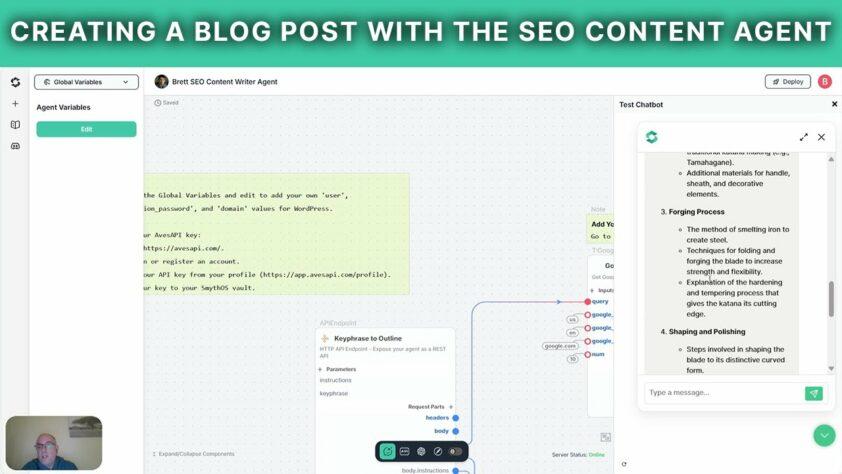
In today’s digital landscape, creating blog posts that stand out and rank high on search engines is more important than ever. Leveraging AI tools can transform your content creation process, making it faster, smarter, and more targeted. Whether you’re a seasoned writer or just starting out, understanding how to use AI effectively can boost your SEO game and attract more readers to your site. Let’s explore how to harness AI to craft engaging, optimized blog posts that get noticed.
Table of Contents
- Understanding the Role of AI in Modern SEO Content Strategies
- Choosing the Right AI Tools for Effective Blog Post Creation
- Crafting SEO-Optimized Headlines with AI Assistance
- Integrating Targeted Keywords Seamlessly Using AI Insights
- Enhancing Readability and Engagement Through AI Editing Features
- Leveraging AI for Competitive Content Gap Analysis
- Measuring and Refining SEO Performance with AI Analytics
- Q&A
- Wrapping Up
Understanding the Role of AI in Modern SEO Content Strategies
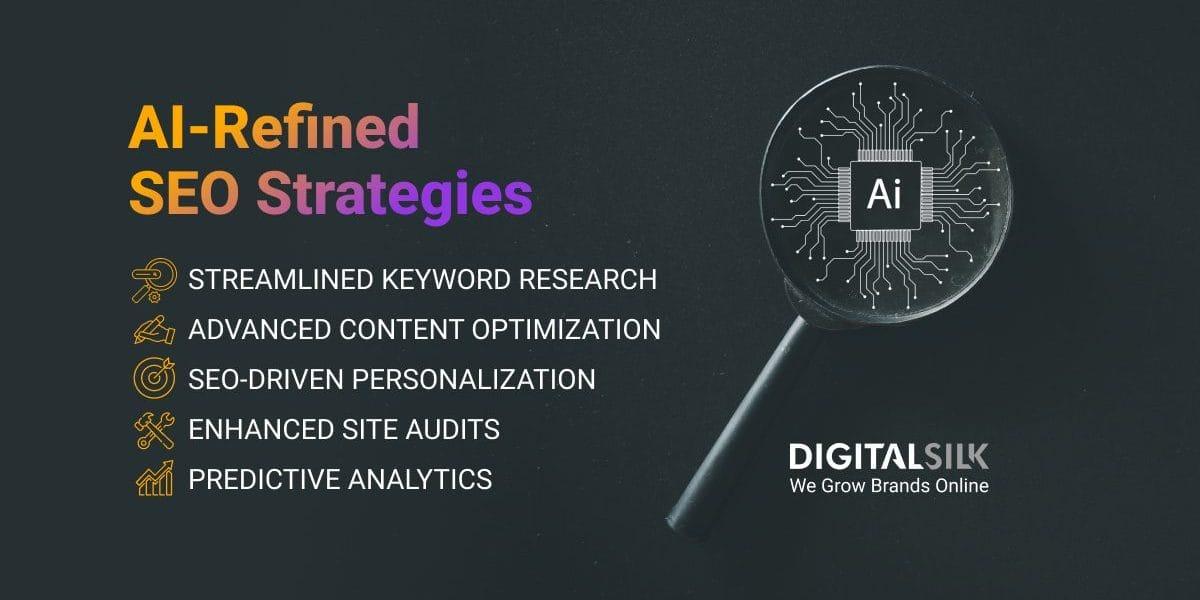
Artificial Intelligence has transformed the landscape of SEO by enabling content creators to identify trends, optimize keywords, and tailor posts with laser-focused precision. Modern algorithms can analyze massive datasets in seconds, providing insights that guide content strategy at every stage-from ideation to publishing. This dynamic integration streamlines workflows while enhancing the quality and relevance of posts, thereby boosting rankings organically.
One of AI’s most remarkable strengths lies in its ability to predict user intent. By understanding the nuances behind search queries, AI tools suggest content angles that resonate with the target audience. This is particularly important for crafting blog posts that not only attract visits but also engage readers, reducing bounce rates and signaling to search engines that the content is valuable and trustworthy.
Key benefits of AI integration in SEO content generation include:
- Automated keyword discovery and optimization
- Enhanced content personalization based on audience behavior
- Improved semantic relevance through natural language processing
- Content gap analysis to uncover untapped opportunities
| AI Feature | SEO Impact | Example Tool |
|---|---|---|
| Natural Language Processing | Improves content readability and relevance | GPT-4 |
| Keyword Analysis | Targets high-potential search terms | SEMrush |
| Content Gap Detection | Identifies missing topics to expand coverage | Ahrefs |

Choosing the Right AI Tools for Effective Blog Post Creation
Selecting the ideal AI tools demands more than just opting for the most popular software. It’s about aligning the tool’s capabilities with your content goals and SEO strategy. Look for AI platforms that offer content optimization features, such as keyword integration, readability scoring, and semantic analysis. These elements ensure your blog posts resonate with both search engines and human readers.
Consider tools that provide:
- Customizable content templates to maintain consistent structure and tone;
- Real-time SEO suggestions that guide keyword placement and density;
- Plagiarism detection to keep your blog original and trustworthy;
- Integration capabilities with popular CMS platforms like WordPress.
| Tool Feature | SEO Benefit |
|---|---|
| Semantic Keyword Research | Improved relevancy and ranking potential |
| Automated Meta Description Generator | Enhanced snippet appeal and CTR |
| Content Readability Analysis | Better user engagement and lower bounce rates |
Exploring these features not only streamlines your writing process but also empowers your blog to perform better in search results. The right AI tool acts like an intelligent assistant-helping craft content that’s strategic, relevant, and optimized for your target audience.
Crafting SEO-Optimized Headlines with AI Assistance
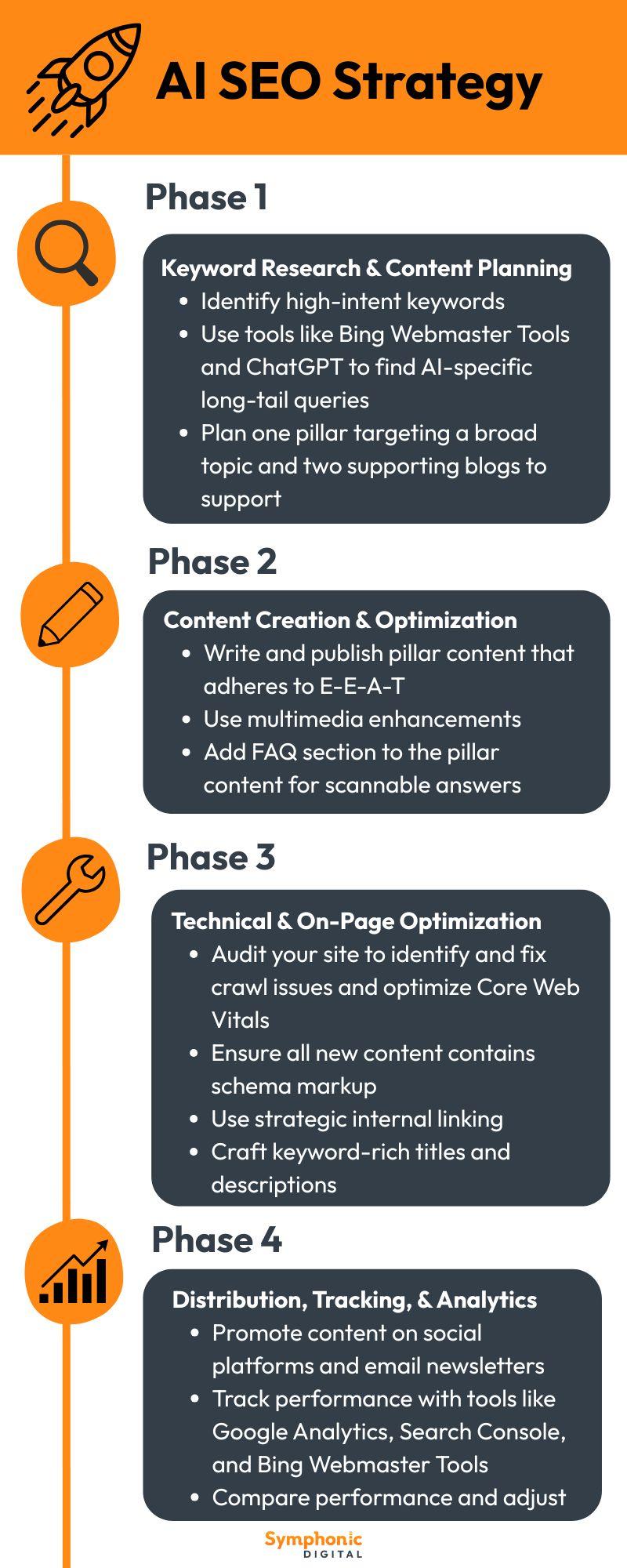
Unlocking the power of AI to draft compelling headlines goes beyond just stringing keywords together. With advanced natural language processing, AI tools analyze trends, user intent, and search behaviors to suggest headlines that not only catch the eye but also resonate with your target audience and search algorithms alike. This dual focus ensures your headline drives clicks while boosting your content’s discoverability.
When crafting your headlines, leverage AI’s ability to test variations rapidly-experiment with length, emotional triggers, and keyword placement. Here’s a quick guide to maximize effectiveness:
- Incorporate Long-Tail Keywords: AI identifies niche phrases that improve ranking potential.
- Use Power Words: Words that evoke curiosity or urgency increase click-through rates.
- Optimize Character Count: Stay within optimal length (50-60 characters) for search results display.
- Align with User Intent: Ensure headlines reflect what your audience seeks to satisfy search intent.
| Headline Element | AI Optimization Tip |
|---|---|
| Keyword Inclusion | Target relevant, high-value keywords seamlessly |
| Emotional Appeal | Add persuasive adjectives or power verbs |
| Length | Keep between 50-60 characters |
| Clarity | Communicate the benefit directly |
By smartly blending human creativity with AI’s analytical prowess, you can consistently headline blog posts that both captivate readers and climb the search engines-turning your titles into powerful invitations for engagement and SEO success.
Integrating Targeted Keywords Seamlessly Using AI Insights
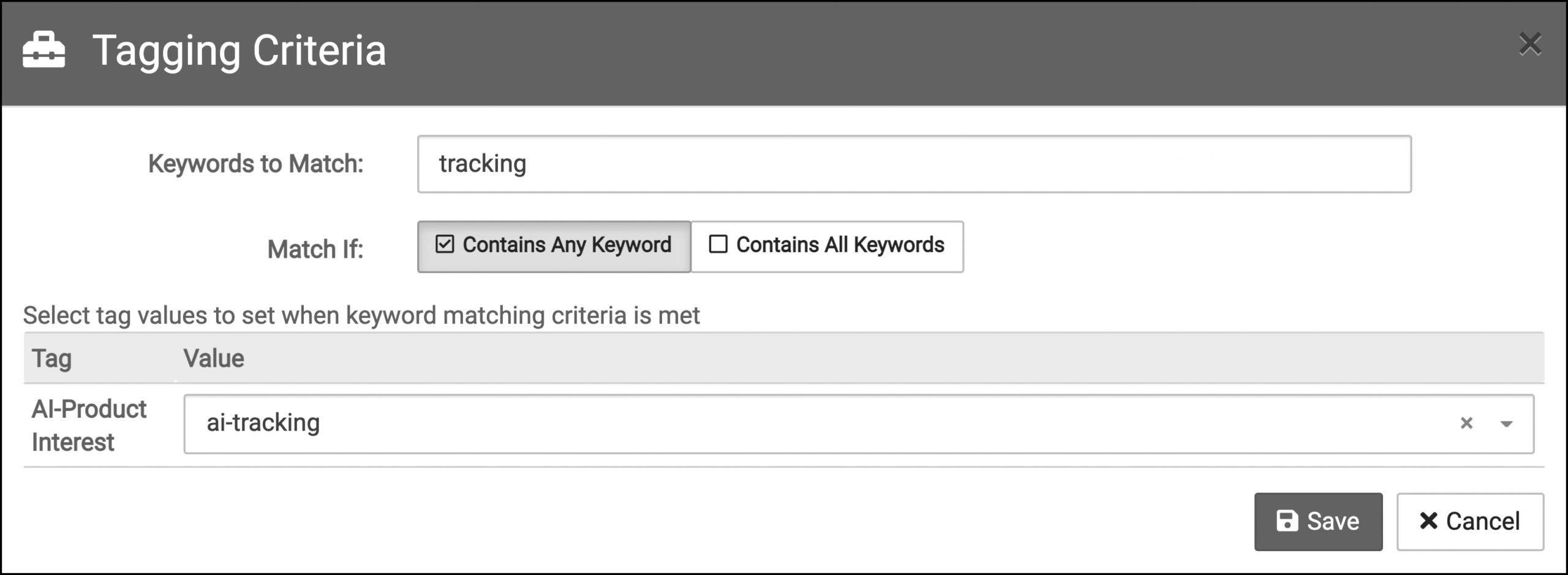
AI-driven tools excel at analyzing vast amounts of search data to identify high-impact keywords that align with your blog’s niche and audience intent. By leveraging AI’s natural language processing capabilities, you can uncover not only primary keywords but also latent semantic indexing (LSI) keywords that enrich the context without sounding repetitive.
Integrating these targeted keywords naturally into your content is crucial to maintaining readability and engagement. Instead of awkward keyword stuffing, AI insights help recommend keyword placements that feel organic, such as in subheadings, within metadata, or sprinkled thoughtfully throughout paragraphs. This balanced approach enhances your SEO performance while keeping the content user-friendly.
- Use AI-generated keyword clusters to guide content structure.
- Incorporate variations and synonyms automatically suggested by AI.
- Optimize image alt texts and captions with related keywords.
- Align keyword density with AI-recommended thresholds to avoid penalties.
| Keyword Placement | Purpose | AI Recommendation |
|---|---|---|
| Title Tag | Boosts click-through rates | Primary keyword upfront |
| Meta Description | Improves snippet relevance | Incorporate LSI keywords |
| Header Tags (H1-H3) | Enhances content organization | Use keyword variants naturally |
| Body Content | Supports ranking algorithms | Maintain 1-2% density |

Enhancing Readability and Engagement Through AI Editing Features
Artificial Intelligence has revolutionized the way we approach content refinement, particularly in enhancing readability and user engagement. By integrating AI-powered editing tools, bloggers can streamline the process of crafting crisp, compelling narratives that hold readers’ attention from start to finish. These tools go beyond simple grammar checks and delve into sentence structure optimization, tone adjustment, and keyword density balance – all crucial factors for SEO success.
AI editing features empower creators to maintain a natural voice while ensuring clarity and flow. For example, some AI editors highlight areas where sentences may be overly complex or jargon-heavy, suggesting alternatives that are easier to digest without diluting the message. Moreover, these systems can recommend structural changes such as breaking long paragraphs or inserting strategic subheadings, which significantly enhance skimmability and keep readers engaged.
- Contextual synonym replacement to prevent keyword stuffing while preserving SEO value.
- Readability scoring that adjusts content complexity based on target audience.
- Real-time tone analysis to ensure alignment with brand voice and emotional impact.
| Edit Feature | Benefit | SEO Impact |
|---|---|---|
| Sentence Simplification | Improves clarity | Increases readability score |
| Tone Adjustment | Enhances audience connection | Boosts engagement metrics |
| Keyword Optimization | Balances density naturally | Avoids penalties from keyword stuffing |
Leveraging AI for Competitive Content Gap Analysis
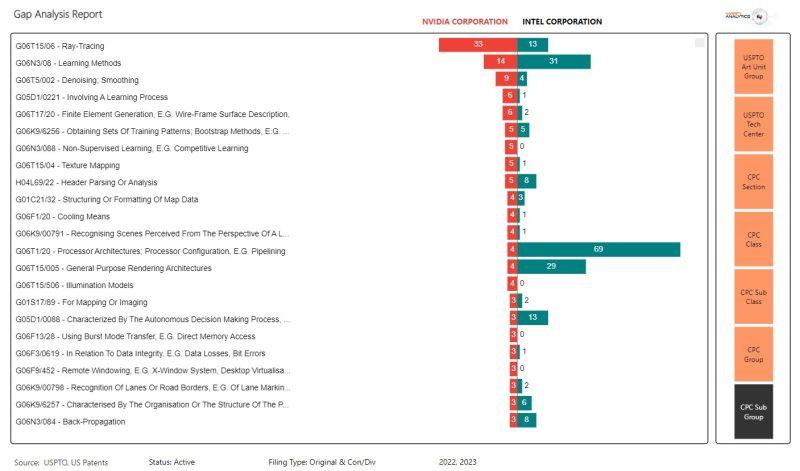
AI-powered tools have revolutionized how content creators identify and exploit content gaps within their niche. By harnessing natural language processing and machine learning, these applications analyze competitor blogs, pinpointing topics and subtopics that are underserved or overlooked. This targeted insight ensures that your content doesn’t just replicate what’s out there but fills in valuable holes to attract untapped audience segments.
Key benefits of leveraging AI for content gap analysis include:
- Automated competitor content audits for efficient gap identification
- Data-driven suggestions on topics with high search intent but low coverage
- Enhanced ability to target long-tail keywords that bolster SEO diversity
- Continuous monitoring to adapt content strategies as trends evolve
Consider the following simplified example of how AI distinguishes content coverage between two competitors in a tech blog niche:
| Topic | Competitor A Coverage | Competitor B Coverage | AI-Identified Opportunity |
|---|---|---|---|
| AI Ethics | Extensive | Limited | Moderate |
| AI in Healthcare | Minimal | Moderate | High |
| AI Tools for Marketers | Moderate | Minimal | High |
| Future of AI | Extensive | Extensive | Low |
Armed with this intelligence, content creators can strategically prioritize topics like “AI in Healthcare” and “AI Tools for Marketers”, maximizing SEO impact by addressing areas where competitors provide less value. This approach not only improves organic rankings but also cultivates a reputation as a thought leader addressing nuanced and unexplored angles.
Measuring and Refining SEO Performance with AI Analytics
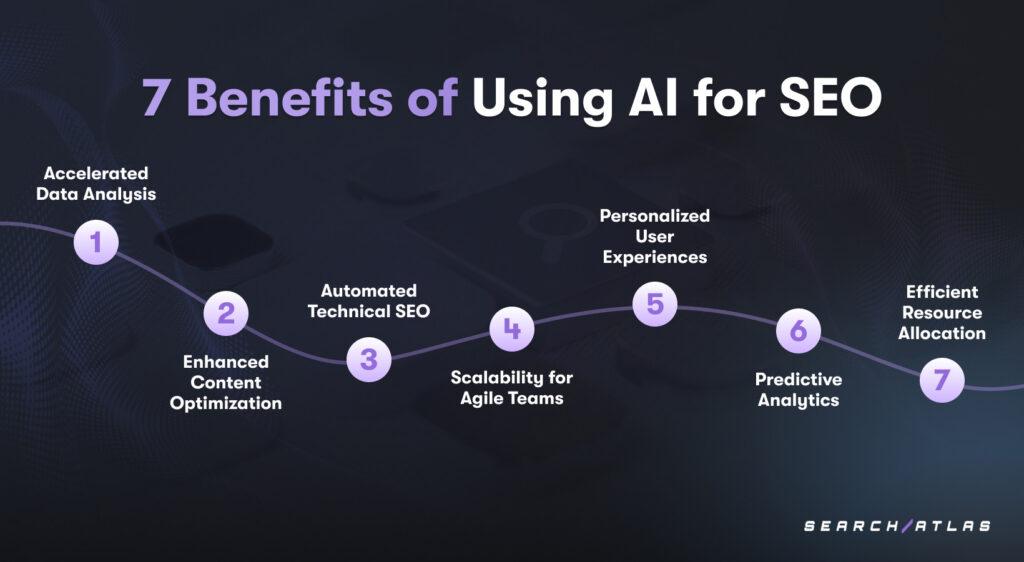
Artificial intelligence tools have revolutionized the process of evaluating SEO success by providing deep insights that go beyond traditional metrics. By leveraging AI-powered analytics, bloggers can track keyword performance, user engagement, and content relevancy in real-time. This dynamic approach allows you to spot untapped opportunities and quickly pivot your strategies for maximum impact.
One of the key advantages AI offers is the ability to interpret large datasets without bias, highlighting exactly which elements of your blog posts drive organic traffic or where the drop-offs occur. For instance, AI tools can analyze click-through rates (CTR), bounce rates, and average session duration with granular detail, giving you a multi-dimensional view of your content’s effectiveness.
- Automated sentiment analysis: Understand audience perception to tailor your tone.
- Competitor benchmarking: Discover strengths and weaknesses compared to top-ranking blogs.
- Content gap detection: Identify missed topics or keywords to fill niche demand.
| Metric | AI Insight | Actionable Strategy |
|---|---|---|
| Keyword Ranking | Pinpoints rising and falling keyword positions. | Optimize content around high-potential keywords. |
| User Engagement | Tracks time on page and scroll depth. | Enhance content structure or add multimedia elements. |
| Backlink Quality | Scores link authority and relevance. | Focus outreach on high-value domains. |
Q&A
Q: Can AI-generated content help my SEO rankings?
A: Yes – when used to produce well-researched, user-focused posts that satisfy search intent and include targeted keywords, AI can speed up content creation and improve consistency. Always refine the output for accuracy, voice, and value before publishing.
Q: Will search engines penalize AI-written posts?
A: Not automatically; search engines judge content by usefulness, originality, and trustworthiness rather than the tool used to create it. Avoid low-quality, deceptive, or keyword-stuffed material and prioritize E‑E‑A‑T (experience, expertise, authoritativeness, trustworthiness).
Q: How should I prompt AI to create SEO-friendly blog posts?
A: Give a clear brief: target keyword, audience, search intent, desired headings, tone, and length, plus requests for meta title, description, and suggested internal links. Ask the AI to cite sources, produce an outline, and include FAQs to increase topical depth.
Q: Can AI replace human writers entirely?
A: No – AI excels at ideation, drafting, and optimization, but humans are essential for strategy, nuance, fact-checking, and brand voice. The best results come from a collaborative workflow where humans edit and guide AI outputs.
Wrapping Up
Think of AI as a skilled co-writer that streamlines keyword research, generates SEO-friendly drafts, and helps you shape content that ranks. Try these methods on your next post – if it helped, share or leave a comment to keep the conversation going.






One Comment