
In the fast-paced world of digital content, efficiency is king. Bloggers constantly seek ways to produce compelling posts without burning the midnight oil. Enter Artificial Intelligence-a powerful ally transforming the writing process from a time-consuming task into a streamlined experience. Imagine cutting your blog post creation time in half, all while maintaining quality and originality. This article explores practical methods to harness AI tools effectively, helping you craft engaging content faster than ever before. Whether you’re a seasoned writer or just starting out, discovering how to collaborate with AI can revolutionize the way you write.
Table of Contents
- Harnessing AI to Streamline Your Writing Process
- Choosing the Right AI Tools for Efficient Blog Creation
- Optimizing AI Workflows to Maximize Content Quality and Speed
- Q&A
- Closing Remarks
Harnessing AI to Streamline Your Writing Process
Modern AI tools offer a powerful ally to content creators, transforming the way blogs are crafted by automating repetitive tasks and stimulating creativity. By integrating AI-driven features, you can:
- Generate topic ideas based on trending keywords and audience interests, eliminating writer’s block instantly.
- Draft outlines rapidly that organize thoughts logically, allowing you to focus on fine-tuning content rather than structuring it.
- Enhance editing efficiency with grammar, style, and tone suggestions, ensuring polished posts without hours of revision.
- Repurpose content creatively by summarizing lengthy research or expanding brief points into engaging paragraphs.
Consider the following comparison of time spent on typical content creation steps with and without AI assistance:
| Task | Traditional Time | AI-Assisted Time |
|---|---|---|
| Topic Research | 2 hrs | 30 mins |
| Outline Creation | 1.5 hrs | 20 mins |
| Draft Writing | 3 hrs | 1.5 hrs |
| Editing & Proofreading | 2 hrs | 45 mins |
Harnessing this technology allows bloggers to double productivity and devote more time to strategic tasks like audience engagement and content promotion.
Choosing the Right AI Tools for Efficient Blog Creation
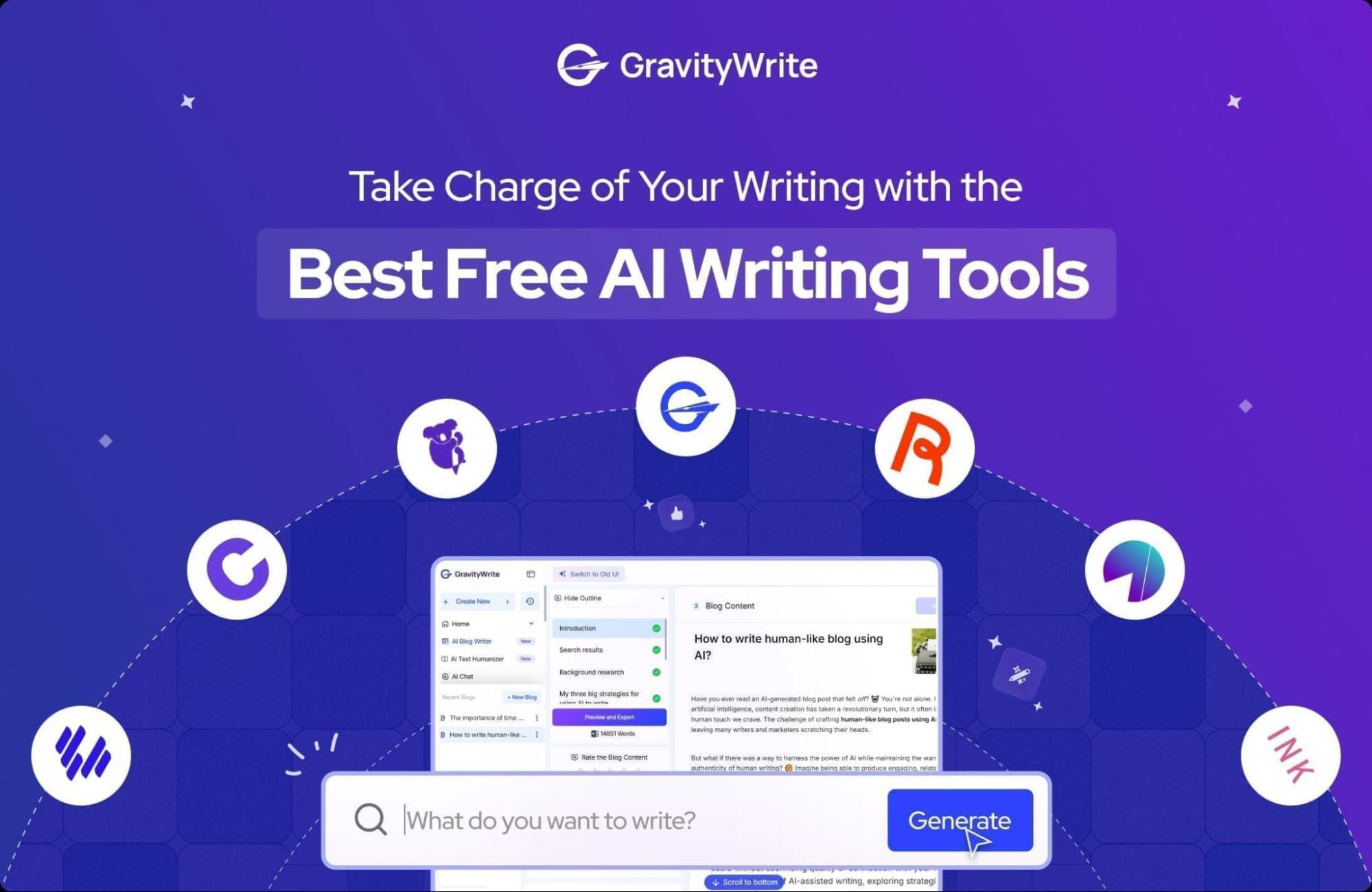
To maximize productivity when crafting blog posts, selecting AI tools that align with your specific workflow is essential. Look for solutions that offer seamless integration with your content management system, intuitive user interfaces, and customizable output styles to maintain your unique voice. Features such as topic suggestion engines, real-time grammar correction, and intelligent keyword optimization can significantly cut down editing time. Consider tools that provide collaborative writing environments if you work with a team, ensuring smooth version control and communication. Below is a quick comparison of popular AI writing tools and their standout features:
| Tool | Best For | Unique Feature | Pricing |
|---|---|---|---|
| WriteSmart | Content Ideation | AI Topic Recommender | Free & Premium |
| Grammarly AI | Editing & Proofreading | Real-Time Syntax Fixes | Subscription-based |
| ContentBot | Full Article Generation | Custom Writing Styles | Monthly Plans |
Optimizing AI Workflows to Maximize Content Quality and Speed
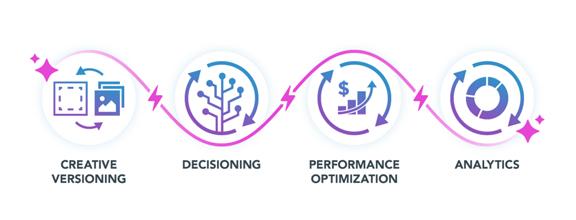
Efficient AI workflows hinge on strategic orchestration of tools and processes that amplify both quality and speed. Start by segmenting your content creation into distinct phases: research, drafting, editing, and optimization. Deploy AI-driven tools tailored for each step-use specialized models for generating ideas, others for initial drafts, and advanced editors for refining tone and clarity. Incorporate iterative feedback loops where AI-generated outputs are swiftly reviewed and enhanced, ensuring precision without sacrificing pace. Utilize batch processing for bulk tasks like keyword integration or metadata generation, and leverage automation plugins that seamlessly connect your AI modules with WordPress. Embracing this modular, yet interconnected approach minimizes downtime between steps, turning the content pipeline into a well-oiled machine. Consider the below comparison of traditional vs optimized AI workflows to visualize their impact:
| Workflow Phase | Traditional Time | Optimized AI Time |
|---|---|---|
| Research & Ideation | 2 hours | 20 minutes |
| Initial Draft | 3 hours | 30 minutes |
| Editing & Refinement | 1.5 hours | 15 minutes |
| SEO & Metadata | 1 hour | 10 minutes |
- Integrate AI tools that specialize in each content phase rather than relying on a single, generic software.
- Automate repetitive tasks like tag generation and formatting to save valuable editing time.
- Use feedback-driven refinement loops to continuously improve AI output quality without manual rewriting.
Q&A
Q&A: How to Create Blog Posts in Half the Time with AI
Q1: Can AI really help me write blog posts faster?
Absolutely. AI tools can handle time-consuming tasks like research, drafting, and editing, allowing you to focus on refining your ideas. This means you can cut your writing time significantly without compromising quality.
Q2: What’s the first step to using AI for blog writing?
Start by choosing the right AI writing assistant that suits your style and needs. Then, input your topic or key points, and let the AI generate a draft. Think of it as your creative co-pilot, kickstarting the process with fresh content.
Q3: How does AI improve the research phase?
AI can quickly gather relevant information and summarize key points from vast sources, saving you hours sifting through articles. This makes your posts both accurate and rich without drowning in data.
Q4: Will AI make my blog sound robotic or generic?
Not if you guide it wisely. AI-generated content is a foundation-you still add your personal touch, voice, and creativity in the editing phase. Combining AI speed with human nuance leads to authentic, engaging posts.
Q5: Can AI help with SEO while writing?
Yes, many AI tools suggest keywords, optimize readability, and structure content for better search rankings as you write. This helps you craft posts that are both reader-friendly and search-engine-friendly, all in less time.
Q6: Are there any risks or downsides to relying on AI for writing?
While AI accelerates writing, over-reliance can limit your authentic voice or lead to inaccuracies if not reviewed carefully. It’s essential to fact-check and personalize content to maintain quality and originality.
Q7: How much time can I realistically save using AI for blog posts?
Users often report halving their writing time-from hours down to just a fraction-by streamlining research, drafting, and editing. The exact savings depend on your workflow, but AI gives you a serious productivity boost.
Q8: Can AI help with brainstorming blog post ideas too?
Definitely! AI can generate topic ideas based on trends, keywords, or your niche. This jumpstarts your creativity and keeps your content pipeline fresh without hours spent agonizing over what to write next.
Q9: What’s the best way to integrate AI into my existing blogging routine?
Use AI as a complementary tool: start with AI for drafts and research, then spend more time personalizing and polishing your content. This balance preserves your unique voice while benefiting from AI’s speed.
Q10: Where do I start if I want to try AI writing tools today?
Explore popular AI writing platforms with free trials or demos to find your fit. Experiment with generating outlines, drafts, or SEO suggestions, and build a workflow that cuts your blog post time without losing quality.
Using AI creatively and thoughtfully can transform your content creation, turning a marathon writing session into a sprint-allowing you to share your voice more efficiently than ever before.
Closing Remarks
In the fast-paced world of content creation, harnessing AI to craft blog posts isn’t just a shortcut-it’s a smart strategy. By integrating these powerful tools into your writing routine, you can double your output without sacrificing quality or creativity. As AI continues to evolve, the way we approach writing will transform, opening doors to new efficiencies and innovations. So, whether you’re a seasoned blogger or just starting out, embracing AI might be the key to unlocking more time for what truly matters: connecting with your audience and sharing your unique voice.