

Imagine running a blog that updates itself effortlessly, freeing you from endless hours of writing and editing. With the power of AI, you can transform your blogging routine into a seamless, automated process. This guide will walk you through practical steps to harness AI tools, helping you create, schedule, and optimize content-so you can focus on what matters most: growing your audience and sharing your unique voice.
Table of Contents
- Understanding the Role of AI in Modern Blogging
- Selecting the Right AI Tools for Content Creation and Management
- Crafting Engaging Articles with AI-Powered Writing Assistants
- Optimizing SEO Automatically through Intelligent Algorithms
- Streamlining Social Media Sharing and Community Engagement
- Automating Editorial Calendars and Publishing Schedules
- Monitoring Performance and Fine-Tuning AI Strategies for Growth
- Q&A
- The Conclusion

Understanding the Role of AI in Modern Blogging
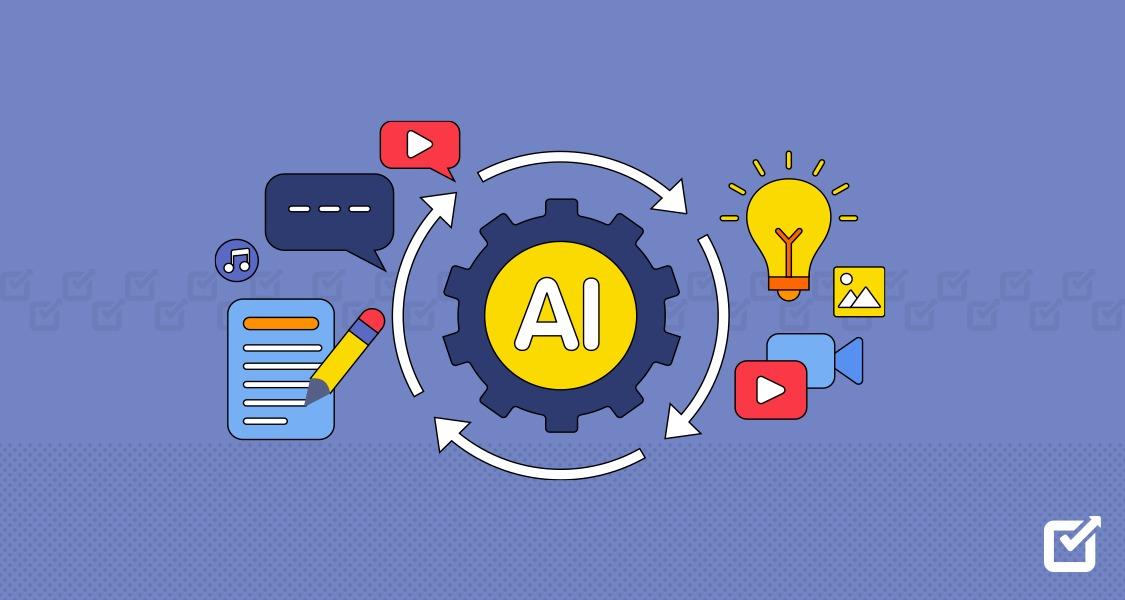
Artificial Intelligence has transformed blogging from a solely human-driven process into a hybrid workflow that marries creativity with efficiency. By leveraging AI tools, bloggers can not only speed up content creation but also enhance personalization and SEO targeting. AI-powered algorithms analyze audience preferences and trending topics in real-time, allowing content to be finely tuned for maximum engagement.
Some of the standout capabilities AI brings to modern blogging include:
- Content generation: Drafts, outlines, and even full articles can be created rapidly while maintaining a natural tone.
- SEO optimization: Suggestions for keywords, meta descriptions, and readability improvements help boost search engine rankings.
- Audience analysis: Data-driven insights tailor posts according to user demographics and behavior patterns.
- Automation of routine tasks: Scheduling, social media posting, and comment moderation become seamless with minimal oversight.
| AI Function | Benefit | Example Tools |
|---|---|---|
| Content Creation | Speed up writing process with AI drafts | ChatGPT, Jasper |
| SEO Enhancement | Optimize keywords and meta data | Yoast SEO, Surfer SEO |
| Audience Insights | Personalize content based on behavior | Google Analytics, HubSpot |
| Task Automation | Schedule posts and manage comments | Zapier, Buffer |
Selecting the Right AI Tools for Content Creation and Management
Choosing the perfect AI tools for streamlining your blog requires a blend of creativity, strategy, and technical insight. To begin, focus on your specific content needs-whether it’s generating ideas, writing drafts, optimizing for SEO, or managing publication schedules. This clarity will guide you in picking platforms that excel in those areas rather than settling for general-purpose solutions.
Integration capability ranks high on the checklist. The AI tools you select should seamlessly connect with your existing content management systems or social media platforms. This ensures a smooth workflow, minimizing manual intervention and maintaining consistent content delivery. Additionally, prioritize tools with customizable features that adapt to your blog’s unique voice and style, rather than rigid AI that forces uniformity.
Consider the productivity boost each tool offers alongside the learning curve it presents-sometimes, the most feature-rich application isn’t the most efficient option if it undercuts your speed or creativity. To visualize your choices, here’s a simple comparison table displaying key attributes of popular AI content tools:
| Tool | Strength | Best For | Integration |
|---|---|---|---|
| ContentBot | Idea generation | Blog starters | WordPress, Zapier |
| Jarvis (Jasper) | Longform content | SEO-heavy posts | WordPress, HubSpot |
| Grammarly | Editing & tone | Polishing drafts | Browser, MS Word |
| CoSchedule | Scheduling | Editorial calendars | WordPress, Google Calendar |
- Test extensively: Use trial periods or demos to evaluate tool performance in real-time content scenarios.
- Community feedback: Check forums and user reviews to learn from others’ experiences.
- Scalability: Choose tools that can grow with your blog’s increasing demands and complexity.
Crafting Engaging Articles with AI-Powered Writing Assistants
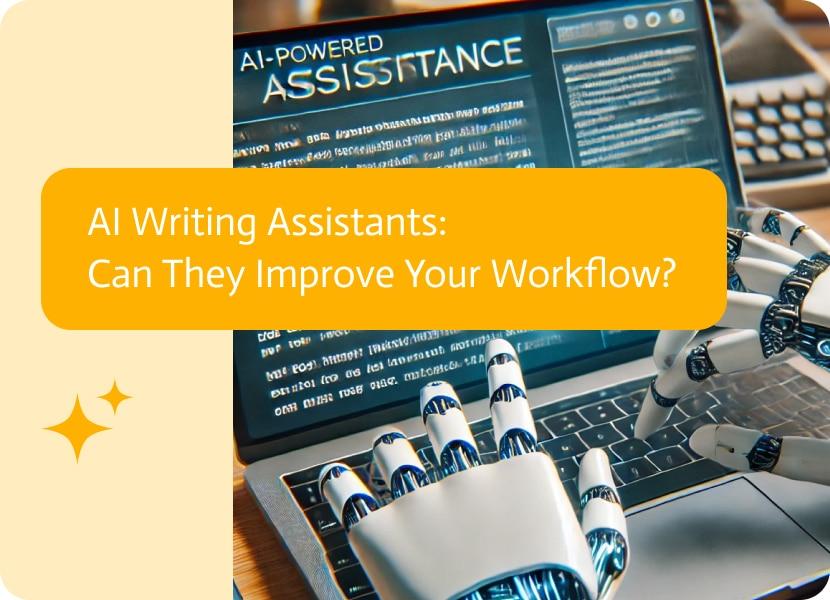
Leveraging AI-powered writing assistants transforms the way bloggers approach content creation. These tools don’t just generate text; they offer dynamic support in structuring ideas, improving readability, and injecting creativity. By harnessing AI, you can strike the perfect balance between authenticity and efficiency, ensuring every article captivates readers while saving hours of manual labor.
When crafting articles with AI, consider the following strategies to elevate engagement:
- Interactive Idea Generation: Use AI to brainstorm diverse angles and fresh perspectives tailored to your niche.
- Adaptive Tone and Style: Customize output to resonate with your audience, whether it’s professional, casual, or conversational.
- Data-Driven Content Optimization: Employ AI insights to refine headlines, subheadings, and keywords, boosting SEO and readability.
| Feature | Benefit | Use Case |
|---|---|---|
| Content Variation | Prevents repetitive phrasing | Refreshing blog series |
| Sentiment Adjustment | Matches reader expectations | Product reviews, storytelling |
| SEO Recommendations | Increases organic traffic | Keyword targeting |
Integrating AI writing assistants is not about replacing human creativity but amplifying it. By letting AI handle the groundwork, bloggers can focus on refining ideas and connecting authentically with their audience, creating a sustainable and scalable content strategy.

Optimizing SEO Automatically through Intelligent Algorithms
Harnessing the power of intelligent algorithms unlocks a new dimension in streamlining SEO efforts. These algorithms continuously analyze vast amounts of search data, competition benchmarks, and keyword trends without manual intervention. As a result, your blog content is dynamically adjusted to match evolving search engine criteria, ensuring sustained visibility and relevance.
Key benefits include:
- Automated keyword insertion based on semantic relevance
- Real-time optimization of meta descriptions and tags
- Personalized content suggestions to boost user engagement
- Performance monitoring with AI-driven reports
Below is a quick comparison of traditional SEO processes versus AI-driven automation, illustrating time investment and efficiency:
| Aspect | Manual SEO | AI-Driven SEO |
|---|---|---|
| Time Spent | 10+ hours/week | 2 hours/week (monitoring) |
| Keyword Research | Periodic | Continuous and adaptive |
| Content Updates | Scheduled manually | Automatically triggered |
| Ranking Stability | Variable | Consistently optimized |
By entrusting your SEO strategy to intelligent systems, bloggers free up precious time to focus on crafting compelling stories, improving user experience, and exploring new creative directions-all while maintaining a strong search presence effortlessly.

Streamlining Social Media Sharing and Community Engagement
Modern AI tools can revolutionize how your content ripples through the social media landscape. By integrating automation platforms, you can schedule posts, tailor messages for different networks, and respond instantly to audience interactions – all without lifting a finger daily. This seamless synchronization not only saves you time but also cultivates a vibrant community faster than ever before.
Key benefits of automated social sharing and engagement include:
- Consistent posting schedules that keep your audience engaged around the clock.
- Personalized responses powered by AI chatbots that nurture meaningful conversations.
- Insightful analytics tracking which topics ignite the most interaction, guiding smarter future content.
- Cross-promotion techniques that amplify your blog’s reach across multiple platforms simultaneously.
To visualize the automated workflow, here’s a simple breakdown:
| Task | Automation Tool | Outcome |
|---|---|---|
| Content Scheduling | Buffer, Hootsuite | Regular posts without manual intervention |
| Audience Engagement | ManyChat, MobileMonkey | Instant replies and enhanced user interaction |
| Performance Analysis | Google Analytics, Sprout Social | Data-driven content optimization |

Automating Editorial Calendars and Publishing Schedules
Streamlining your blog’s content rollout becomes effortless when you harness AI-driven tools designed to manage editorial calendars. These intelligent systems not only schedule posts automatically but also adapt dynamically to changes in content priorities, ensuring your publishing rhythm stays perfectly in sync with audience demand and trending topics.
By integrating AI, you can:
- Automate reminders for draft deadlines and editorial reviews, keeping your workflow punctual without manual oversight.
- Predict optimal publishing times based on historical engagement data, maximizing reach and interaction.
- Coordinate multi-channel releases by syncing blog posts with social media campaigns and email newsletters.
Consider the following comparison of traditional vs AI-powered editorial scheduling to grasp the efficiency gains:
| Feature | Traditional Scheduling | AI-Powered Scheduling |
|---|---|---|
| Content Planning | Manual, prone to human error | Data-driven with predictive analytics |
| Deadline Tracking | Manual reminders | Automated alerts and notifications |
| Publishing Time | Fixed schedules | Adaptive, optimized for audience engagement |
| Cross-Platform Sync | Separate manual updates | Seamless multi-channel coordination |
Embracing these AI mechanisms transforms your editorial calendar from a static document into a living, breathing part of your content strategy-one that evolves fluidly with your blog’s needs and audience preferences.
Monitoring Performance and Fine-Tuning AI Strategies for Growth
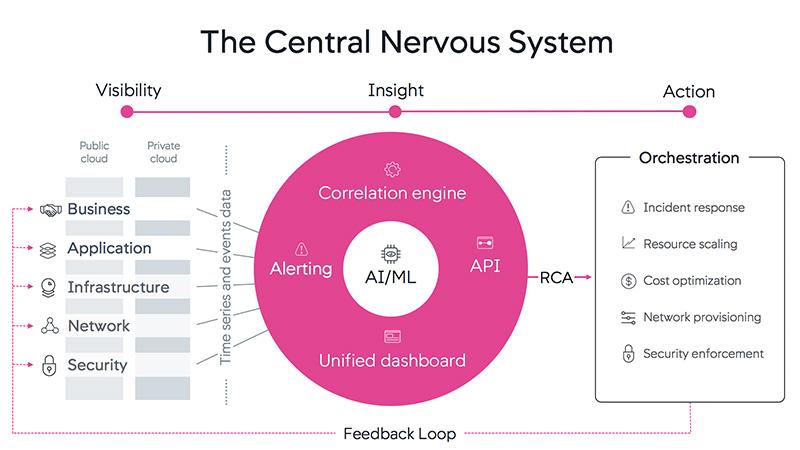
To ensure your AI-powered blog evolves continuously, tracking key performance indicators is essential. Use built-in analytics tools or integrate platforms like Google Analytics to monitor user engagement, page views, and bounce rates. This data acts as a compass, guiding you to identify content that resonates most and areas that need refinement. By routinely reviewing insights, you can make informed adjustments to your AI models, from topic generation to content pacing.
Key metrics to watch include:
- Average session duration
- Click-through rate on AI-suggested posts
- Social shares and comments
- Keyword rankings influenced by AI content
Fine-tuning your AI strategies involves iterative testing and adaptation. For example, if certain AI-generated titles underperform, experiment with alternative keyword combinations or emotional triggers. Employ A/B testing for headlines, summaries, or images recommended by AI. Continual feedback loops, paired with manual oversight, sharpen the AI’s ability to align with your audience’s evolving expectations.
| AI Element | Tuning Focus | Impact on Growth |
|---|---|---|
| Content Suggestions | Refine topic relevance | Increased reader retention |
| SEO Keywords | Optimize for search intent | Higher organic traffic |
| Publishing Schedule | Adjust frequency & timing | Consistent audience engagement |
Q&A
Q: Can AI fully replace human bloggers?
A: Not entirely – AI can generate drafts, ideas, and routine updates at scale, but human oversight remains essential for strategy, nuance, and brand voice. Think of AI as a tireless assistant that speeds production while editors add judgment and creativity.
Q: How do I ensure AI-generated content is original and high quality?
A: Use fact-checking, plagiarism tools, and a human editor to verify claims and refine tone; prompt engineering and strict content briefs also improve output quality. Regularly review reader engagement and update posts to keep them accurate and fresh.
Q: What tools and workflow do I need to automate a blog?
A: Combine an AI writing model, content planning/calendar software, SEO and plagiarism checkers, and a CMS with scheduling capabilities; include an editorial step for review and metadata optimization. Automate repetitive tasks like image generation, publishing, and performance reporting to save time.
Q: Will automating my blog with AI harm SEO or cause penalties?
A: Not if you prioritize value, originality, and user experience – search engines penalize low-quality, thin, or spammy content, not automation itself. Follow SEO best practices (E-E-A-T, internal linking, semantic optimization) and monitor Search Console for issues.
The Conclusion
Automating your blog with AI converts repetitive tasks-research, drafting, editing, and publishing-into a smooth, scalable workflow that preserves quality and frees you to focus on strategy and creativity. Read more for practical tools and workflows, and share your results or questions below.