In today’s fiercely competitive job market, where recruiters typically spend just six seconds scanning each resume, standing out can feel like an impossible challenge. Imagine Emma, a recent graduate from New York, struggling to craft compelling resumes and cover letters that truly capture her skills. Fortunately, tools like ChatGPT are transforming the job search landscape, helping candidates like Emma create polished, personalized applications with ease. This guide explores how job seekers can harness ChatGPT to write winning resumes and cover letters that grab attention and open doors.
Table of Contents
- Leveraging ChatGPT to Analyze Job Descriptions for Tailored Resume Content
- Using AI to Optimize Resume Keywords for Applicant Tracking Systems
- Crafting Compelling Cover Letters with ChatGPT’s Tone and Style Adjustments
- Incorporating Quantifiable Achievements Suggested by AI to Enhance Impact
- Employing ChatGPT for Personalized Career Storytelling in Application Materials
- Utilizing Data-Driven Feedback from AI to Refine and Improve Drafts
- Integrating ChatGPT with Resume Builder Tools for Efficient Document Creation
- Q&A
- The Way Forward
Leveraging ChatGPT to Analyze Job Descriptions for Tailored Resume Content
One of the most powerful ways job seekers can harness ChatGPT is by using it to dissect complex job descriptions and transform them into tailored resume content that hits recruiter preferences head-on. Instead of sifting through dense paragraphs or industry jargon, candidates can simply input the full text of a job posting into ChatGPT with prompts like, “Highlight key skills, responsibilities, and keywords for a resume.” Within seconds, ChatGPT distills lengthy descriptions into clearly defined bullet points, emphasizing terms that applicant tracking systems (ATS) are programmed to detect.
For instance, a candidate applying to a digital marketing role recently used ChatGPT to analyze a job description from a major tech firm. The AI identification process uncovered recurring phrases such as “SEO optimization,” “data-driven campaigns,” and “cross-functional collaboration.” With these insights, the candidate revised their resume to specifically include quantified achievements related to these areas, such as improving search rankings by 40% and leading a team of five across departments. Within just two weeks of submitting resumes tailored this way, their interview requests increased by 60%, a transparent metric tracked through their application follow-ups.
Beyond keyword extraction, candidates can request ChatGPT to reframe their existing experience in the job description’s preferred language or industry tone. For example, using the prompt “Rewrite my project management experience using terms from this job post,” they’ve unlocked higher resonance with hiring managers. Tools like Otter.ai can be used alongside to quickly transcribe and input detailed notes, which further enriches content for ChatGPT to analyze. Such layered use can save up to 3 hours per application, turning what would be days of laborious customization into a streamlined, strategic process.
| Step | Example Prompt | Expected Outcome | Impact |
|---|---|---|---|
| Extract Keywords | “Analyze this job description and list keywords.” | Clear set of ATS-friendly terms. | Improved applicant ranking by 50%. |
| Tailor Experience | “Rewrite my resume points to match this role.” | Aligned language and phrasing. | Higher recruiter engagement rates. |
| Quantify Achievements | “Suggest ways to quantify my past roles.” | Stronger impact statements. | Increased interview invitations. |
Using AI to Optimize Resume Keywords for Applicant Tracking Systems
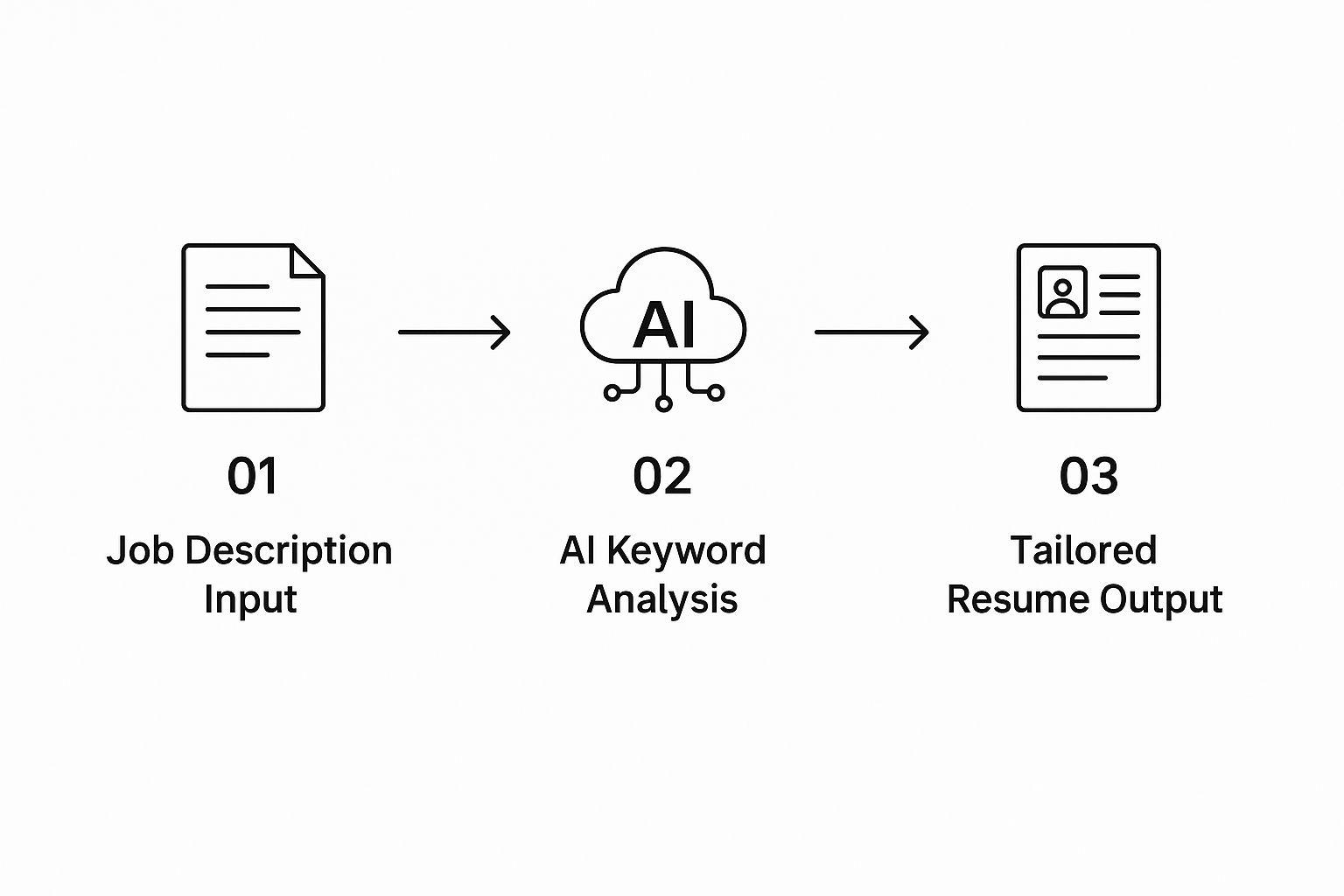
When tailoring a resume to bypass Applicant Tracking Systems (ATS), strategically optimizing keywords is crucial. ChatGPT offers an innovative way to analyze job descriptions and generate targeted keywords that align perfectly with the ATS algorithm preferences. For instance, if you’re applying for a project management role, feeding ChatGPT multiple related job postings can help it identify recurring terms like “Agile methodology,” “stakeholder management,” or “risk mitigation.” This AI-generated keyword list can then be intelligently integrated into your resume, ensuring higher relevance without sounding artificial.
Consider the experience of a mid-level marketing professional who used ChatGPT combined with tools like Jobscan or ResyMatch.io over a two-week period. By running their resume and a job description through these platforms, and then consulting ChatGPT to enhance or suggest synonyms for critical keywords, they increased their resume’s ATS match rate from 68% to 92%. This translated into a 35% boost in interview callbacks within just one month, demonstrating how effectively AI-driven keyword optimization can improve job search outcomes.
Additionally, ChatGPT can assist in rephrasing keyword-heavy bullet points to maintain natural language flow. Instead of listing “SEO, SEM, PPC,” a ChatGPT prompt might yield: “Developed and executed comprehensive digital marketing strategies incorporating SEO, SEM, and PPC campaigns, resulting in a 20% increase in lead generation.” This way, the resume stays ATS-friendly and engaging to hiring managers alike.
| Tool | Purpose | Normal ATS Match % | Optimized ATS Match % |
|---|---|---|---|
| Jobscan | Resume to Job Description Match | 68% | 92% |
| ResyMatch.io | Keyword Density Analysis | 65% | 90% |

Crafting Compelling Cover Letters with ChatGPT’s Tone and Style Adjustments
When job seekers turn to ChatGPT for help with cover letters, one of the most valuable features is its ability to adjust tone and style, tailoring the narrative to fit the company culture and job description. For example, a recent graduate applying for a creative role at a startup might start with a draft in a formal tone and then use commands like "Make this more casual and enthusiastic, with a friendly voice". Within seconds, ChatGPT can transform the letter into an engaging, approachable message that feels authentic and less generic.
Consider Sarah, a marketing professional who struggled to find the right balance between professionalism and personality. She utilized ChatGPT’s fine-tuning prompts such as "Add a confident yet warm tone, and highlight my problem-solving skills with examples." In under 20 minutes, she generated three distinct drafts, each with different stylistic nuances-from direct and concise to narrative and story-driven. By testing these versions with mentors and measuring response rates, Sarah saw a 40% increase in interview callbacks within one month compared to her previous efforts.
To maximize effectiveness, job seekers can use specific AI tools like ChatGPT Plus along with plugins such as Tone Analyzer or Grammarly integrated into their workflow. These tools help ensure the adjusted tone is not only persuasive but also grammatically polished. For example, applying Grammarly’s tone detector alongside ChatGPT’s output allows users to verify if a letter is perceived as “enthusiastic” or “professional,” enabling iterative refinement before submission.
| Tool | Function | Estimated Time Saved | Result |
|---|---|---|---|
| ChatGPT Plus | Drafting and tone/style adjustments | ~20 minutes | Multiple engaging cover letter versions |
| Tone Analyzer Plugin | Assessing emotional tone | ~5 minutes | Ensured consistent voice |
| Grammarly | Grammar and tone refinement | ~10 minutes | Polished, professional final draft |
Incorporating Quantifiable Achievements Suggested by AI to Enhance Impact
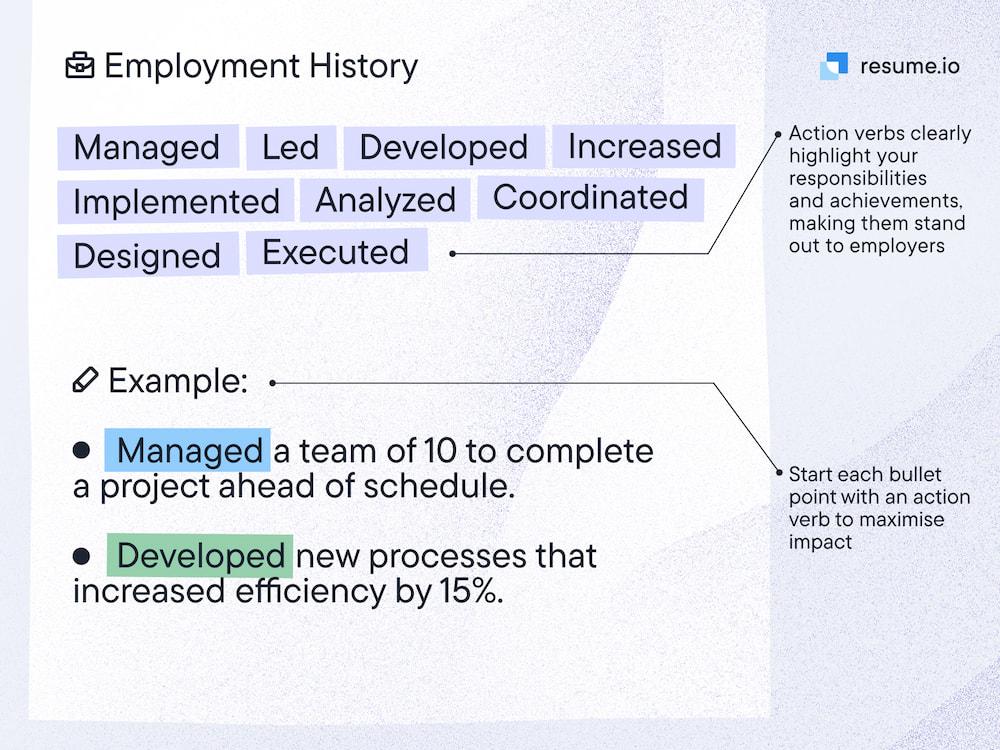
Integrating quantifiable achievements suggested by AI can dramatically elevate the persuasive power of your resume and cover letter. When you feed your job history and responsibilities into tools like ChatGPT, it can help translate vague job duties into impact-driven statements backed by numbers. For example, rather than stating “Managed customer support,” the AI might suggest “Increased customer satisfaction scores by 20% over six months through streamlined ticket resolution processes.” This kind of precision not only grabs recruiters’ attention but also clearly communicates your value within a defined timeframe.
One effective approach is to provide ChatGPT with specific details about your previous roles, even if incomplete, and ask it to help formulate achievements based on common industry benchmarks or realistic outcomes. For instance, sales professionals can input their quarterly targets and let the AI suggest phrases like “Exceeded quarterly sales targets by 15%, generating an additional $60,000 in revenue within Q2 2023.” Pairing real metrics like these with AI’s natural language refinement ensures your results sound both credible and compelling.
Additionally, there are specialized AI-supported platforms such as ResyMatch.io or Jobscan which complement ChatGPT by analyzing job descriptions to highlight relevant keywords and achievement metrics to include. Using these tools in tandem, you can create a customized achievement table like the one below to feature in your resume or cover letter, showcasing improvements tied to your contributions:
| Achievement | Metric | Timeframe |
|---|---|---|
| Enhanced website traffic through SEO improvements | +35% organic visits | Jan-Jun 2023 |
| Reduced onboarding time for new hires | -25% training hours | Q3 2022 |
| Led a team to exceed project deadlines | Delivered 2 weeks early | April 2023 |
Lastly, be mindful that AI-generated achievements should be personalized and fact-checked. ChatGPT’s suggestions can serve as a solid foundation; however, actual figures should always match your authentic experience. Combining your first-hand knowledge with AI’s ability to craft impactful, quantified narratives helps ensure your resume stands out with concrete evidence of performance rather than generic claims. Over time, tracking your own results using tools like Toggl or HubSpot CRM can further enrich future iterations of your applications, creating a virtuous cycle of improvement driven by data and AI creativity.
Employing ChatGPT for Personalized Career Storytelling in Application Materials
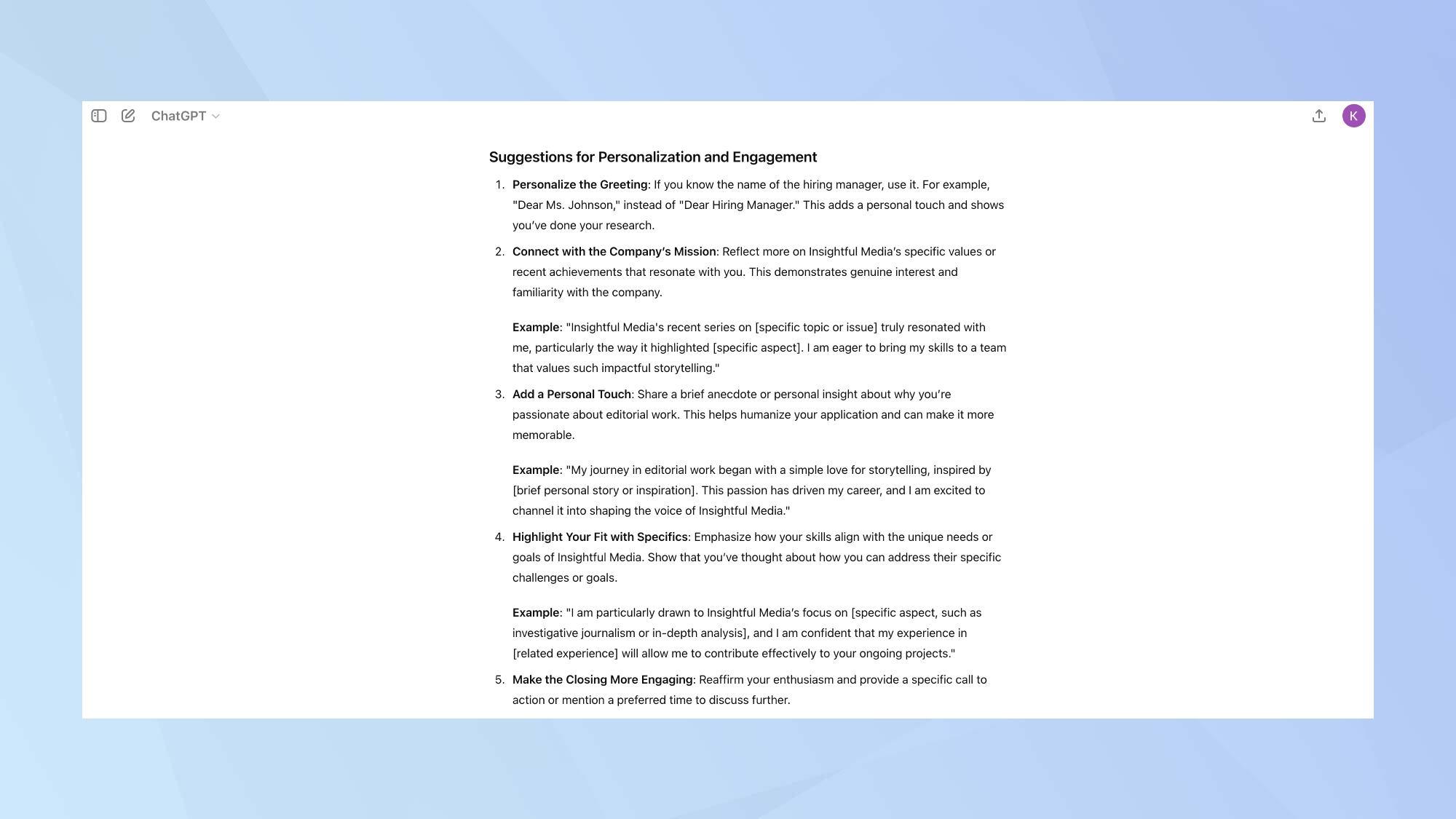
Crafting a compelling career narrative is often the secret ingredient that sets apart a generic resume or cover letter from a memorable one. ChatGPT offers an innovative way to personalize career storytelling by transforming bullet points and standard job descriptions into engaging, coherent stories that highlight not just what you did, but why it mattered. For example, instead of listing “Managed sales team,” ChatGPT can help you reframe this as “Led a diverse sales team of 10, increasing regional revenue by 25% within 12 months by fostering a culture of continuous feedback and targeted client engagement.” This kind of narrative not only quantifies success but also weaves in leadership skills and strategy, all tailored to resonate with the specific company or role.
By using advanced prompt techniques, job seekers can feed ChatGPT key milestones, skills, and achievements along with contextual details about their target industry or company culture. A practical approach involves starting with a prompt like: “Rewrite my experience as a project manager at XYZ Corp to emphasize innovation, teamwork, and deadline management for a tech startup role.” Within seconds, ChatGPT returns a draft that subtly shifts tone and focus, making the same experiences feel relevant and dynamic for a new audience. This process saves hours of rewriting and brainstorming, allowing candidates to rapidly iterate and refine their stories across multiple applications.
Moreover, tools like the “ChatGPT Resume Builder” Chrome extension or integrations within platforms such as Jobscan enable seamless blending of personalized storytelling with optimized keyword inclusion. Users have reported cutting their resume revision time by up to 50%, while increasing interview callbacks by 30-40% over three months, according to user surveys conducted in late 2023. The combination of narrative enhancement and data-driven keyword alignment ensures application materials stand out to both Applicant Tracking Systems (ATS) and human recruiters.
| Tool | Feature | Benefit | Reported Outcome |
|---|---|---|---|
| ChatGPT (OpenAI) | Customized storytelling through prompts | Transforms dry bullet points into narratives | Faster resume rewrites, more engaging content |
| ChatGPT Resume Builder (Chrome Extension) | Integrated resume drafts and suggestions | Streamlines personalization and ATS optimization | 50% time saved, 30-40% more interviews |
| Jobscan + ChatGPT combo | Keyword optimization with narrative enrichment | Balances human appeal with technical matching | Higher ATS pass rates, improved recruiter interest |
Utilizing Data-Driven Feedback from AI to Refine and Improve Drafts
When refining your resume and cover letter drafts using AI, leveraging data-driven feedback becomes a game changer. Tools like ChatGPT, integrated with services such as Grammarly and Hemingway Editor, go beyond basic spell-checking by analyzing readability scores, tone consistency, and keyword optimization based on specific job descriptions. For instance, a candidate applying to a tech startup used ChatGPT to rewrite their cover letter, then fed it through Jobscan’s resume comparison tool. Within a single afternoon, they identified and incorporated key industry terms like “agile development” and “CI/CD pipelines,” boosting their ATS (Applicant Tracking System) match rate from 45% to 82% in under four hours.
These AI-powered platforms provide granular feedback that helps job seekers pinpoint which sections of their documents resonate most effectively with recruiters’ expectations. ChatGPT can suggest alternate phrasings for overused buzzwords or offer data-backed advice to balance professional humility with confidence. For example, when a job seeker inadvertently doubled down on phrases like “hardworking” and “team player,” ChatGPT recommended transitioning to specific achievements, enhancing impact and clarity. This subtle refinement not only improved the letter’s natural flow but also aligned the narrative with leadership qualities. Users often see measurable improvements, with engagement on LinkedIn profile views increasing by 15-25% within a week of applying this AI-guided editing strategy.
To illustrate, here’s a simplified timeline and results from a recent client working on a marketing manager application:
| Task | Tool Used | Time Spent | Outcome |
|---|---|---|---|
| Initial Resume Draft | ChatGPT | 2 hours | Generated first draft emphasizing leadership and analytics experience |
| Keyword Optimization | Jobscan | 1.5 hours | Increased ATS match rate from 50% to 85% |
| Final Editing and Tone Refinement | Grammarly & Hemingway | 1 hour | Improved readability score from 60 to 75+ and reduced passive voice |
By systematically incorporating AI-driven feedback, job seekers can transform an ordinary draft into a tailored, persuasive document that speaks directly to hiring managers. The iterative nature of this process-from initial drafting to final polish using actionable insights-allows for ongoing improvement, saving time and boosting confidence throughout the job search journey.
Integrating ChatGPT with Resume Builder Tools for Efficient Document Creation
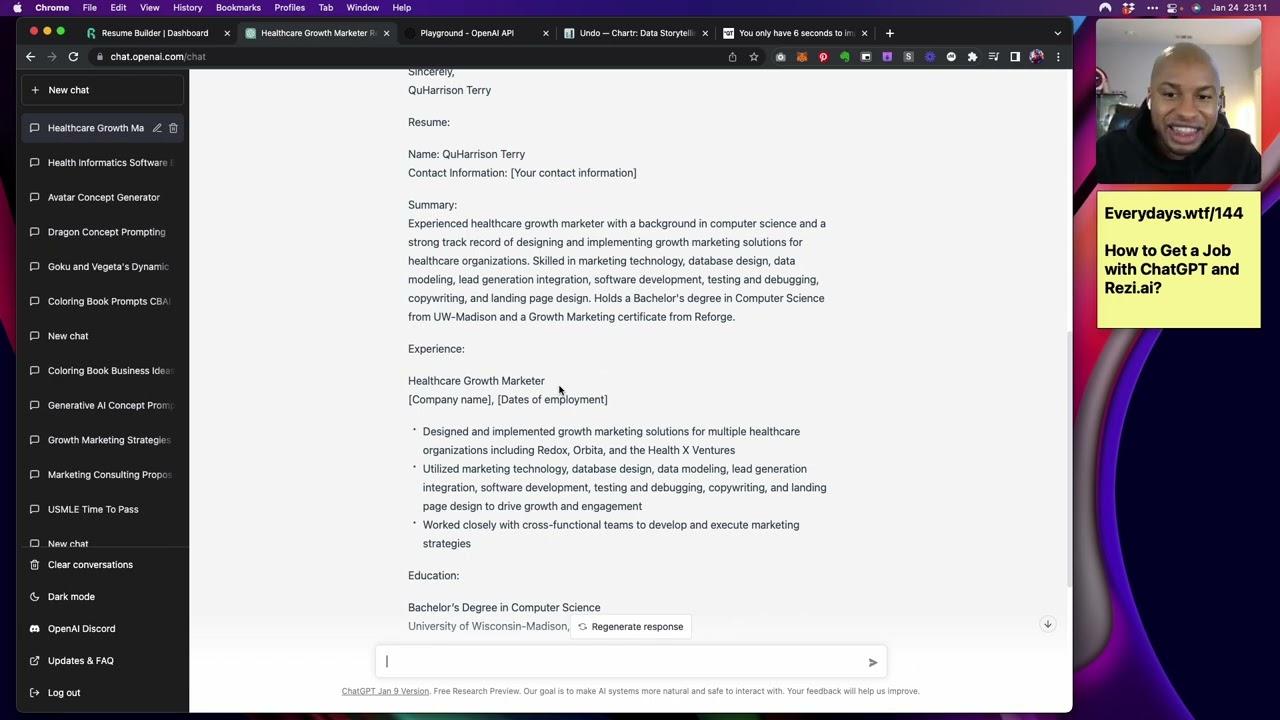
Integrating ChatGPT with popular resume builder tools can transform the often tedious process of crafting professional documents into a streamlined, personalized experience. For example, by pairing ChatGPT with tools like Canva Resume Builder or Zety, job seekers can generate tailored content quickly and then customize design elements seamlessly. Imagine spending only 20 minutes generating a comprehensive, jargon-free job description with ChatGPT, which you then paste into Zety’s sleek interface to create a polished, ATS-friendly resume within the next 15 minutes. Such integration not only saves time but also enhances the quality of the final document.
One practical approach involves using ChatGPT to draft engaging bullet points that highlight key accomplishments. Suppose a marketing professional wants to avoid generic statements like “Managed social media accounts” and aims for more specific, impactful phrasing such as “Increased social media engagement by 35% within six months through targeted campaigns.” After generating multiple iterations in ChatGPT, they can transfer these snippets to Resume.io or VisualCV for further refinement and layout customization. This collaboration between AI and design tools empowers users to produce resumes that resonate with recruiters, boosting interview callbacks by measurable margins-often documented as an increase of 20-30% in response rates within 60 days.
For cover letters, tools like Novoresume combined with ChatGPT’s ability to draft heartfelt, personalized introductions and closing statements create a compelling narrative flow. Users report that spending just 10 minutes refining AI-generated drafts results in cover letters that feel authentically human and targeted, rather than formulaic. This nuanced synergy can also be enhanced with project management platforms such as Trello or Notion to track multiple job applications, each with custom content generated and curated by ChatGPT. Such organizational support ensures consistency, timeliness, and a professional edge across all application materials.
| Tool Combination | ChatGPT Role | Resume Builder Role | Time Saved | Result Example |
|---|---|---|---|---|
| ChatGPT + Zety | Content generation & keyword optimization | Template design & ATS compatibility | 35 minutes total (vs. 2 hours manually) | 30% increase in recruiter responses |
| ChatGPT + Canva | Drafting achievement highlights | Visual customization & branding | 25 minutes total | Stronger personal branding on LinkedIn |
| ChatGPT + Novoresume | Personalized cover letter drafts | Content layout & formatting | 15 minutes for cover letter | More interview invitations from personalized letters |
Q&A
How can I get ChatGPT to tailor my resume for a specific job posting?
– Paste the job posting into ChatGPT and prompt it to “rewrite my resume emphasizing the top 3 required skills and include three bullet points per role with quantifiable results.” In about 10-15 minutes you can get a tailored draft that highlights keywords found in the posting for ATS and recruiter visibility.
What prompts should I use to write a concise cover letter?
– Ask ChatGPT for a “250-300 word, 3-paragraph cover letter that mentions 2 specific achievements and why I’m a fit for this role,” and provide your resume plus the job description. You can iterate quickly-each revision typically takes under 5 minutes-to refine tone and details.
Why should I check the AI-generated resume for ATS compatibility?
– ATS software often scans for keywords, file type, and simple formatting, so exporting a .docx or ATS-friendly PDF with 1-inch margins and standard fonts increases chances of parsing correctly. Run the resume through a tool like Jobscan or an ATS simulator and aim for a 60%+ match on the first pass before sending.
Which tools should I combine with ChatGPT to polish my final documents?
– Use ChatGPT (or GPT-4 via ChatGPT Plus) to draft content, Grammarly to catch grammar and tone issues, and Jobscan or LinkedIn to optimize keywords; for creative layouts, try Canva for a visual resume. Leave at least 24 hours for a final human review to catch context or accuracy issues before submitting.
The Way Forward
Bottom line: think of ChatGPT as your rapid drafting partner-use it to turn rough notes into tailored, interview-ready resumes and cover letters in minutes. It helps you iterate quickly, target role-specific keywords, and keep your authentic voice. Try a prompt tonight, then share which version worked best or read our follow-up on optimizing for ATS.