How to Save More Money with Simple Budgeting Tips
Mastering your finances doesn't have to be daunting. Start small with simple budgeting tips: track your expenses, prioritize needs over wants, and set realistic savings goals. These straightforward steps can turn your financial chaos into clarity. Start today!

In a world where expenses seem to multiply with every passing day, mastering the art of budgeting has never been more vital. Weather you’re striving to pay off debt, save for a dream vacation, or simply want to stretch your paycheck a little further, effective budgeting can be a game changer.but the concept often feels daunting, shrouded in complex spreadsheets and restrictive limitations. Fear not, for saving money doesn’t have to entail sacrificing your lifestyle or indulging in endless spreadsheets. In this article, we unravel simple yet powerful budgeting tips that can seamlessly integrate into your daily routine. With these strategies, you’ll not only watch your savings grow but also gain confidence in your financial decisions. Join us as we explore practical ways to reclaim control over your finances and pave the way toward a more secure future.
Table of Contents
- Mastering the Basics of Budgeting for financial Freedom
- Essential Tools and Apps to Streamline Your Budgeting Experience
- Strategies to Identify and Eliminate Unnecessary Expenses
- creating a Sustainable Saving Habit for Long-Term Financial Success
- Q&A
- In Summary
Mastering the Basics of Budgeting for Financial Freedom
Achieving financial freedom starts with a solid understanding of budgeting. To master the basics, consider these **simple yet effective strategies** to manage your finances and save more money:
- Track Your Expenses: Use budgeting apps or spreadsheets to monitor where your money goes each month.
- Set Clear Goals: Define both short-term and long-term financial objectives, like saving for a vacation or retirement.
- Prioritize Needs Over Wants: Distinguish essential expenses from discretionary spending to allocate funds better.
- Establish an Emergency Fund: Aim to save at least three to six months’ worth of living expenses for unexpected situations.
- Revise Regularly: Review and adjust your budget monthly to reflect changes in income or expenses.
By integrating these fundamental practices into your financial routine, you will not only build a roadmap toward financial independence but also enhance your confidence in handling personal finances.To illustrate how budgeting can shape your financial landscape, consider the following table that highlights a sample budget breakdown:
| Category | Monthly budget | Actual Spending | Difference |
|---|---|---|---|
| Housing | $1,200 | $1,200 | $0 |
| groceries | $400 | $350 | +$50 |
| Transportation | $200 | $220 | -$20 |
| Savings | $300 | $400 | +$100 |
| Entertainment | $100 | $90 | +$10 |
Essential Tools and Apps to Streamline Your Budgeting Experience
Budgeting doesn’t have to be a tedious task, especially with the right tools and applications at your fingertips. Using technology to manage your finances can turn budget maintenance into a seamless experience. Here are some essential tools you might consider:
- mint: A user-friendly app that helps you track expenses, create budgets, and even provides credit score monitoring.
- YNAB (You Need A Budget): This app promotes a proactive approach to budgeting by encouraging users to assign every dollar a job.
- EveryDollar: A zero-based budgeting app designed by Dave Ramsey that simplifies expense tracking and goal setting.
- GoodBudget: An envelope budgeting app that helps you plan your spending and save for future expenses.
Along with these apps, integrating simple tools like spreadsheets can further enhance your budgeting strategy. For those who appreciate a more manual approach, creating personalized templates can provide a clear overview of your finances.Below is a simple example of how you might structure your monthly budget tracking:
| Category | Budgeted Amount | Actual Amount | Difference |
|---|---|---|---|
| Groceries | $400 | $350 | $50 |
| Utilities | $150 | $160 | -$10 |
| Transportation | $200 | $180 | $20 |
| Total | $750 | $690 | $60 |
Strategies to Identify and Eliminate Unnecessary Expenses
To regain control of your finances, start by conducting a thorough review of your spending habits. This means examining every expense, no matter how small. Consider using a spreadsheet or budgeting app to categorize your expenditures into different areas such as groceries, utilities, entertainment, and more. **Highlight the areas where you tend to overspend**. Once you identify these patterns, you can take actionable steps to cut back. For instance,if you frequently dine out,challenge yourself to cook at home more often; if subscriptions are draining your wallet,reassess their value and consider canceling the ones you rarely use.
Another effective method to eliminate unnecessary costs is to implement the **30-day rule**. When you feel an impulse to make a purchase, wait for a month before deciding to buy. This cooling-off period often reveals whether the item is truly needed or simply a fleeting desire. Additionally, look for opportunities to negotiate bills or contracts. **Consider these strategies** to further reduce costs:
- Review and bundle insurance policies for discounts.
- Switch to a cheaper mobile phone plan.
- Take advantage of rewards programs and cash-back offers.
if you’re serious about saving, it might also help to create a small table to visualize potential savings each month:
| Expense Type | Current Cost | Target Cost | Potential Savings |
|---|---|---|---|
| Dining Out | $200 | $100 | $100 |
| Subscriptions | $50 | $20 | $30 |
| Utilities | $150 | $120 | $30 |
Creating a Sustainable Saving Habit for Long-Term Financial Success
Establishing a sustainable saving habit starts with a clear understanding of your financial landscape. One effective approach is to analyze your income and expenses meticulously. Develop a monthly budget that highlights both essential and discretionary spending, allowing you to visualize where your money goes. consider adopting the **50/30/20 rule**: allocate 50% of your income to necessities,30% to wants,and 20% to savings or debt repayment. This method can lead to smoother transitions in your financial planning while promoting a disciplined approach toward saving. Here are a few strategies to help reinforce this habit:
- Automate Savings: Set up automatic transfers to your savings account after each paycheck.
- Track Your Progress: Use apps or spreadsheets to monitor your saving goals.
- Create an Emergency Fund: aim to save at least three to six months’ worth of expenses for unexpected situations.
Additionally, small adjustments can yield significant results.A great way to boost your savings is by identifying recurring expenses that can be minimized or eliminated. Perform a monthly audit of subscriptions and memberships, and cancel those you don’t utilize. Moreover, consider implementing a no-spend challenge for a week or a month to curtail unnecessary purchases. Here’s a fast comparison of potential savings based on different lifestyle changes:
| Change | Monthly Savings |
|---|---|
| Coffee Shop Visits (3/wk to 1/wk) | $30 |
| Dining Out (2/week to 1/week) | $100 |
| Unused Subscriptions (cancelling 2) | $20 |
By incorporating these strategies into your financial routine,you cultivate a lasting saving habit that not only enhances your financial stability but also paves the way for long-term prosperity.
Q&A
**Q&A: How to Save More Money with Simple budgeting Tips**
**Q: Why is budgeting crucial for saving money?**
A: Budgeting acts as your financial roadmap, guiding you through your income and expenses. It illuminates where your money is going, helps you make informed decisions, and ultimately empowers you to allocate funds toward savings, rather than overspending.
**Q: What’s the first step I should take to create a budget?**
A: Start by tracking your income and expenses for at least a month. List all sources of income and categorize your expenses (fixed, variable, discretionary). This will give you a clear picture of your financial habits and where adjustments can be made.
**Q: How can I identify and cut unnecessary expenses?**
A: Review your tracked expenses for patterns. look for subscriptions you no longer use, frequent dining out, or impulse purchases. Ask yourself if each expense is truly necessary—if not, it’s an opportunity to trim your budget and boost savings.
**Q: Should I allocate a specific percentage of my income to savings?**
A: Yes! A common suggestion is to save at least 20% of your income.Though,start with what you can afford and gradually increase it as you become more comfortable with budgeting. The critically important thing is to make saving a priority.
**Q: how can I stick to my budget without feeling deprived?**
A: Rather of focusing on restrictions, embrace flexibility. Allow yourself small treats within your budget, set savings goals for things you genuinely want, and use the envelope system for discretionary spending. This way, you won’t feel deprived, and you’ll still meet your savings targets.
**Q: Are ther any tools or apps that can help with budgeting?**
A: Absolutely! There are many budgeting apps available,such as Mint,YNAB (You Need A Budget),and PocketGuard,each offering unique features to help track expenses,set goals,and forecast future spending. Find one that resonates with your style!
**Q: What if my income fluctuates each month?**
A: For variable income, create a baseline budget based on your lowest expected income.Focus on essential expenses first, and once the month’s income is tallied, allocate any excess funds toward savings or debt repayment. This approach helps to manage uncertainty and ensures you stay on track.
**Q: how frequently enough should I review my budget?**
A: It’s wise to review your budget monthly. This allows you to adjust for any changing circumstances, reassess financial goals, and make informed decisions for the upcoming month.Regular check-ins keep your financial health on track.
**Q: Can you provide some simple budgeting tips to improve my savings?**
A: Certainly! Here are a few:
1.**Automate Savings**: Set up automatic transfers to your savings account on payday.2. **Spend Cash**: Use cash for discretionary spending to limit overspending.
3. **Meal Plan**: Plan your meals for the week to reduce grocery bills and food waste.
4. **Set Goals**: whether it’s for a vacation or a new gadget, having a goal makes saving more motivating.
5. **track Progress**: celebrate your savings milestones to stay encouraged and motivated!
**Q: What’s the key takeaway regarding budgeting and savings?**
A: Remember, budgeting is not about restrictions—it’s about empowerment.It’s a tool that allows you to align your expenses with your financial goals and make informed decisions that lead to increased savings and financial stability. happy budgeting!
In Summary
In a world where financial stability frequently enough feels just out of reach, the power of simple budgeting cannot be overstated. By embracing the strategies outlined in this article,you are taking a significant step toward reclaiming control over your finances. Remember, the journey to savings doesn’t have to be intricate or overwhelming; it can begin with small, manageable changes to your daily habits.
As you put these tips into practice, envision your financial goals coming closer within reach—whether it’s a dream vacation, a new home, or a rainy-day fund. Empower yourself with the knowledge that every little effort adds up, leading to more significant rewards.
So, take a moment to reflect on where you want your financial roadmap to lead you. With creativity and discipline,saving money can transform from a daunting task into an attainable goal. Now, armed with these practical budgeting tips, go forth and cultivate the financial future you deserve. Happy budgeting!
This article summarizes and explains reporting from the source linked above. We do not add test results or figures that the source does not contain. About & Editorial Standards · Submit a correction
 By Admins
● Keep reading

How a Personal Finance Blogger Used AI to Write 50 SEO Optimized Articles in 30 Days
A personal finance blogger harnessed AI to craft 50 SEO-optimized articles in just 30 days, boosting site traffic and saving countless hours on content creation.
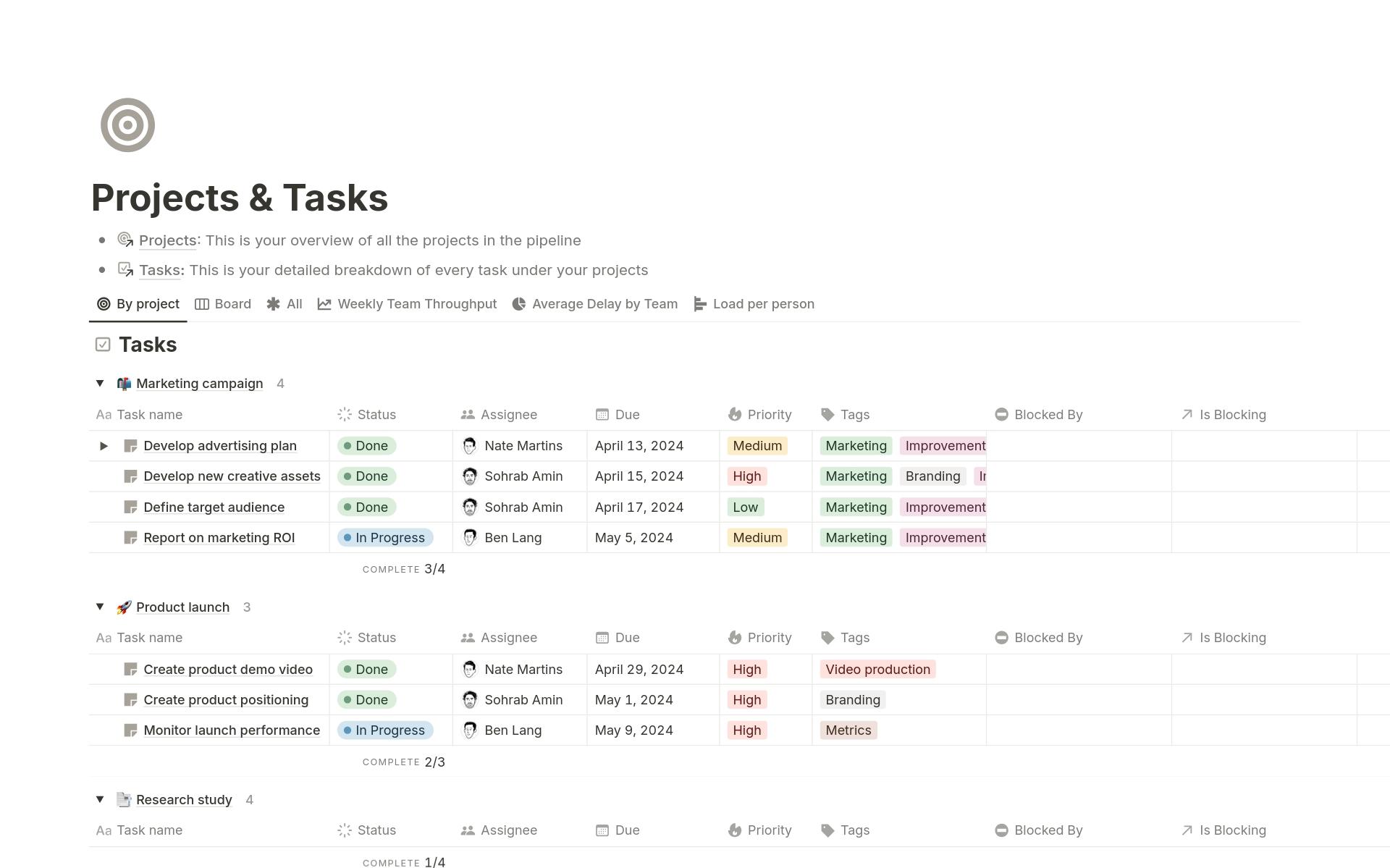
Use AI to Build a Side Hustle Tracker in Notion
Harness the power of AI to create a smart side hustle tracker in Notion. Streamline your goals, automate task management, and gain real-time insights-all in one dynamic workspace designed to boost your entrepreneurial journey.
How to Use AI to Manage Your Personal Finances
Harness AI to transform your personal finances effortlessly. From tracking spending to smart budgeting and investment insights, AI tools offer tailored guidance-turning complex money management into a simple, stress-free experience.