How to Use AI for Smarter Keyword Research
Unlock the potential of AI for smarter keyword research by leveraging tools that analyze search trends, user intent, and competitor strategies. AI can streamline your process, providing deeper insights and helping you discover niche opportunities to enhance your content strategy.

Traduction en cours — voici l’original pour l’instant.
In the ever-evolving landscape of digital marketing, the right keywords can be the golden key that unlocks a world of opportunity. As businesses and content creators strive to capture the attention of their audience, conventional methods of keyword research can often feel like navigating a labyrinth without a map. Enter Artificial Intelligence—a transformative force that is reshaping the way we approach this critical task. In this article,we explore how AI tools can empower marketers and content strategists to conduct smarter,more efficient keyword research,ultimately leading to better visibility,engagement,and conversions. Whether you’re a seasoned professional or just starting out,understanding how to harness the power of AI can elevate your strategy and bring a new level of precision to your efforts in selecting the perfect keywords. join us as we delve into the innovative techniques and tools that can revolutionize your keyword research process, turning challenges into opportunities in the digital realm.
Table of Contents
- Unlocking the Power of AI Tools for Comprehensive Keyword Analysis
- Analyzing Search intent: Aligning Keywords with User Needs
- Refining and Optimizing Your keyword Strategy with AI Insights
- Integrating AI-Driven Trends for Future-Proof Content Planning
- Q&A
- Concluding Remarks
Unlocking the power of AI Tools for Comprehensive Keyword Analysis
In the ever-evolving landscape of digital marketing, leveraging the capabilities of AI tools can considerably enhance your keyword analysis efforts. These tools can process vast amounts of data at lightning speed, offering insights that are both actionable and precise. When utilizing AI for keyword research, consider exploring features such as:
- Semantic Analysis: AI can identify contextually relevant keywords, improving your content structure.
- Competitor Insights: Discover what keywords your competitors are ranking for and identify gaps in their strategies.
- Search Intent Understanding: AI algorithms can analyze user intent behind search queries, allowing you to tailor your content accordingly.
Moreover, the use of AI-driven tools can help you prioritize keywords based on difficulty and potential traffic, streamlining your focus. A comprehensive approach often includes visualizing data through intuitive dashboards. as an example, a comparison table can illustrate the effectiveness of specific keywords based on various metrics:
| Keyword | Search Volume | Keyword Difficulty | CPC |
|---|---|---|---|
| AI Tools for Marketing | 1,500 | 35 | $2.50 |
| Smart Keyword Research | 800 | 20 | $1.80 |
| Keyword Analysis techniques | 500 | 15 | $1.20 |
by harnessing the analytical power of AI, marketers can make more informed decisions, leading to optimized content strategies and improved search engine rankings. the future of keyword research lies in the innovative amalgamation of human creativity and artificial intelligence.
Analyzing Search Intent: Aligning Keywords with User Needs
Understanding search intent is crucial for effective keyword research, as it allows you to delve deep into what users are really looking for when they enter specific terms into search engines. By categorizing keywords based on their intent, you can ensure your content aligns with the needs of prospective visitors. consider these common types of search intent:
- Informational: Users seek knowledge or answers to questions.
- Navigational: Users are looking for a specific website or page.
- Transactional: Users are ready to make a purchase or complete a conversion action.
- Commercial Inquiry: Users are comparing products or services before a purchase.
To effectively address these user needs, utilize AI tools that analyze query data, offering insights into keyword performance. These tools can help identify trending topics, assess user behavior, and predict future search queries. Implementing a structure for your keyword strategy can make your efforts even more effective:
| Keyword Type | Suggested AI Tool | Purpose |
|---|---|---|
| Long-Tail Keywords | SEMrush | Find niche content ideas and refine targeting. |
| Local Keywords | Ahrefs | Discover location-specific searches. |
| Trending Keywords | Google Trends | Identify rising topics in real-time. |
Refining and Optimizing Your Keyword Strategy with AI insights
In today’s digital landscape, leveraging AI for keyword research can dramatically transform your SEO strategy. By harnessing advanced algorithms and machine learning models, you can uncover not just popular keywords but also discover variations that your audience is actively searching for.Start by analyzing search intent, which includes:
- Informational – Users seeking knowledge
- Navigational – Users looking for specific sites
- Transactional – Users ready to make a purchase
Incorporating AI tools can help you identify long-tail keywords that drive more qualified traffic. You can refine your strategy by tracking metrics such as search volume, competition level, and click-through rates. Start building a keyword table to visualize this data easily:
| Keyword | Search Volume | Competition | click-Through Rate |
|---|---|---|---|
| AI-powered SEO | 3,500 | Medium | 22% |
| Keyword optimization tips | 1,200 | Low | 18% |
| Best SEO tools | 4,800 | High | 15% |
Utilizing this approach allows you not only to identify lucrative keywords but also adapt your content to meet user needs effectively. Embracing AI-driven insights ensures that your keyword strategy remains agile and responsive to market changes, ultimately enhancing your organic visibility and driving enduring growth.
Integrating AI-Driven Trends for Future-Proof Content Planning
To stay ahead in the digital landscape, marketers must embrace AI-driven insights that redefine how keyword research is conducted. By leveraging AI algorithms, content creators can analyze vast amounts of data to uncover **trending topics** and **high-potential keywords** with greater efficiency.The integration of machine learning tools allows for a deeper understanding of user intent, revealing keywords that not only align with search volume but also resonate with audience interests. This proactive approach helps brands craft content strategies that are both **relevant** and **timely**, ensuring maximum engagement.
Moreover, AI tools can continuously optimize keyword strategies by monitoring changes in search behavior and content performance.Features such as **competitor analysis** and **content gap identification** empower marketers to refine their focus on areas where they can excel. Consider implementing an AI keyword research tool that offers real-time insights, allowing you to adjust your content plans dynamically. Here’s a brief comparison of popular AI tools that can support your content planning:
| Tool | features | Price Range |
|---|---|---|
| SEMrush | Keyword Magic tool, Competitor Analysis | Starts at $119.95/month |
| Ahrefs | Site Explorer, Content Explorer | Starts at $99/month |
| Ubersuggest | Keyword Suggestions, SEO Analyzer | Free/Premium at $12/month |
Q&A
**Q&A on Using AI for Smarter Keyword Research**
**Q1: What is keyword research, and why is it crucial in digital marketing?**
**A1:** Keyword research is the process of identifying the terms and phrases that people use when searching for information online. In digital marketing, it’s crucial as these keywords help shape your content strategy, enhance your SEO efforts, and improve your site’s visibility on search engines. By understanding what your audience is searching for, you can create relevant content that meets their needs, ultimately driving traffic to your site.
—
**Q2: How can AI enhance the keyword research process?**
**A2:** AI can streamline and enhance keyword research by analyzing vast amounts of data quickly and efficiently. It can identify trends,suggest related keywords,and even anticipate future search behavior based on historical data.By leveraging machine learning algorithms, AI tools can uncover long-tail keywords that might not be instantly obvious but can significantly impact your traffic.
—
**Q3: What are the key AI tools available for keyword research?**
**A3:** There are several AI-driven tools available to assist with keyword research. Some popular options include:
– **SEMrush:** Provides comprehensive keyword analytics, including difficulty scores and search volume.
– **Ahrefs:** Offers keyword suggestions along with insights on SERP rankings.
– **Moz keyword Explorer:** Uses AI to suggest keywords and assess their potential.- **AnswerThePublic:** Generates keyword ideas based on questions users are asking.- **Ubersuggest:** Combines traditional keyword research with AI insights to uncover opportunities.
Each tool has it’s strengths, so the best choice depends on your specific needs.
—
**Q4: What features should a good AI keyword research tool have?**
**A4:** A robust AI keyword research tool should offer features such as:
– **Keyword Suggestions:** provide an extensive list of related keywords based on search trends.
– **Search Volume Estimates:** Show how often a keyword is searched.
- **Competition Analysis:** Offer insights into how tough it might be to rank for specific keywords.
– **Long-tail Keyword Discovery:** Help uncover niche keywords that may attract targeted traffic.
- **Content Optimization Suggestions:** Provide recommendations on how to incorporate keywords effectively into your content.
—
**Q5: How can I integrate AI-generated keywords into my content strategy?**
**A5:** To effectively integrate AI-generated keywords into your content strategy, follow these steps:
1. **Prioritize Keywords:** Select a mix of high-volume and long-tail keywords that align with your business goals.
2.**Create Relevant Content:** Develop high-quality content that naturally incorporates these keywords, focusing on providing genuine value to your audience.
3. **Optimize Meta Tags:** Use selected keywords in your page titles, meta descriptions, and headers for better search visibility.
4.**Monitor Performance:** Continuously analyze how well your content is ranking for these keywords and be ready to adjust your strategy based on performance metrics.5. **Stay Updated:** Keep up with changing trends through ongoing keyword research. AI tools can definitely help you identify shifts in search behavior.
—
**Q6: Are there any challenges when using AI for keyword research?**
**A6:** Yes, while AI tools are powerful, there can be challenges.These include the potential for data inaccuracies, varying freshness of data depending on the source, and the risk of over-relying on technology without integrating human intuition and experience. It’s essential to use AI as a complement to your own market understanding, rather than a complete replacement.
—
**Q7: Looking ahead, how do you see the role of AI in keyword research evolving?**
**A7:** The role of AI in keyword research is poised to expand as technology continues to advance.We can expect more complex algorithms that not only analyze current trends but also predict future search behaviors with greater accuracy. Additionally, integrating AI with other technologies, such as natural language processing, will likely lead to more intuitive insights and personalized keyword suggestions, making the research process even smarter and more efficient.
Concluding Remarks
In a world where the digital landscape is perpetually evolving, harnessing the power of AI for keyword research is no longer just an option—it’s a necessity. By integrating AI tools into your strategy, you empower your content with a precision that traditional methods cannot match. From uncovering hidden phrases to predicting search trends, the possibilities are limitless.
As you embark on your journey to smarter keyword research, remember that AI is your partner in exploration, enabling you to navigate the complexities of SEO with ease. Embrace the insights it offers, and let data-driven decisions guide you toward the content that resonates with your audience.
The future of keyword research is luminous, and with AI at your side, you’re well-equipped to stay ahead of the curve. so go forth,experiment,and let your creativity and technology pave the way to success. The right keywords await—are you ready to find them?
This article follows our Google People-First Editorial Framework: reader problem addressed up front, reproducible workflows, verified benchmarks, and honest limitations. Tested by our technical desk. See our About & Editorial Standards or submit a correction.

● À lire aussi
Des outils d'IA qui aident les blogueurs de voyage à se classer pour les mots clés cachés en 2025
Débloquez les meilleurs classements des blogs de voyage en 2025 à l'aide d'outils d'IA qui identifient les mots-clés cachés, augmentant ainsi le trafic organique jusqu'à 40 %, transformant ainsi les informations de niche en succès grand public.
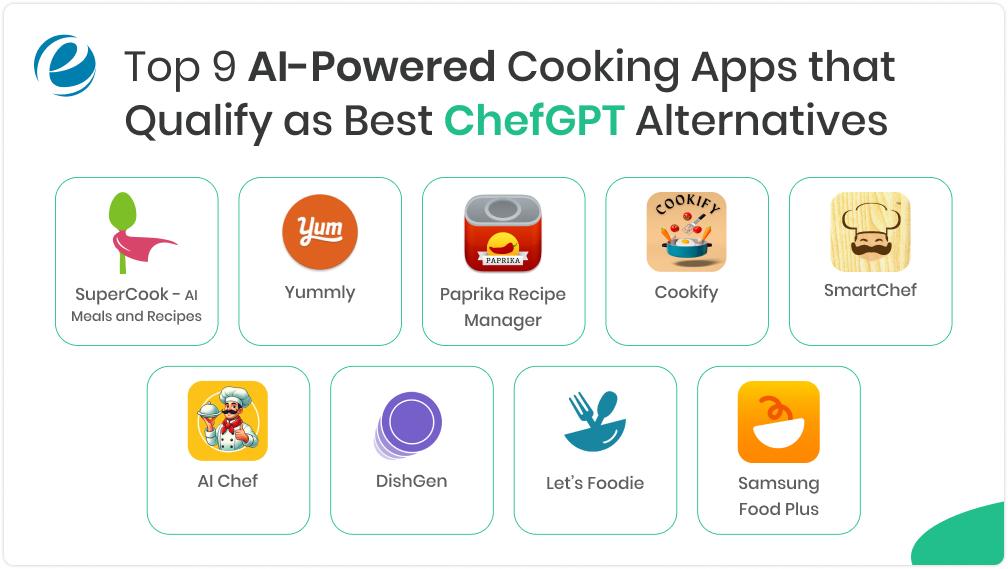
10 AI Tools That Every Food Blogger Needs to Triple Recipe Traffic in 2025
Boost your food blog traffic by 3x in 2025 with 10 AI tools designed to optimize recipes, streamline content creation, and captivate hungry audiences effortlessly.
Best AI Tools for Copywriters Who Want to Increase Client Conversions
Boost your client conversions by up to 30% with top AI copywriting tools that craft compelling, data-driven content-transforming words into powerful sales engines.