In an era where technology continually reshapes the way we live and work, the idea of having a personal assistant at your fingertips no longer belongs to the realm of science fiction. Imagine a digital companion that organizes your schedule, answers your questions, and streamlines your daily tasks-all without the hefty price tag of commercial software. Thanks to a growing ecosystem of free AI tools, creating a personalized assistant bot has become accessible to enthusiasts and professionals alike. This article will guide you through the fascinating process of building your own personal assistant bot, leveraging powerful yet cost-free resources that bring artificial intelligence into your hands. Whether you’re a curious beginner or a seasoned coder, discover how to transform a few simple tools into a smart helper tailored just for you.
Table of Contents
- Choosing the Right Free AI Platforms for Your Personal Assistant Bot
- Designing Smart Interaction Flows to Enhance User Experience
- Integrating APIs and Automations for Seamless Functionality
- Q&A
- Future Outlook
Choosing the Right Free AI Platforms for Your Personal Assistant Bot
Finding the perfect free AI platform to power your personal assistant bot hinges on understanding your specific needs and the unique features each tool offers. When evaluating options, consider the following essential factors:
- Ease of Integration: Ensure the platform seamlessly connects with your preferred communication channels, such as messaging apps or smart home devices.
- Customization Capabilities: Opt for platforms that allow tweaking of responses and behaviors to align the bot’s personality with your style.
- Natural Language Processing Quality: Prioritize tools with advanced NLP for more human-like interactions and better comprehension of varied queries.
- Scalability: Think ahead-choose platforms that can grow with your evolving requirements without demanding costly upgrades.
- Community and Support: Platforms backed by active user communities and accessible documentation ease troubleshooting and inspiration for innovative bot functionalities.
| Platform | Best For | Unique Feature | Limitations |
|---|---|---|---|
| Dialogflow | Multi-channel Bots | Advanced NLP | Complex setup for beginners |
| Rasa | Open-source Customization | Complete control over data | Requires coding skills |
| Microsoft Bot Framework | Enterprise Solutions | Extensive integration tools | Steeper learning curve |
| Wit.ai | Quick Prototyping | Simple setup and training | Limited advanced features |
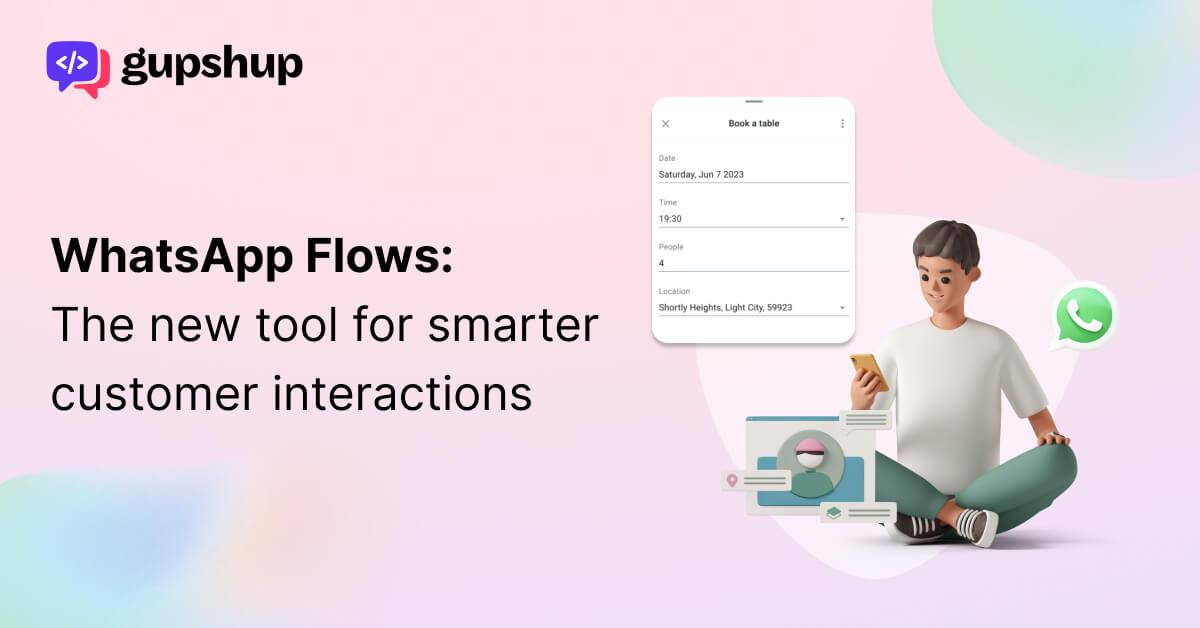
Designing Smart Interaction Flows to Enhance User Experience
Creating intuitive interaction flows is crucial to ensure your personal assistant bot not only responds but truly engages users. Start by mapping the user journey, anticipating questions, and designing responses that feel natural and conversational. Incorporate elements such as:
- Context-aware prompts that adapt based on previous inputs
- Fallback options for handling unexpected queries gracefully
- Multi-turn dialogues that can manage extended conversations without losing track
- Clear feedback loops so users understand what the bot can and cannot do
Additionally, consider implementing a simple decision table like the one below to prioritize bot responses and streamline interaction flow:
| User Input | Bot Action | Fallback Strategy |
|---|---|---|
| Greeting | Respond with personal welcome message | Default greeting prompt |
| Task Request | Parse and confirm task details | Ask clarifying question |
| Unrecognized Command | Offer help menu | Transfer to human support |
Integrating APIs and Automations for Seamless Functionality
Bringing your personal assistant bot to life hinges on smooth integration of APIs and automations that effortlessly link various services. By connecting AI capabilities with tools like calendars, email platforms, and smart home devices via APIs, your bot can fetch data, send reminders, and execute tasks without missing a beat. To organize this smart orchestration, consider employing:
- Webhook triggers to respond to real-time events.
- Automation platforms like Zapier or Integromat for simplified workflow creation.
- RESTful API calls to retrieve or update information dynamically.
Utilizing these methods creates a harmonious ecosystem where your bot reacts precisely to your needs-whether that’s scheduling meetings, streaming music, or updating task lists-turning automation into a seamless extension of daily life.
Q&A
Q&A: Creating a Personal Assistant Bot Using Free AI Tools
Q1: What exactly is a personal assistant bot?
A personal assistant bot is a software program designed to perform tasks or services for an individual based on commands or questions. It can manage schedules, send reminders, answer queries, and even automate repetitive tasks, acting like a digital helper tailored to your needs.
Q2: Why should I consider building a personal assistant bot?
Building your own bot empowers you to customize its abilities specifically to your lifestyle or workflow. Plus, using free AI tools makes it affordable and accessible, letting you explore AI without deep coding expertise or costly subscriptions.
Q3: What free AI tools are best suited for creating a personal assistant bot?
Several free tools can help, such as:
- Dialogflow by Google: For natural language understanding and conversational interfaces.
- Microsoft Bot Framework: To develop, connect, and manage intelligent bots.
- Rasa Open Source: For more control over conversational AI with open-source flexibility.
- OpenAI’s GPT-3 Playground (free tier): To generate responses and manage dialogue dynamically.
Q4: Do I need programming skills to create a personal assistant bot?
Basic programming knowledge is helpful but not mandatory. Many platforms offer graphical interfaces and templates to build bots through drag-and-drop workflows. For more tailored functions, some coding (in Python, JavaScript, etc.) might be required.
Q5: How do I start building my bot?
- Define your assistant’s purpose and tasks.
- Choose the AI tool that fits your needs and skill level.
- Design the conversation flow-how the bot should respond to different inputs.
- Integrate APIs if you want it to interact with calendars, emails, or other apps.
- Test thoroughly and iterate based on feedback.
Q6: Can this personal assistant bot work across multiple devices?
Yes! Many bot frameworks support deployment on various platforms like smartphones, desktops, and smart home devices. With some setup, your assistant can be accessible via messaging apps, websites, or voice-enabled devices.
Q7: What are some challenges I might face?
Common hurdles include handling unexpected user inputs, maintaining privacy and security, and ensuring your bot understands context well. Continuous training and updates are essential to keep the assistant useful and reliable.
Q8: Is it safe to use free AI tools for personal data?
While free AI tools offer great functionality, you should be cautious about sharing sensitive information. Review each platform’s privacy policies and avoid inputting confidential data unless you use self-hosted or securely managed solutions.
Q9: How can I improve my bot over time?
Monitor user interactions to find gaps or errors, gather user feedback, and update conversation flows or intents regularly. As AI models evolve, integrating newer features or upgrades can also enhance your assistant’s performance.
Q10: Where can I learn more or find tutorials?
Official documentation from tool providers, online courses on platforms like Coursera or Udemy, developer forums like Stack Overflow, and community groups on social media are invaluable resources. Many offer step-by-step guides tailored for beginners.
Creating a personalized assistant bot using free AI tools is not only achievable but a rewarding way to automate everyday tasks and explore AI’s creative potential. With patience and experimentation, your digital helper can soon become an indispensable part of your routine.
Future Outlook
Bringing your own personal assistant bot to life no longer requires hefty budgets or complex coding skills. With the wealth of free AI tools available today, anyone can craft a digital helper tailored to their unique needs. As you experiment and customize your creation, you’re not just building a bot-you’re embracing a future where technology works seamlessly alongside you. So, take what you’ve learned, dive into the world of AI, and let your personal assistant bot transform the way you organize, create, and conquer daily tasks. The journey has just begun, and the possibilities are as limitless as your imagination.