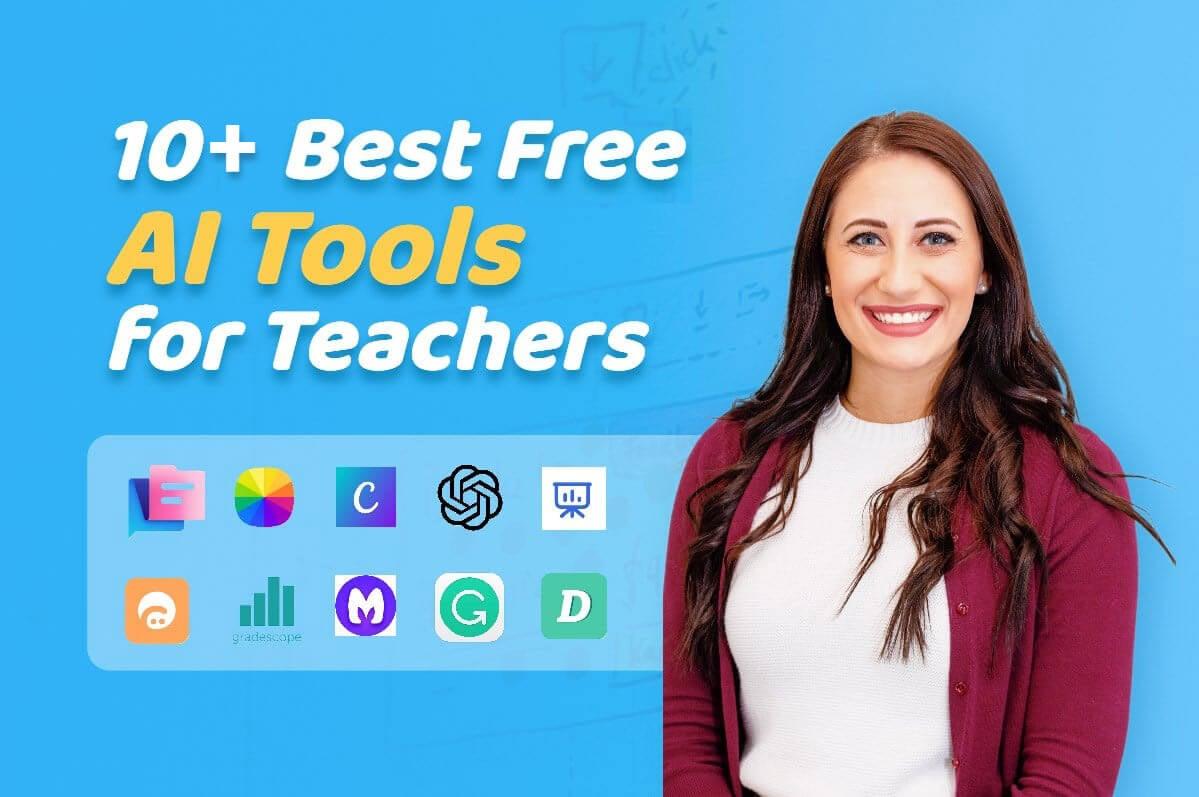
In the evolving landscape of education, technology continues to rewrite the rules of teaching and learning. Among the most transformative innovations are artificial intelligence (AI) tools-powerful, accessible, and increasingly free-that empower educators to enhance engagement, streamline administrative tasks, and personalize student experiences. For teachers navigating an ever-expanding digital toolbox, knowing which AI resources truly deliver value can be daunting. This article explores the best free AI tools designed specifically for educators, shining a light on practical solutions that can inspire new possibilities in the classroom without straining budgets. Whether you’re looking to spark creativity, simplify grading, or support diverse learning needs, these tools offer a glimpse into the future of education made accessible today.
Table of Contents
- Best Free AI Tools Revolutionizing Classroom Engagement
- In-Depth Exploration of AI Applications for Personalized Learning
- Top Recommendations for Educators Embracing Artificial Intelligence
- Q&A
- In Retrospect
Best Free AI Tools Revolutionizing Classroom Engagement
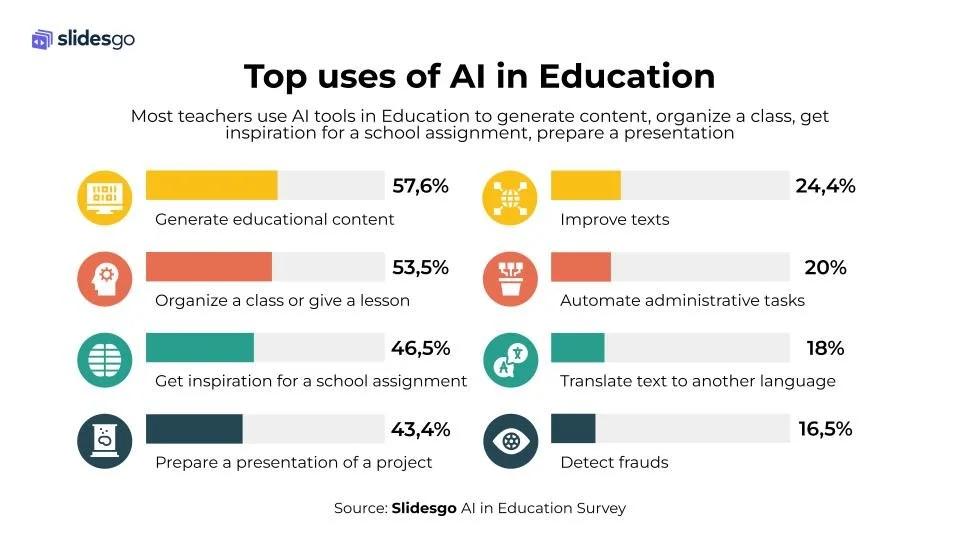
Harnessing the power of AI doesn’t have to come with a hefty price tag. Educators can now transform their classrooms with a suite of innovative free AI tools designed to foster interaction, personalize learning, and simplify administrative tasks. Tools like Quizlet for AI-generated flashcards, EdPuzzle for interactive video lessons, and Google’s AI in Classroom for real-time feedback provide dynamic ways to keep students engaged. These tools empower teachers to customize experiences – from automated essay scoring to personalized learning paths – all while promoting creativity and critical thinking. Here’s a quick overview of some standout options:
- Quizlet: AI-driven study sets and flashcards tailored to student progress.
- EdPuzzle: Interactive videos enhanced with AI analytics on student engagement.
- Google AI in Classroom: Smart feedback tools and lesson planning aids.
- Kahoot! AI: AI-powered quizzes that adapt in difficulty to student levels.
- Otter.ai: Real-time transcription useful for lectures and study materials.
| Tool | Key Feature | Ideal For |
|---|---|---|
| Quizlet | Adaptive flashcard creation | Vocabulary & concept review |
| EdPuzzle | Interactive video quizzes | Visual and auditory learners |
| Google AI | Feedback & lesson planning | Grading & individualized instruction |
| Kahoot! AI | Dynamic quiz difficulty | Class participation & assessment |
| Otter.ai | Live transcriptions | Note-taking & accessibility |
In-Depth Exploration of AI Applications for Personalized Learning
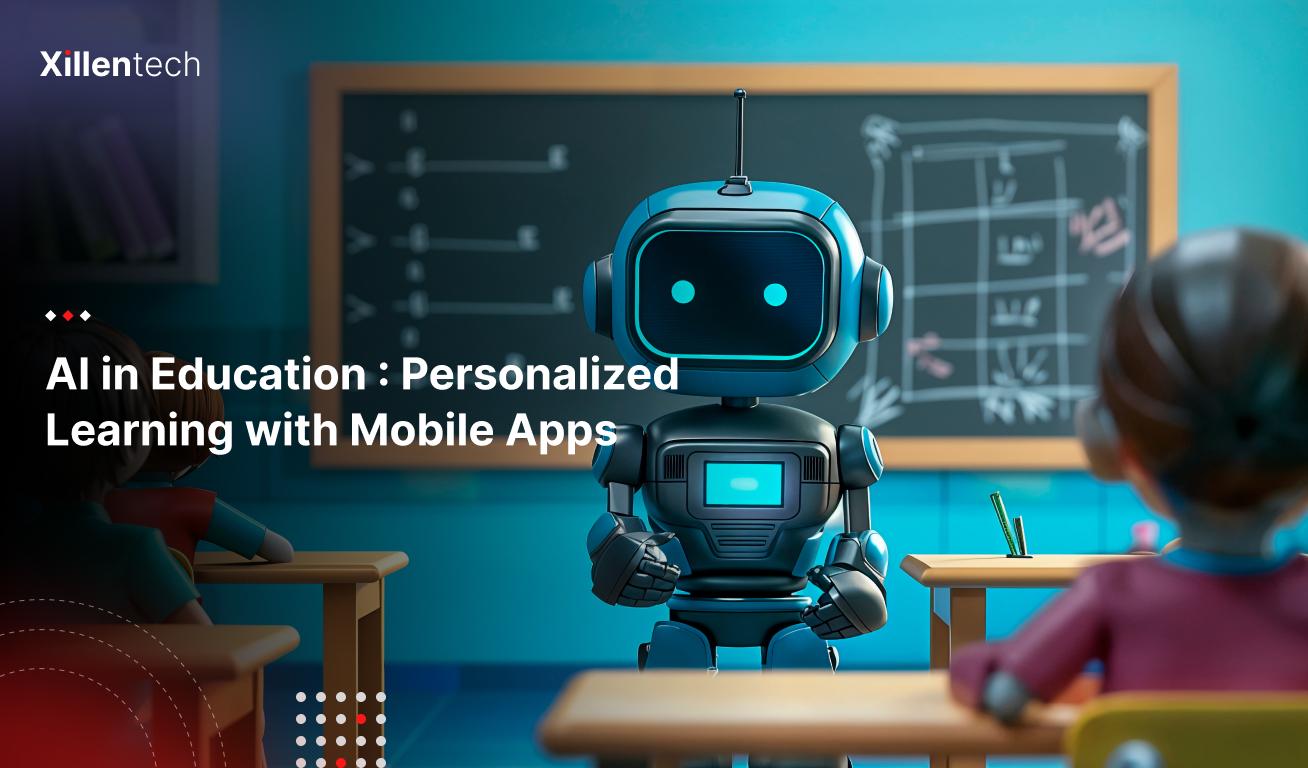
AI’s transformative power in education is reshaping how teachers craft personalized learning experiences. By analyzing student data, AI-driven platforms adapt content and pacing in real time, making learning more engaging and effective. These tools offer features like:
- Dynamic assessments that pinpoint individual strengths and weaknesses
- Customized learning paths that evolve as students progress
- Instant feedback mechanisms that help learners correct course quickly
- Language processing algorithms supporting diverse linguistic backgrounds
Moreover, many free AI resources empower educators to design lessons that resonate uniquely with every student, fostering deeper understanding and enthusiasm. This synergy of human insight and machine intelligence cultivates a more inclusive and responsive classroom environment.
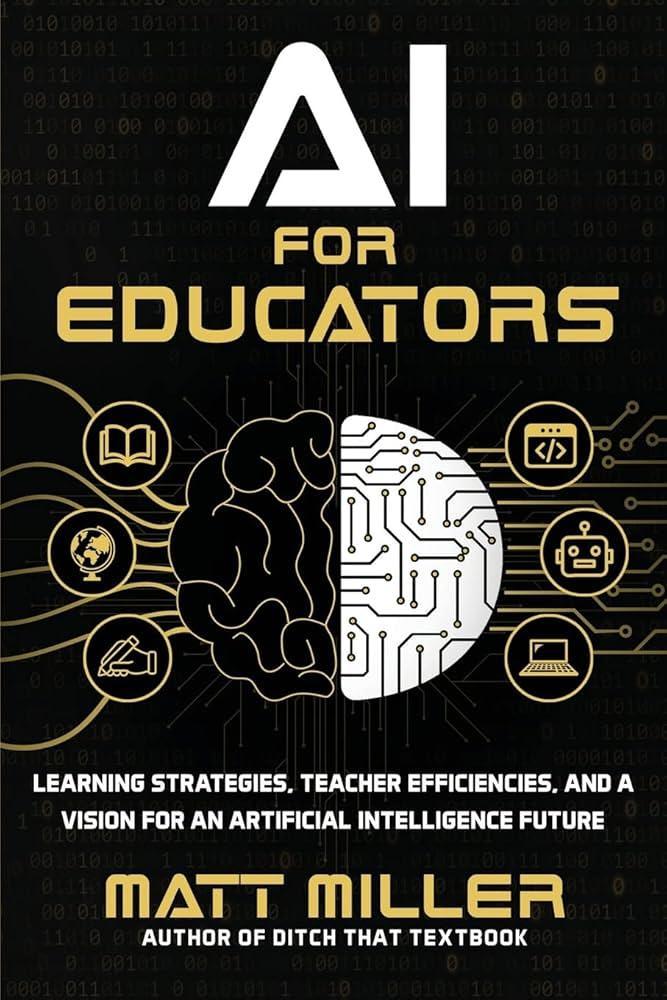
Top Recommendations for Educators Embracing Artificial Intelligence
To truly leverage the power of artificial intelligence in education, educators should prioritize tools that enhance interactivity, personalize learning experiences, and save valuable time. Consider integrating AI-driven assessment platforms that provide instant feedback and adapt to student needs, or explore automated content generation tools to create dynamic lesson plans effortlessly. Additionally, tools with seamless integration into existing Learning Management Systems (LMS) can streamline workflows, while AI-powered communication assistants help maintain clear and timely engagement with students and parents. Here’s a quick glance at some standout features to look for:
- Adaptive Learning Algorithms: Tailor content to individual progress.
- Real-Time Analytics: Monitor student performance to intervene early.
- Natural Language Processing: Facilitate smoother communication and grading.
- Intuitive User Interfaces: Ensure tools are accessible to educators of all tech levels.
- Collaborative Capabilities: Promote group projects and peer learning.
Q&A
Q: What are some of the best free AI tools available for teachers and educators today?
A: There are several standout free AI tools tailored for educators, including platforms like Google Classroom’s AI features, Grammarly for writing assistance, Quizlet for smart flashcards and quizzes, and EdPuzzle for interactive video lessons. Additionally, AI-driven tools like ChatGPT can help generate lesson plans or explain complex concepts in simple terms.
Q: How can AI tools help teachers save time in their daily tasks?
A: AI tools automate repetitive tasks such as grading quizzes, creating personalized learning materials, or providing instant feedback on assignments. This frees up precious time for teachers to focus on interactive teaching and individual student support, rather than administrative duties.
Q: Are free AI tools reliable enough for classroom use?
A: Many free AI tools come from reputable companies and have proven their effectiveness in both remote and in-person educational settings. While they may have limitations in features compared to paid versions, they still offer reliable support for lesson planning, grading, and student engagement, especially when combined with teacher discretion.
Q: Can AI tools help in catering to diverse learning styles and needs?
A: Absolutely. AI-powered platforms can adapt to individual students’ progress, offering tailored content and pacing. For example, some tools can modify reading difficulty levels or provide visual and auditory learning aids, making education more accessible to learners with different preferences and abilities.
Q: What concerns should educators keep in mind when using AI tools?
A: Privacy and data security are crucial considerations, as some tools collect student data. Educators should ensure the AI platforms comply with relevant educational privacy laws and district policies. Additionally, overreliance on AI should be balanced with human judgment to maintain a personal connection with students.
Q: How can educators get started with AI tools if they are not tech-savvy?
A: Most AI tools have user-friendly interfaces and comprehensive tutorials. Teachers can start by integrating one simple tool at a time, such as a quiz generator or a writing assistant, and gradually expand their toolkit as they become more comfortable. Online forums and educator communities can also provide support and ideas.
Q: Do AI tools impact student creativity and critical thinking?
A: When used thoughtfully, AI tools can enhance creativity by providing inspiration and freeing students from routine tasks, allowing them to focus on higher-order thinking. However, educators should encourage students to critically evaluate AI-generated content and ensure assignments promote original thought.
Q: What is the future outlook for AI in education?
A: AI is set to become an integral part of education, offering personalized learning paths, real-time assessment, and immersive educational experiences like virtual tutors or simulations. As technology evolves, teachers will play a key role in guiding ethical and effective AI usage that enriches teaching and learning.
In Retrospect
As the digital landscape continues to evolve, these free AI tools open new doors for teachers and educators seeking to elevate their craft without stretching their budgets. By embracing these innovations, educators can transform challenges into opportunities, fostering a more engaging and personalized learning experience for every student. While technology is just one piece of the puzzle, the right AI tools can become trusted companions on the journey toward inspiring the next generation. The future of education is here-accessible, intelligent, and ready to empower.