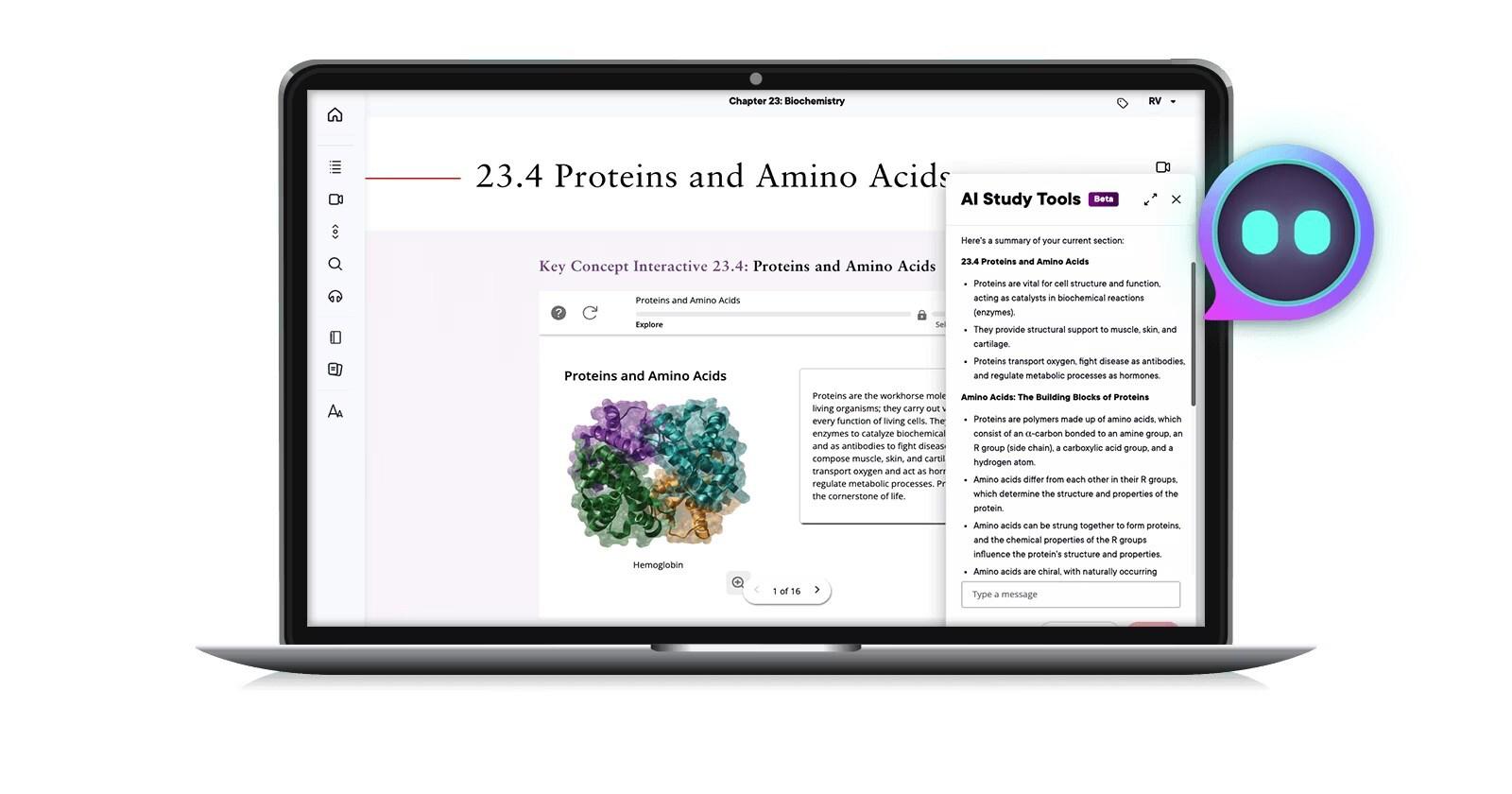
In today’s fast-paced world, mastering the art of studying efficiently is more important than ever. With endless information at our fingertips, the real challenge lies not in access but in focus, retention, and smart time management. Enter artificial intelligence – a quiet revolution reshaping how we learn. From personalized tutoring and intelligent note-taking to distraction blockers and adaptive quizzes, AI tools are transforming study habits and unlocking new levels of productivity. This article explores the best AI-powered resources designed to help students of all ages study more effectively, making every minute count on the path to success.
Table of Contents
- AI Tools That Boost Focus and Time Management
- In-Depth Review of Adaptive Learning Platforms
- Choosing the Right AI Study Assistant for Your Needs
- Q&A
- The Way Forward
AI Tools That Boost Focus and Time Management
Maximizing productivity during study sessions is simpler with the right AI-powered assistants designed to enhance concentration and optimize your schedule. FocusMate uses virtual coworking sessions that keep you accountable, turning procrastination into intent-driven work blocks. Meanwhile, RescueTime meticulously tracks digital habits and generates insightful reports to help you identify distractions and reclaim precious minutes. For those juggling multiple deadlines, Motion serves as an AI scheduling guru, dynamically organizing your tasks and calendar to ensure optimal flow and balance. Incorporate these tools into your routine and watch your study hours become sharper, more focused, and incredibly efficient.
| Tool | Primary Feature | Best For |
|---|---|---|
| FocusMate | Virtual coworking sessions | Boosting accountability |
| RescueTime | Digital habit tracking | Identifying distractions |
| Motion | AI-powered scheduling | Task & time optimization |
In-Depth Review of Adaptive Learning Platforms
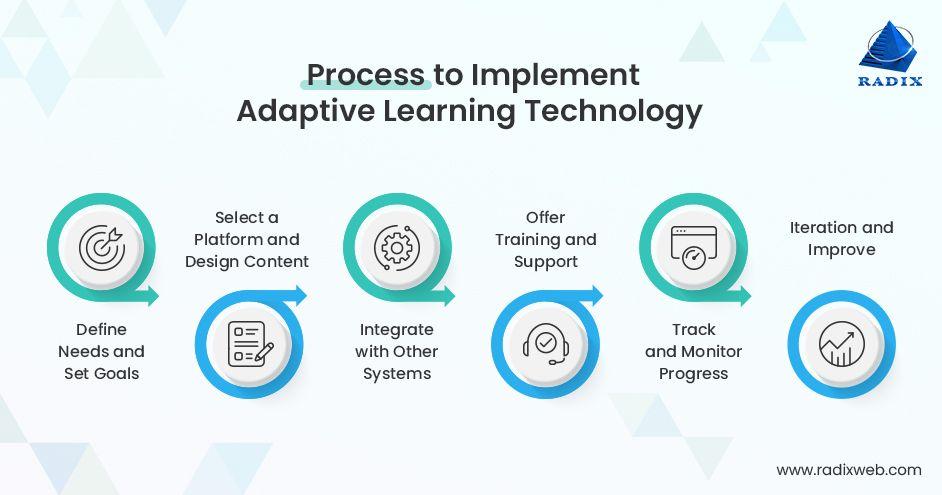
Adaptive learning platforms revolutionize the study experience by tailoring content to each learner’s unique pace and understanding. These intelligent systems continuously analyze performance data to identify strengths and weaknesses, enabling a truly personalized learning journey. Key features include:
- Real-time feedback to immediately address misconceptions and reinforce concepts.
- Dynamic content adjustments that evolve based on learner progression, ensuring optimal challenge levels.
- Engaging multimedia lessons that cater to diverse learning styles for improved retention.
- Performance analytics offering insights into study habits and mastery, empowering users to focus efforts wisely.
| Platform | Adaptive Feature | Best For |
|---|---|---|
| SmartLearn | Personalized quizzes | Test preparation |
| FlexiTutor | Skill leveling | Language learning |
| BrainMap | Real-time feedback | STEM subjects |

Choosing the Right AI Study Assistant for Your Needs
When selecting an AI study assistant, it’s essential to consider your unique learning style and academic goals. Features like adaptive learning algorithms, real-time feedback, and personalized study plans can transform your revision sessions into highly efficient experiences. Additionally, prioritize tools with intuitive interfaces and cross-platform compatibility to ensure seamless integration into your daily routine. Here’s a quick guide to help you narrow down your choices:
- Customization: Does the tool tailor content to your strengths and weaknesses?
- Content Variety: Are multiple subjects and formats (videos, quizzes, flashcards) supported?
- Collaboration: Can you connect with peers or tutors for shared learning?
- Cost vs. Benefit: Is there a free version or trial to evaluate before committing?
- Data Privacy: Does the app ensure your study data is secure and private?
| Feature | Benefit | Ideal For |
|---|---|---|
| Adaptive Quizzing | Focuses on weak areas dynamically | Test preparation |
| Interactive Flashcards | Boosts retention through active recall | Language learners |
| Progress Analytics | Tracks improvement over time | Goal-oriented students |
Q&A
Q: What are AI tools for studying, and how do they help?
A: AI tools for studying are software applications powered by artificial intelligence designed to enhance learning efficiency. They help by personalizing study plans, simplifying complex topics, generating practice questions, and offering real-time feedback, making study sessions smarter and more productive.
Q: Which AI tools are considered the best for studying effectively in 2024?
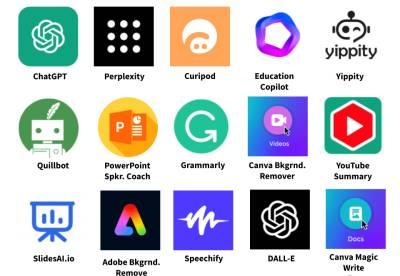
A: Some of the top AI study tools include Notion AI for organizing notes, Quizlet’s AI-powered flashcards, ChatGPT for clarifying concepts and brainstorming, Grammarly for writing improvement, and Wolfram Alpha for solving complex math and science problems.
Q: How does AI personalize the learning experience?
A: AI algorithms analyze your study habits, strengths, and weaknesses to tailor content and recommend resources suited to your individual needs. This personalization makes studying more engaging and targets areas that require improvement.
Q: Can AI tools replace traditional study methods completely?
A: While AI tools significantly enhance studying by adding efficiency and interactivity, they are best used as supplements rather than replacements for traditional methods like reading textbooks, attending classes, and hands-on practice.
Q: Are AI study tools helpful for all subjects?
A: Yes, AI tools cater to a broad range of subjects. For example, Wolfram Alpha excels in math and science, while ChatGPT can assist with humanities and social sciences by explaining concepts and generating essay ideas.
Q: How can students integrate AI tools into their daily study routines?
A: Students can start by using AI tools to organize notes and manage time, ask AI assistants to explain difficult topics, generate quizzes for self-assessment, and refine writing skills. Consistency and blend with traditional study habits yield the best results.
Q: What are the potential drawbacks of relying on AI tools?
A: Overdependence on AI can reduce critical thinking and problem-solving skills if students use tools as shortcuts. Also, data privacy and accuracy of AI-generated content should be considered, as errors may sometimes occur.
Q: Are AI study tools accessible for everyone?
A: Many AI tools offer free versions or trials, making them accessible to a wide audience. However, some advanced features may require subscriptions, and reliable internet access is generally necessary.
Q: What future trends can we expect in AI-powered studying?
A: Future trends include more immersive learning environments through AI-driven virtual tutors, enhanced emotional recognition to adapt study sessions based on mood and focus, and deeper integration across educational platforms for seamless learning experiences.
Q: How should students choose the right AI tool for their needs?
A: Students should consider their learning goals, subject areas, preferred study methods, ease of use, and budget. Trying out multiple tools and reading reviews can help identify which AI solution fits best with their unique style.
The Way Forward
In the ever-evolving landscape of education, harnessing the power of AI tools can transform the way we learn, turning study sessions into dynamic, personalized experiences. Whether it’s organizing notes, managing time, or deepening understanding, these technologies offer a bridge between information and insight. By thoughtfully integrating the best AI tools into your study routine, you not only work smarter but also unlock new potentials within yourself. As you explore these digital companions, remember that the future of effective learning is not just about using AI-it’s about learning with AI.