
In the fast-paced digital landscape, where every pixel counts, optimizing blog images for SEO has become a crucial strategy for standing out in search engine results. As visuals capture attention and elevate content, harnessing the power of AI tools can transform ordinary images into powerful assets that boost website performance. This article explores the best AI tools designed to optimize blog images effectively, blending creativity with technology to enhance loading speed, improve accessibility, and ultimately drive more organic traffic to your site. Whether you’re a seasoned blogger or just starting out, these intelligent solutions offer a smarter way to elevate your visual content for SEO success.
Table of Contents
- Best AI Tools to Enhance Image Quality and Loading Speed for SEO
- Optimizing Alt Text and Image Metadata with Intelligent AI Solutions
- Top AI Platforms for Automating Image Compression and Format Selection
- Q&A
- In Conclusion
Best AI Tools to Enhance Image Quality and Loading Speed for SEO
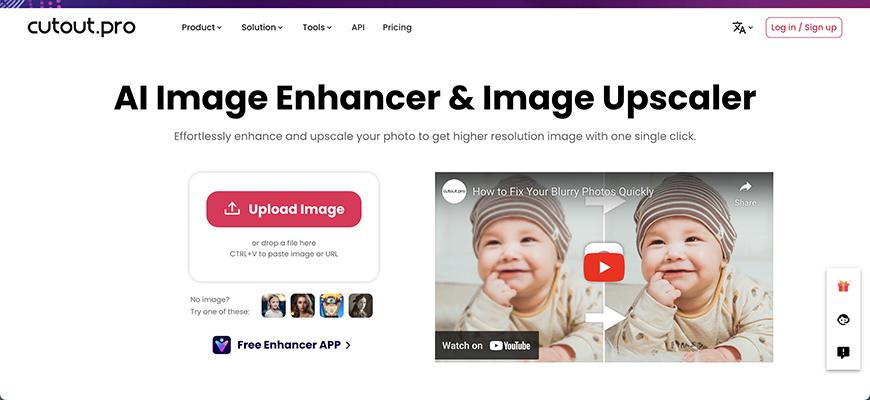
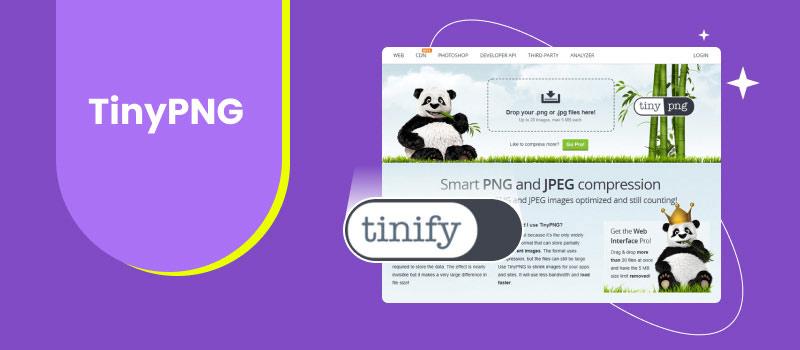
Leveraging AI-driven tools can revolutionize how your blog images perform by significantly boosting quality while trimming down loading times, a crucial factor for SEO rankings. Tools like Let’s Enhance and Deep Image use neural networks to upscale images without losing sharpness, preserving details that captivate visitors. On the loading front, AI-powered compressors such as Smush and TinyPNG intelligently reduce file sizes by removing redundant data yet maintaining visual integrity. Implementing these can result in faster page speeds and better user engagement. Here’s a quick overview of some standout options:
- Let’s Enhance – AI upscale and noise reduction
- Deep Image – Super-resolution upscaling
- Smush – WordPress plugin for lossless compression
- TinyPNG – Smart lossy compression algorithms
- ImageKit – Real-time image optimization and CDN delivery
| Tool | Primary Feature | SEO Benefit |
|---|---|---|
| Let’s Enhance | Image Upscaling | Sharper images, better engagement |
| Smush | Compression Plugin | Faster load times |
| ImageKit | CDN + Optimization | Reduced server load, quick delivery |
Optimizing Alt Text and Image Metadata with Intelligent AI Solutions
Leveraging AI-driven tools to enhance alt text descriptions and image metadata transforms your SEO strategy by ensuring every image on your blog is both accessible and search-friendly. These intelligent solutions analyze the content and context of images to generate precise, contextually relevant alt tags without the guesswork. Additionally, AI can automate metadata creation-embedding keywords, captions, and titles that resonate with search algorithms, boosting image discoverability. Integrating such technology reduces manual effort and errors, while improving page load time and user experience. Key benefits include:
- Dynamic Alt Text Generation: Context-aware descriptions for varied image content
- Optimized Metadata Management: Smart keyword insertion to align with SEO goals
- Consistency Across Content: Uniform style and accuracy for hundreds of images
- Improved Accessibility: Enhanced support for screen readers, contributing to compliance and inclusivity
Top AI Platforms for Automating Image Compression and Format Selection
Harnessing the power of AI for image compression and format selection elevates both loading speed and visual fidelity-crucial factors in SEO success. Leading platforms like Kraken.io, Imagify, and Cloudinary utilize advanced algorithms to automatically analyze your images and apply the optimal compression level without compromising quality. These tools support bulk processing and smart format switching (JPEG, WebP, AVIF) to ensure your visuals are both lightweight and crisp across all devices. Their intuitive interfaces and WordPress compatibility make integrating AI-driven optimization seamless for bloggers and web developers alike.
- Kraken.io: Real-time optimization with lossless and lossy compression.
- Imagify: Adaptive formats and bulk image uploads directly from WordPress dashboard.
- Cloudinary: Dynamic transformations and responsive image delivery.
- ShortPixel: AI-powered compression tailored for SEO-focused images.
- Optimizilla: Customizable quality vs. file size balancing for various formats.
Q&A
Q: Why is optimizing blog images important for SEO?
A: Optimizing blog images enhances page load speed, improves user experience, and helps search engines understand your content better. This boosts your site’s visibility and ranking in search results.
Q: How do AI tools assist in optimizing blog images?
A: AI tools automate tasks like image compression, alt text generation, and resizing without losing quality. They use intelligent algorithms to maintain visual appeal while ensuring technical SEO standards are met.
Q: What are some of the best AI tools to optimize blog images for SEO?
A: Leading options include tools like TinyPNG for smart compression, Canva’s AI features for easy editing and alt text generation, ImageKit for real-time optimization, and Cloudinary for adaptive image delivery.
Q: Can AI generate effective alt text for images?
A: Yes, many AI tools use image recognition to create descriptive and relevant alt text, improving accessibility and SEO by helping search engines understand the image content.
Q: Are AI-optimized images always better than manually optimized ones?
A: While AI tools save time and often deliver excellent results, manual tweaks can add a personal touch and ensure the SEO strategy aligns perfectly with your content goals.
Q: How do AI tools balance image quality and file size?
A: AI-powered optimization algorithms reduce file size by removing unnecessary data and adjusting resolution intelligently, preserving visual quality while speeding up site loading times.
Q: Do AI tools support different image formats?
A: Yes, most top AI optimization tools support a variety of formats like JPEG, PNG, WebP, and SVG, providing flexibility depending on your blogging platform and SEO plans.
Q: Is AI image optimization suitable for all types of blogs?
A: Absolutely. Whether you run a photography-heavy travel blog or a text-centric finance site, AI image optimization can improve overall SEO performance and enhance user engagement.
Q: How easy is it to integrate AI image optimization tools into existing workflows?
A: Many AI tools offer plugins, APIs, or browser extensions that seamlessly integrate with popular content management systems like WordPress, making adoption smooth and efficient.
Q: What should bloggers look for when choosing an AI image optimization tool?
A: Key factors include ease of use, compression quality, alt text capabilities, integration options, support for multiple formats, and pricing that fits your budget.
In Conclusion
As the digital landscape continues to evolve, harnessing the power of AI to optimize your blog images is no longer just a smart move-it’s essential. These cutting-edge tools not only save you time but also unlock new levels of SEO potential, transforming ordinary visuals into powerful assets that drive traffic and engagement. Whether you’re a seasoned blogger or just starting out, integrating AI into your image strategy promises a clearer path to visibility and success. Embrace the future of optimization, and let your images speak volumes in the vast world of search.