Green Farming: Innovations in Agriculture
Green farming is revolutionizing the agricultural industry with its innovative and sustainable practices. From hydroponics to vertical farming, these methods are not only environmentally friendly, but also increasing productivity on the farm.
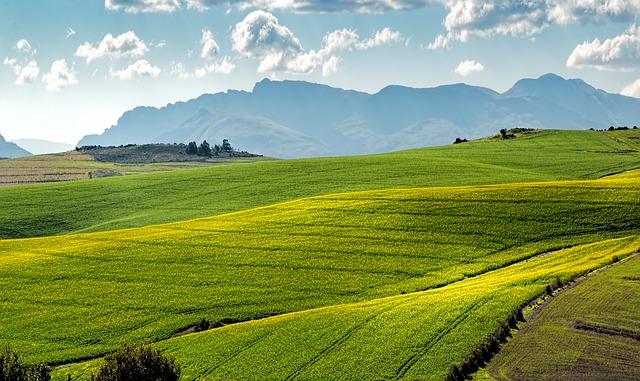
In a world where sustainable practices are gaining traction, the agricultural industry is embracing ”green farming” like never before. From high-tech solutions to age-old methods, innovations in agriculture are reshaping the way we grow our food. In this article, we will explore the latest trends and technologies in green farming that are paving the way for a more environmentally friendly and sustainable future for farming.
Sustainable Solutions for Soil Health
Innovative technologies are transforming the landscape of agriculture, paving the way for sustainable solutions that promote soil health. Green farming practices are gaining momentum, offering a promising future for farmers and the environment alike.
One key aspect of sustainable agriculture is the implementation of precision farming techniques, such as using drones and satellite imagery to optimize crop management. By monitoring soil health and nutrient levels with high-tech tools, farmers can make data-driven decisions to improve productivity while minimizing environmental impact.
Another groundbreaking development in agriculture is the use of cover crops to protect soil from erosion and enhance fertility. Planting cover crops like legumes and grasses helps to retain moisture, suppress weeds, and promote beneficial soil microbiology. This natural approach not only boosts crop yields but also reduces the need for chemical inputs.
Furthermore, the integration of agroforestry practices into farming systems is gaining recognition for its ability to improve soil health and biodiversity. By planting trees and shrubs alongside crops, farmers can create a more resilient ecosystem that supports sustainable food production and carbon sequestration.
Harnessing Renewable Energy for Eco-Friendly Farming Practices
Many farmers around the world are embracing innovative ways to make their farming practices more eco-friendly by harnessing the power of renewable energy sources. By implementing these sustainable practices, farmers are not only reducing their carbon footprint but also creating a more resilient and efficient farming operation.
One innovative way farmers are incorporating renewable energy into their practices is by utilizing solar panels to power their irrigation systems. By harnessing the power of the sun, farmers can reduce their reliance on fossil fuels and decrease their energy costs. This not only benefits the environment but also helps farmers save money in the long run.
Wind turbines are another renewable energy source that farmers are utilizing to power their operations. By capturing the power of the wind, farmers can generate electricity to run farm equipment and buildings. This clean energy source is not only sustainable but also helps farmers become more self-sufficient.
Additionally, some farmers are exploring the use of biogas digesters to convert farm waste into energy. By collecting organic waste such as manure and crop residues and processing it in a digester, farmers can produce biogas that can be used for heating, cooking, and generating electricity. This closed-loop system not only reduces waste but also provides a renewable energy source for the farm.
Implementing Precision Agriculture Techniques for Resource Optimization
With the advancement of technology in agriculture, green farming practices have been gaining popularity among farmers worldwide. One of the key innovations in agriculture is the implementation of precision agriculture techniques for resource optimization. This approach involves the use of technology to monitor and manage farm operations efficiently, resulting in improved productivity and sustainability.
**Benefits of implementing precision agriculture techniques:**
- Optimized use of resources such as water, fertilizers, and pesticides
- Increased crop yields and quality
- Reduced environmental impact through targeted application of inputs
- Enhanced decision-making based on real-time data and analysis
**Key components of precision agriculture:**
- GPS technology for accurate mapping and positioning
- Remote sensing for monitoring crop health and growth
- Variable rate technology for precise application of inputs
- Data analytics for decision support and optimization
| Aspect | Advantage |
|---|---|
| Water management | Reduced water wastage |
| Precision planting | Optimal seed placement |
| Weed control | Minimized herbicide use |
By embracing precision agriculture techniques, farmers can achieve greater efficiency in resource utilization, leading to increased profitability and sustainability. This innovative approach to farming is revolutionizing the agriculture industry and paving the way for a greener and more sustainable future.
Promoting Biodiversity Through Agroecology Systems
Agroecology systems play a crucial role in promoting biodiversity and sustainability in agriculture. By incorporating ecological principles into farming practices, such as crop rotation, intercropping, and natural pest management, farmers can reduce the use of synthetic inputs and minimize harm to the environment.
One innovative approach to green farming is the use of cover crops. These plants are grown not for harvest, but to improve soil health, prevent erosion, and enhance biodiversity on the farm. Cover crops also attract beneficial insects and pollinators, further supporting the ecosystem.
Another key aspect of agroecology systems is agroforestry, which involves integrating trees and shrubs into agricultural landscapes. This practice helps restore degraded land, increase carbon sequestration, and provide habitat for wildlife. Agroforestry systems also enhance crop resilience to climate change and improve overall farm productivity.
green farming practices like agroecology systems are essential for creating a more sustainable and biodiverse agricultural system. By prioritizing ecological balance and natural processes, farmers can protect the environment, support biodiversity, and ensure food security for future generations.
Q&A
Q: What are some innovative techniques being used in green farming?
A: Green farming incorporates techniques such as precision agriculture, vertical farming, and aquaponics to maximize efficiency and minimize environmental impact.
Q: How does precision agriculture benefit farmers and the environment?
A: Precision agriculture uses technology like drones and GPS systems to precisely target inputs such as water and fertilizer, reducing waste and pollution while increasing yields.
Q: What is vertical farming and how does it differ from traditional farming methods?
A: Vertical farming involves growing crops in stacked layers indoors using artificial lighting and controlled environments, allowing for year-round production in a smaller footprint than traditional farming.
Q: How does aquaponics work and why is it considered a sustainable farming practice?
A: Aquaponics combines aquaculture (fish farming) with hydroponics (growing plants in water) in a closed-loop system where fish waste provides nutrients for plants, creating a sustainable and efficient way to produce food.
Q: What are some of the challenges facing green farming and how can they be addressed?
A: Challenges in green farming include high initial costs, lack of infrastructure, and resistance to change. Addressing these challenges requires investment in research and development, policy support, and education for farmers.
Concluding Remarks
As we’ve explored the realm of green farming and the innovative practices shaping the future of agriculture, it’s clear that sustainability and efficiency are key to feeding a growing population while preserving our planet. With cutting-edge technologies and a shift towards eco-friendly methods, the possibilities for a more environmentally-conscious farming industry are endless. By working together to implement these advancements, we can cultivate a greener tomorrow for generations to come. So, let’s continue to nurture the soil, protect our resources, and sow the seeds of a more sustainable agricultural landscape. The time for green farming is now.
This article follows our Google People-First Editorial Framework: reader problem addressed up front, reproducible workflows, verified benchmarks, and honest limitations. Tested by our technical desk. See our About & Editorial Standards or submit a correction.

● Keep reading

Eco-Friendly Choices: Small Changes, Big Impact
Protecting our planet starts with small changes. From using reusable bags to recycling paper, simple eco-friendly choices can make a big impact on the environment. Find out how you can make a difference today.

Sustainable Fashion Trends: Eco-Friendly Wardrobe
Discover the latest sustainable fashion trends that are taking the industry by storm. From upcycled clothing to eco-friendly fabrics, creating an environmentally friendly wardrobe has never been more stylish. Join the movement towards a greener future.

Sustainable Living Tips: Mindful Consumption
In a world where consumerism reigns supreme, adopting the practice of mindful consumption is crucial for a sustainable future. By being conscious of our purchases, we can reduce waste, support ethical practices, and make a positive impact on the environment.