Neuroscience of Creativity: Unlocking the Secrets of Innovative Minds
Have you ever wondered what separates the ordinary from the extraordinary? Dive into the fascinating realm of the neuroscience of creativity, where scientists strive to unravel the enigma behind innovative minds. Uncover the secrets hidden within the brain's intricate web, shedding light on the magic of how we imagine, invent, and revolutionize our world. Buckle up for a mind-bending journey that will challenge your perceptions of human potential.
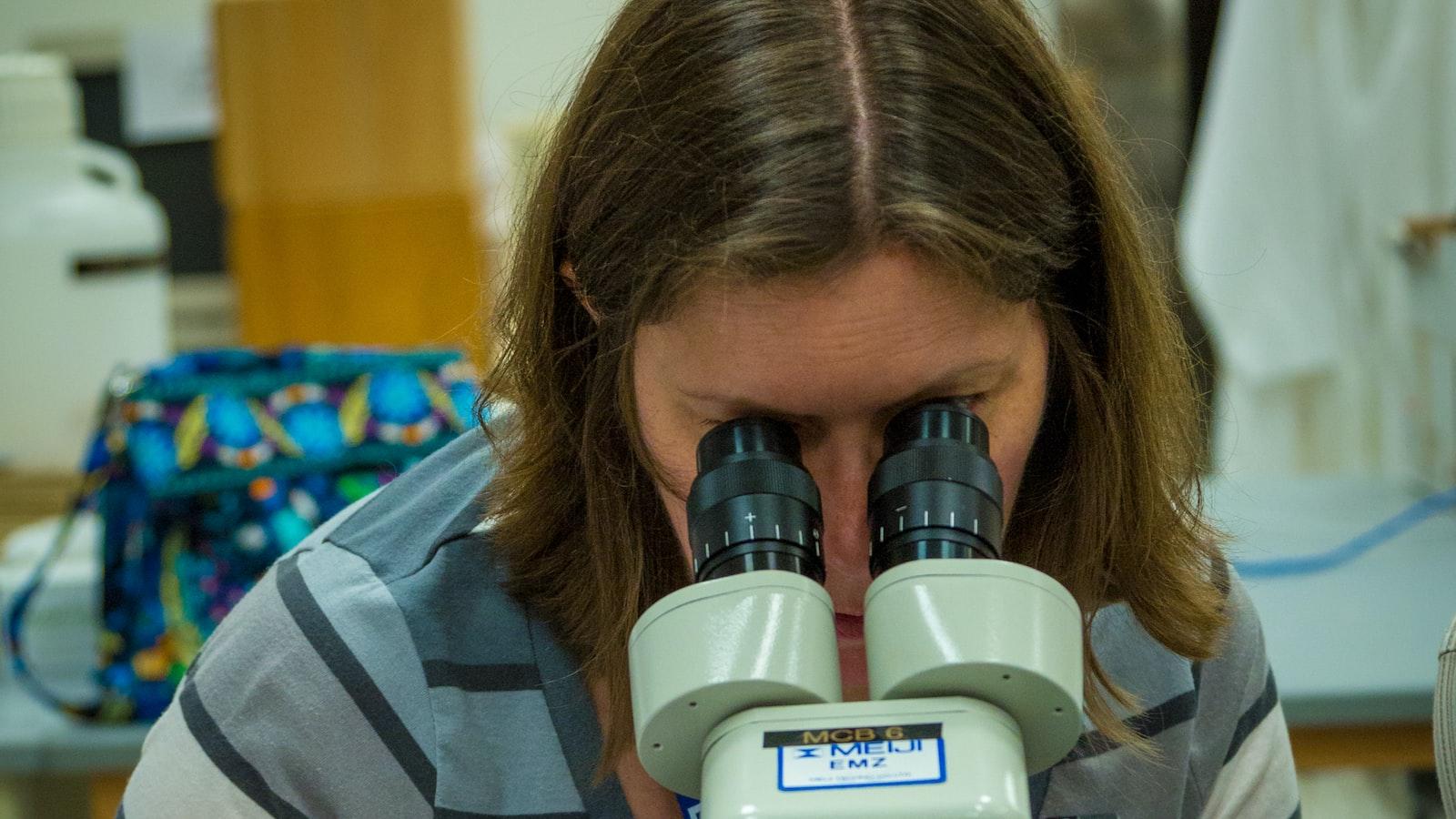
Imagine a world where the limits of ingenuity cease to exist, where innovative minds effortlessly paint the canvas of imaginative possibility. Welcome to the intersection of science and creativity, where the hidden secrets of innovative minds are unraveled through the captivating realm of neuroscience. Prepare yourself to embark on a remarkable journey, delving deep into the recesses of the human brain, as we uncover the enigmatic enigma known as the neuroscience of creativity. From the symphony of synapses to the dance of dopamine, come unravel the mysteries that breathe life into our wildest ideas. Ladies and gentlemen, it is time to unleash the dormant forces within and unlock the extraordinary within the ordinary.
Table of Contents
- Exploring the Brain’s Creative Circuitry
- Understanding the Role of Neurotransmitters in Fostering Creativity
- Unleashing Creativity: Strategies to Enhance Cognitive Flexibility
- The Surprising Connection Between Mindfulness and Innovation
- Q&A
- To Conclude
Exploring the Brain’s Creative Circuitry
Understanding the Inner Workings of the Creative Mind
Delving into the mysterious realm of creativity, researchers are uncovering the intricate circuitry of the brain that plays a fundamental role in human innovation. An amalgamation of scientific disciplines, the neuroscience of creativity merges psychology, biology, and neuroscience to demystify how novel ideas are born.
Neuroscientists have identified various brain regions crucial to the creative process. One key player is the prefrontal cortex, which houses our ability to think divergently and form new connections between disparate concepts. By forging novel neural pathways, this region allows us to think outside the box and generate innovative solutions to problems.
Additionally, the default mode network (DMN) reveals its importance in fostering creativity. This network encompasses several brain areas that activate during times of rest and introspection, such as daydreaming or simply letting the mind wander. It is during these seemingly idle moments that the brain effortlessly forms associations and combines previously unrelated information, leading to those “eureka” moments.
Furthermore, the role of neurotransmitters in creativity cannot be overlooked. Dopamine, often dubbed the ”pleasure chemical,” has been found to play a crucial role in motivation and reward. This neurotransmitter fuels the brain’s creative fire, enhancing our drive to explore new territory and encouraging us to take risks in our creative endeavors.
Understanding the Role of Neurotransmitters in Fostering Creativity
Have you ever wondered what makes some people more creative than others? How do they come up with groundbreaking ideas and innovative solutions? The answer lies in the fascinating world of neurotransmitters and how they play a crucial role in fostering creativity.
Neurotransmitters are chemical messengers that transmit signals between nerve cells in our brain. They are responsible for regulating various functions in our body, including our mood, memory, and cognitive processes. When it comes to creativity, certain neurotransmitters take the spotlight.
1. Dopamine: Known as the “feel-good” neurotransmitter, dopamine plays a key role in motivation and reward. Studies have shown that increased dopamine levels can enhance creativity by boosting our ability to seek out new experiences, take risks, and think outside the box.
2. Serotonin: Often associated with mood regulation, serotonin also contributes to creativity. It promotes a sense of calmness and focus, allowing our mind to wander and make connections between seemingly unrelated concepts, leading to unique ideas.
3. Glutamate: As one of the most abundant neurotransmitters in the brain, glutamate is essential for cognitive functions. It helps facilitate communication between neurons and is involved in learning and memory. By enhancing the efficiency of neural networks, glutamate promotes the formation of novel connections, giving rise to creative thinking.
4. GABA: While glutamate excites the brain, GABA acts as its tranquilizer. It inhibits excessive neuronal activity, creating a balance in brain function. This balance is crucial for creativity as it allows ideas to flow freely without the interference of distracting or repetitive thoughts.
In summary, the intricate interplay of neurotransmitters in our brain is what fuels our creative abilities. Dopamine provides the motivation and drive, serotonin facilitates focus and inspiration, glutamate enhances neural connectivity, and GABA brings about a state of calmness conducive to unfettered creativity. To unlock the secrets of innovative minds, we must explore the fascinating world of neurotransmitters and understand their profound influence on our creative potential.
Unleashing Creativity: Strategies to Enhance Cognitive Flexibility
In the realm of human cognition, the concept of creativity has long captivated the minds of scientists, philosophers, and artists alike. Our innate ability to generate original ideas and adapt our thinking to different situations is a mysterious wonder. Today, we dive deep into the intriguing world of cognitive flexibility and explore strategies to unleash creativity like never before.
A growing body of research in neuroscience is shedding light on the brain processes underlying creativity. By examining the neural connections and activities in highly innovative individuals, scientists have unraveled some of the secrets of their unique minds. These creative geniuses demonstrate enhanced cognitive flexibility – the capacity to switch between different perspectives, grasp complex concepts, and think divergently.
To enhance our own cognitive flexibility and unlock our creative potential, several strategies can be employed:
- Embracing ambiguity: Becoming comfortable with uncertainty and open to multiple interpretations fosters a flexible mindset. Embrace the gray areas, challenge assumptions, and explore unconventional possibilities.
- Seeking diverse experiences: Broadening your horizons, engaging in new activities or hobbies, and connecting with people from different backgrounds can significantly enhance cognitive flexibility. Expose yourself to diverse perspectives and ideas.
- Practicing mental agility: Engage in activities that challenge your thinking patterns. Solve puzzles, play strategic games, or try meditation techniques that promote mindfulness and focus. These exercises strengthen neural networks associated with cognitive flexibility.
- Cultivating a growth mindset: Believe in your capacity to grow and develop your creative abilities. Embrace failure as a learning opportunity and maintain a resilient attitude. Nurture your curiosity, and never stop exploring.
As we delve deeper into the neuroscience of creativity, we realize that the ability to tap into our cognitive flexibility is not exclusive to a select group of individuals. With mindfulness, practice, and a willingness to challenge ourselves, we can all unlock the secrets of our innovative minds and unleash the full force of our creative potential.
The Surprising Connection Between Mindfulness and Innovation
Recent studies in the field of neuroscience have unveiled a fascinating connection between mindfulness and innovation. It turns out that practicing mindfulness can actually enhance our creative thinking abilities, ultimately unlocking the secrets of innovative minds. This unexpected relationship offers a valuable insight into how we can tap into our own creative potential and foster innovation in various aspects of our lives.
When we engage in mindfulness, we train our minds to focus on the present moment, without judgment or attachment. This practice allows us to cultivate an open and receptive mindset, which is vital for promoting innovation. By clearing away mental clutter and distractions, we create a space for new ideas to emerge and flourish. Moreover, mindfulness helps to improve our attentional capacity, enabling us to fully immerse ourselves in the creative process.
Furthermore, research has shown that mindfulness can enhance the brain’s divergent thinking, which is essential for generating novel and unconventional ideas. By embracing mindfulness techniques such as meditation and deep breathing exercises, we activate the prefrontal cortex, the region responsible for executive functioning and cognitive flexibility. This enhanced cognitive flexibility allows us to approach problems from different perspectives, leading to unique and innovative solutions.
By integrating mindfulness into our daily lives, we not only experience increased creativity but also enjoy numerous other benefits. Mindfulness has been found to reduce stress levels, enhance emotional resilience, and improve overall well-being. This, in turn, creates a conducive environment for innovation, as we are more relaxed, focused, and open-minded. As we continue to uncover the mysteries of innovative minds, it becomes increasingly clear that mindfulness is a powerful tool that can unlock our creative potentials and pave the way for groundbreaking ideas and advancements.
Q&A
Q: What exactly is the neuroscience of creativity?
A: The neuroscience of creativity explores the inner workings of the brain to understand how individuals come up with original and innovative ideas. It aims to uncover the secrets behind the creative minds that have shaped our world.
Q: Why is understanding the neuroscience of creativity important?
A: Understanding the neuroscience of creativity allows us to gain insights into the cognitive processes behind creative thinking. By unraveling the mysteries of the brain, we can potentially enhance our own creative capabilities and foster an environment where innovation flourishes.
Q: What happens in the brain when someone has a creative idea?
A: When someone has a creative idea, various regions in the brain work together. The prefrontal cortex plays a crucial role in generating novel ideas, while the limbic system, responsible for emotions, and the basal ganglia, involved in rewarding behavior, can also influence creative thinking.
Q: Can creativity be learned or developed?
A: Absolutely! While some individuals may possess an inherent predisposition for creativity, research has shown that creativity can be nurtured and developed. Engaging in activities that challenge established patterns of thinking, such as brainstorming or engaging in artistic endeavors, can significantly enhance one’s creative abilities.
Q: Are there any techniques that can enhance creative thinking?
A: Yes, there are various techniques that have been shown to boost creative thinking. For instance, divergent thinking exercises, where you generate multiple possible solutions to a problem, can expand your creative potential. Additionally, adopting a growth mindset, being open to diverse perspectives, and practicing mindfulness can also facilitate the creative process.
Q: How does the brain’s neuroplasticity contribute to creativity?
A: Neuroplasticity, the brain’s ability to reorganize and form new neural connections, plays a vital role in creativity. It allows the brain to adapt and change, facilitating the formation of new ideas and connections. By continuously challenging our minds and exploring unfamiliar territories, we can harness the power of neuroplasticity to foster creativity.
Q: Are there any factors that inhibit creativity?
A: Yes, several factors can hinder creativity. Stress, fear of failure, and excessive self-criticism can stifle creative thinking. Additionally, being in a rigid or unsupportive environment can discourage originality. It is important to create a nurturing and conducive space that allows creativity to thrive.
Q: Can neuroscience contribute to fostering creativity in various fields?
A: Absolutely! Incorporating neuroscience findings into different fields, such as education, business, and the arts, can inspire innovative approaches. By understanding the neural mechanisms behind creativity, we can develop tailored strategies to encourage creativity in our schools, workplaces, and daily lives.
Q: Are there any ethical implications regarding the neuroscience of creativity?
A: Exploring the neuroscience of creativity raises ethical considerations. As we gain a deeper understanding of the brain, it becomes crucial to ensure that this knowledge is used ethically. Respecting individual creativity, promoting diversity, and avoiding any potential abuses are essential aspects to consider when applying neuroscience findings.
Q: How might understanding the neuroscience of creativity impact society in the future?
A: Understanding the neuroscience of creativity can revolutionize society by fostering a culture that values and encourages innovation. It could lead to creative problem-solving techniques, groundbreaking scientific advancements, and novel artistic expressions. Ultimately, unleashing the secrets of creative minds has the potential to positively transform various aspects of our lives.
To Conclude
In the grand tapestry of human existence, the boundless depths of the creative mind never cease to amaze. As we delved into the realm of neuroscience, the secrets of innovative minds began to unravel, illuminating the enigmatic pathways that lead to groundbreaking discoveries and breathtaking works of art. There is a magical symphony playing within our brains, an orchestra of neurons that dance and weave the threads of creativity, endlessly seeking to unlock the mysteries that lie beyond borders and push the boundaries of human potential.
Through the lens of science, we have come to understand that creativity is not merely a product of chance or divine intervention, but a rhythmic interplay of complex cognitive processes. The neuroscientists have revealed that our brains possess an extraordinary ability to blend old ideas and experiences, forging novel connections and cultivating the fertile ground from which innovation blossoms.
In the intricate dance of brain networks, the frontal cortex takes center stage, orchestrating cognitive control and flexible thinking. It is here that ideas are born, nurtured, and refined, under the watchful eye of executive functions. Across the synaptic highways that traverse our minds, neurotransmitters like dopamine and norepinephrine surge, fostering the crucial intertwining of emotion and creative thinking.
As we dive deeper into the realm of creativity, another protagonist emerges: the default mode network (DMN). This network, active during daydreaming and mind-wandering, provides a sanctuary for our thoughts to roam freely. It is in these moments of idleness, seemingly unproductive, that the seeds of genius are sown, as connections are fostered between distant neural territories.
But the mastery of creativity is not confined solely to the brain itself. The environment we immerse ourselves in, and the experiences we engage with, play an undeniable role. It is in the crucible of diverse cultures, immersive learning, and interdisciplinary connections that the sparks of innovation ignite, fueling the imagination and giving rise to groundbreaking solutions.
Yet, the neuroscience of creativity, with all its wonders, continues to beckon us towards further exploration. Questions remain unanswered, and the depths of the creative mind are far from fully charted. With every new discovery, we inch closer to unraveling the enigmatic secrets that lie within innovative souls.
So, let us embrace the creative minds that have graced our world with their unfathomable brilliance. Let us nurture the fertile ground from which ideas are born, for the future lies not in limitation, but in the endless exploration of the mysterious landscapes that grace our minds. Together, armed with the knowledge and understanding bestowed upon us by neuroscience, we shall continue to unlock the secrets of innovative minds and paint the world with the vibrant hues of creativity.
This article follows our Google People-First Editorial Framework: reader problem addressed up front, reproducible workflows, verified benchmarks, and honest limitations. Tested by our technical desk. About & Editorial Standards · Submit a correction

● Keep reading
Use AI to Create a Digital Vision Board
Unlock your dreams with AI-powered digital vision boards. Merge creativity and technology to visualize goals vividly, stay inspired, and turn aspirations into actionable plans-all at the click of a button.

AI Tools to Brainstorm Unique Brand Names
Unlocking creativity, AI tools transform brand naming into an inspired journey. By blending language patterns and market trends, they craft unique, memorable names that resonate-making brand identity both art and science.

How to Use AI to Brainstorm Business Names
Unlock creativity with AI when brainstorming business names! Start by inputting keywords related to your brand, target audience, and values. Experiment with different algorithms and styles to generate a variety of unique options. Let inspiration flow!