

In the fast-paced world of academia, the race to produce high-quality research papers often collides with tight deadlines and endless revisions. Yet, amidst this pressure, a powerful ally has emerged: Artificial Intelligence. Far from the realm of science fiction, AI tools are reshaping how scholars gather data, draft content, and refine arguments – transforming the arduous process of writing into a more efficient, focused journey. This article explores practical strategies for harnessing AI to accelerate your research paper writing, not by replacing critical thinking, but by amplifying it. Whether you’re a seasoned researcher or a student navigating your first major project, discovering how to collaborate with AI might just be the breakthrough you need to write smarter and faster.
Table of Contents
- Harnessing AI for Efficient Research Topic Exploration
- Leveraging AI Tools to Streamline Data Analysis and Literature Review
- Crafting and Editing Papers Faster with AI-Powered Writing Assistants
- Q&A
- In Retrospect
Harnessing AI for Efficient Research Topic Exploration
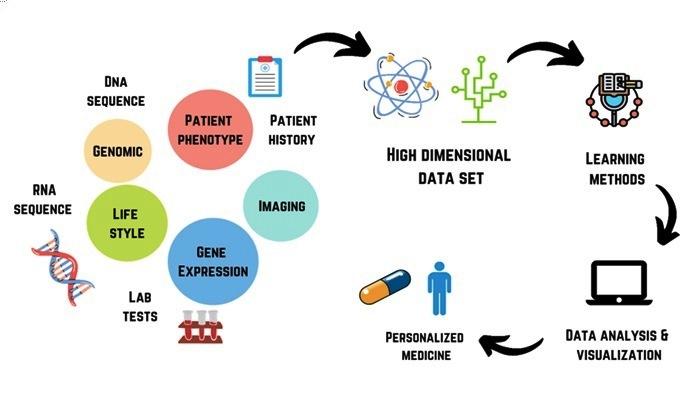
Artificial intelligence serves as a powerful ally in navigating the complexities of research topics, enabling a more streamlined exploration process. By utilizing AI-powered tools, researchers can:
- Generate diverse topic ideas: AI algorithms analyze vast data sources, sparking innovative angles you might not have considered.
- Summarize vast literature: Instead of wading through countless papers, AI condenses key insights, highlighting trends and gaps.
- Predict emerging fields: Advanced models identify patterns and growth areas in academia, guiding your focus toward cutting-edge subjects.
- Customize topic refinement: Interactive AI systems let you tweak parameters, fine-tuning your research scope to match your interests and objectives.
| Feature | Benefit | Example Tool |
|---|---|---|
| AI Topic Generator | Expands horizons with creative suggestions | ResearchRabbit |
| Smart Literature Summarizer | Saves time by extracting core ideas | Scholarcy |
| Trend Analysis Bots | Identifies high-potential emerging areas | Connected Papers |
Leveraging AI Tools to Streamline Data Analysis and Literature Review
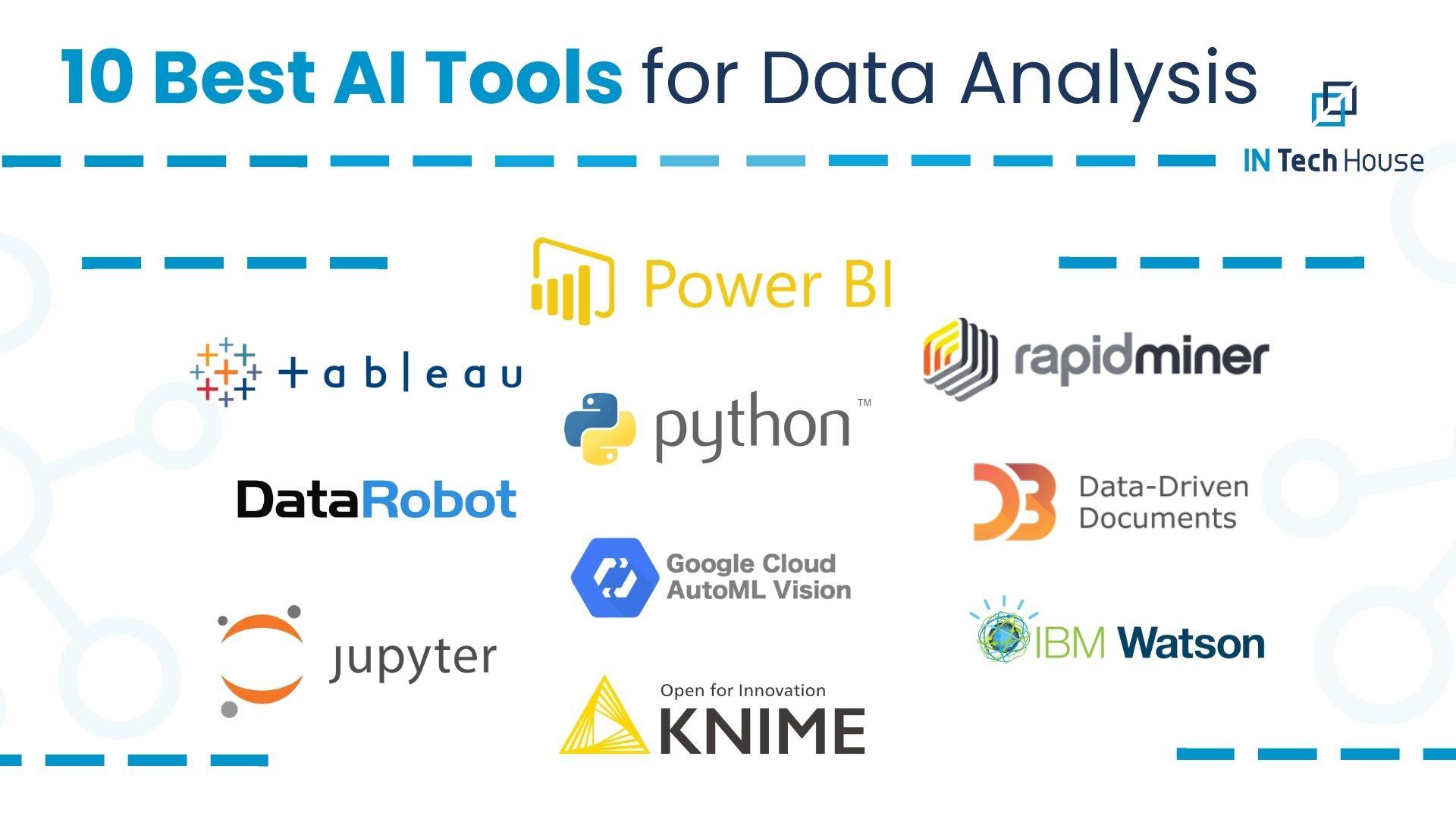
Integrating AI tools into your research workflow can revolutionize how you handle complex datasets and navigate the vast sea of academic literature. By harnessing powerful machine learning algorithms and natural language processing, researchers can quickly extract key insights, identify trends, and summarize vast amounts of text with unmatched speed and accuracy. Some essential AI-powered features include:
- Automated data cleaning that prepares datasets for analysis without hours of manual work.
- Smart note-taking and summarization which distills hundreds of papers into concise, relevant points.
- Contextual search engines that understand your query’s intent to fetch the most relevant studies.
Consider this brief comparison of traditional vs. AI-enhanced review methods:
| Aspect | Traditional | AI-Enhanced |
|---|---|---|
| Time Investment | Days to weeks | Hours to minutes |
| Data Volume | Limited by manual capacity | Thousands of documents simultaneously |
| Error Rate | Prone to oversight | Consistent accuracy, with ongoing improvements |
By blending human expertise with AI efficiency, your literature review and data analysis become not only faster but also deeper and more insightful, freeing up valuable time to focus on innovative research contributions.

Crafting and Editing Papers Faster with AI-Powered Writing Assistants
Leveraging AI-powered writing assistants transforms the tedious process of drafting and revising papers into a seamless, efficient experience. These tools help by:
- Generating coherent drafts based on key points, saving time on initial writing.
- Suggesting real-time edits to enhance clarity, grammar, and flow.
- Offering contextual vocabulary enhancements tailored to academic writing, heightening professionalism.
- Streamlining references and citations, ensuring adherence to style guides without manual effort.
By integrating AI into your workflow, you reduce repetitive tasks and focus on refining your ideas, significantly speeding up the completion of research papers.
Q&A
Q&A: How to Use AI to Write Faster Research Papers
Q1: What role can AI play in writing research papers?
A1: AI acts as a dynamic assistant that can streamline various stages of research paper writing-from brainstorming ideas and conducting literature reviews to drafting and editing text-ultimately saving time and enhancing productivity.
Q2: How can AI help generate ideas or research questions?
A2: By analyzing vast amounts of existing literature and identifying gaps or emerging trends, AI tools can suggest novel angles or intriguing research questions, providing a creative starting point that aligns with current scholarship.
Q3: Can AI assist with gathering sources and organizing references?
A3: Absolutely. AI-powered tools can scan databases, pull relevant citations, and even format bibliographies in styles like APA or MLA, reducing the manual effort involved in literature collection and citation management.
Q4: How does AI improve the drafting process of a research paper?
A4: AI can provide writing prompts, generate coherent text drafts based on outlines, and offer real-time suggestions to improve clarity, coherence, and academic tone-helping authors to overcome writer’s block and speed up writing.
Q5: Is the content generated by AI reliable and accurate?
A5: While AI can produce well-structured and grammatically correct text, researchers should always verify facts, data, and citations, as AI may occasionally introduce inaccuracies or misunderstand nuanced arguments.
Q6: How can AI aid in editing and proofreading?
A6: AI editors can detect grammatical errors, suggest style improvements, enhance sentence flow, and ensure consistency throughout the paper, serving as an efficient second pair of eyes before submission.
Q7: Are there ethical considerations when using AI for academic writing?
A7: Yes. Transparency about AI usage is crucial, and researchers must avoid plagiarism or over-reliance on AI-generated text. Ethical use involves using AI as a supportive tool rather than a substitute for original thought.
Q8: What are some recommended AI tools for research paper writing?
A8: Tools like Grammarly for proofreading, Zotero or Mendeley for reference management, and AI platforms like ChatGPT or specialized academic writing assistants can collectively enhance speed and efficiency.
Q9: Can AI replace human creativity and critical thinking in research?
A9: No. While AI accelerates routine and analytical tasks, human insight, critical evaluation, and creativity remain central to producing thoughtful, impactful research.
Q10: What’s the best way to integrate AI into my research workflow?
A10: Use AI incrementally-start with brainstorming or bibliography management, then experiment with drafting and editing, always maintaining a critical eye and refining AI-generated content to reflect your unique scholarly voice.
In Retrospect
In the ever-evolving landscape of academic writing, AI emerges not as a replacement for human insight but as a powerful ally in the quest for knowledge. By embracing these intelligent tools, researchers can navigate the complexities of literature, data analysis, and drafting with greater speed and precision. As you integrate AI into your workflow, remember that the true strength lies in the partnership between your critical thinking and the technology’s efficiency. Together, they unlock new possibilities-making the journey of writing research papers not only faster but richer and more insightful.